

Introduction to Pesto Parmesan Sourdough
When you sink your teeth into a slice of Pesto Parmesan Sourdough, you’re not just enjoying bread; you’re embarking on a culinary adventure that delights all your senses. This bread marries the art of traditional sourdough with the vibrant, herby notes of pesto and the rich, savory flavor of Parmesan cheese. Each bite is a harmonious blend of tangy and nutty flavors, making it a unique companion for everything from soups and salads to gourmet sandwiches.
So, why consider baking Pesto Parmesan Sourdough? First off, sourdough bread has a cult following among food enthusiasts for its complex flavor and chewiness. The addition of pesto—a sauce that packs a punch with fresh basil, garlic, and nuts—adds depth to the tangy notes of the sourdough. Plus, Parmesan cheese melts beautifully into the dough, lending a rich umami character without overpowering the other flavors.
Why Pesto Parmesan Sourdough is a Game Changer
What sets Pesto Parmesan Sourdough apart from conventional bread? For starters, the pesto-infused dough adds an excitement that many typical bread recipes lack. Whether you’re hosting friends for brunch or simply treating yourself, this bread elevates any meal. If you’ve ever wondered how to impress your dinner guests with your baking skills, this recipe is your answer.
-
Creative Uses: Beyond just slathering on butter, consider turning slices of this bread into delightful bruschetta, serving it alongside antipasto platters, or using it for the ultimate grilled cheese.
-
Nutritional Benefits: The fermentation process in sourdough makes it easier to digest compared to regular bread. Adding pesto, full of fresh herbs and nuts, enhances its nutritional value and flavor.
-
Connection to Tradition: Baking Pesto Parmesan Sourdough is not just making bread; it’s about connecting with a centuries-old tradition. As you knead the dough and let it rise, you’re participating in a ritual that has brought people together across cultures and generations.
In crafting this unique bread, not only do you create something delicious but also nourish yourself and those you love with wholesome ingredients. The story behind sourdough, combined with the indulgent taste of pesto and cheese, makes this recipe a true game changer in your kitchen.
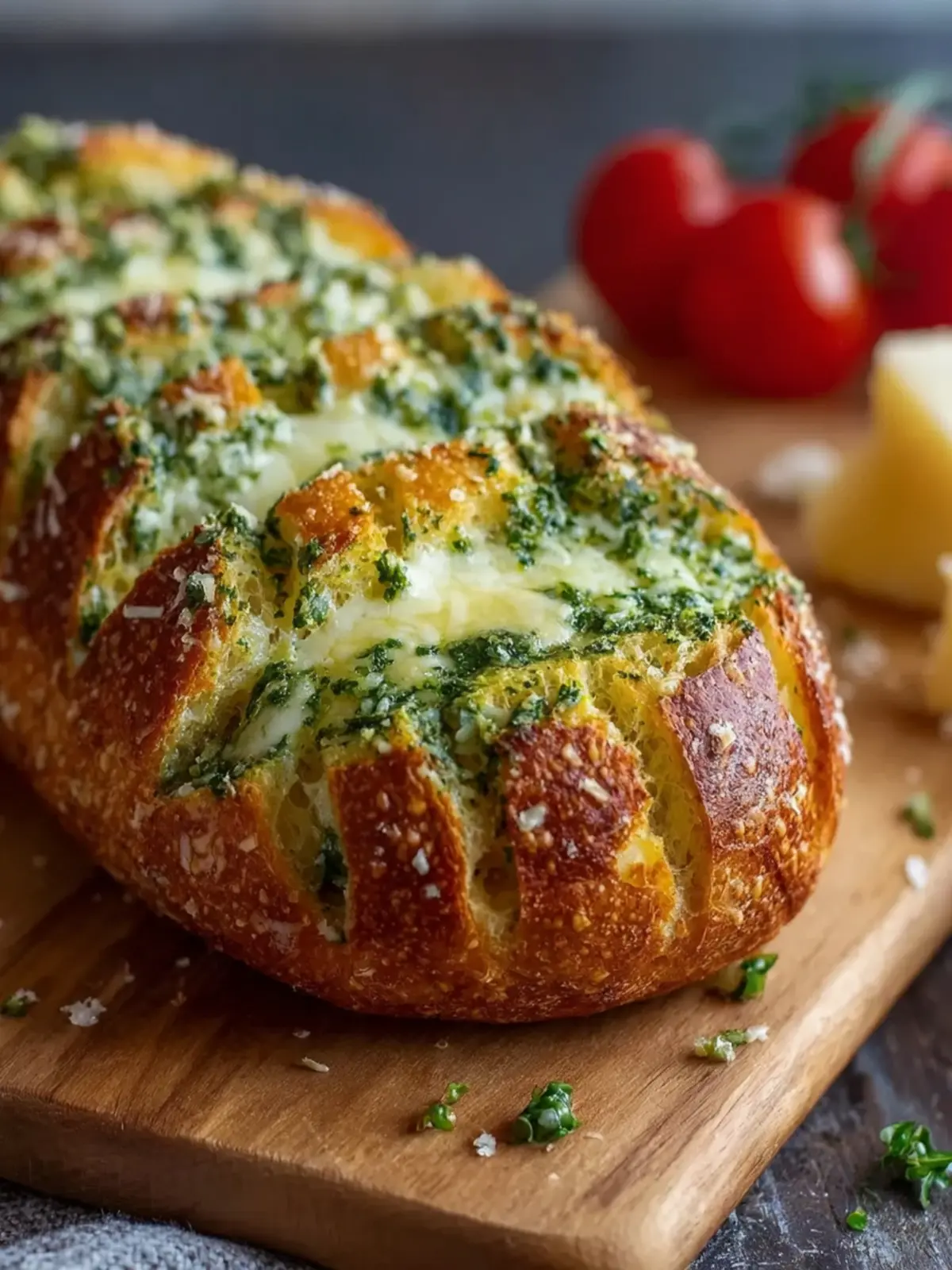
Key Ingredients for Pesto Parmesan Sourdough
Creating the perfect Pesto Parmesan Sourdough revolves around a few key ingredients that each play an integral role in producing a flavorful and textured loaf.
Bread Flour: This is the backbone of your sourdough. I love using high-quality bread flour to achieve the perfect rise and structure in my loaves. It contributes to that delightful chewiness we all crave in a good sourdough.
Active Sourdough Starter: Think of this as a living ingredient that gives your bread its depth of flavor and wonderful texture. I always ensure mine is bubbly and active for the best results. It’s like a friendly little yeast factory working overtime!
Water: Hydration is key! Using filtered water helps ensure a clean taste that lets the other flavors shine through. It’s important to avoid any funky aftertastes that can come from tap water.
Salt: Essential for flavor enhancement, salt also strengthens the dough’s gluten structure. A simple ingredient that does wonders!
Basil Pesto: This adds a delightful burst of flavor! Whether you opt for store-bought or homemade, pesto elevates the sourdough to a whole new level, making every bite memorable.
Grated Parmesan Cheese: This ingredient gives your bread that rich, nutty essence that pairs beautifully with pesto, creating a delicious symphony of flavors.
Why You’ll Love This Recipe
The Unique Flavor Profile
With its pesto parmesan sourdough, this recipe brings together aromatic basil, nutty Parmesan, and tangy sourdough flavors in a truly delightful way. Imagine tearing into a warm slice, where the fresh taste of pesto dances with the irresistible depth of aged cheese. This combination isn’t just delicious; it elevates your everyday bread into something extraordinary. Perfect for enjoyment as a standalone snack or the ideal accompaniment to your favorite dishes, this sourdough will captivate your taste buds.
Versatile Serving Options
One of the amazing things about pesto parmesan sourdough is its versatility. Whether you pair this bread with a light salad, use it for gourmet sandwiches, or serve it as a side to pasta, its delicious flavor fits the occasion perfectly. You can even toast it to add an extra crunch while enhancing the flavors—perfect for a quick breakfast or an elegant appetizer at gatherings. The options are virtually endless, inviting creativity in your meals.
Simple Steps for Homemade Bread
Don’t let the thought of homemade bread intimidate you! The process is straightforward and rewarding. With just a few ingredients and steps, you’ll find yourself creating a delicious loaf that impresses everyone. You can take pride in the fact that you made it from scratch, filling your home with that warm, inviting aroma of freshly baked bread. Plus, there’s something incredibly satisfying about watching it rise beautifully in the oven.

Cooking Tips and Notes for Pesto Parmesan Sourdough
Creating the perfect Pesto Parmesan Sourdough is like crafting a work of art—each ingredient contributes to a masterpiece of flavor and texture. Here are some helpful tips to ensure your baking experience is both enjoyable and successful.
Essentials for Success
- Quality Ingredients: Use fresh basil for the pesto and aged Parmesan for a richer taste. High-quality olive oil also enhances flavor significantly.
- Sourdough Starter: Make sure your sourdough starter is bubbly and active before starting your dough. A vigorous starter will yield better rise and flavor.
- Kneading and Folding: Pay attention to the kneading and folding technique. A well-developed gluten structure helps achieve that beautiful chewy texture characteristic of sourdough.
Common Mistakes to Avoid
- Over-proofing: Keep an eye on your dough during the second rise. Over-proofed dough can collapse, leading to dense bread.
- Ignoring Temperature: Ambient temperature affects dough fermentation. If it’s too cold, it can take longer to rise; if too hot, it may rise too quickly.
- Not Scoring Properly: Scoring your dough before baking allows for controlled expansion. Make sure to use a sharp blade for the cleanest cuts.
Storage Advice
To keep your Pesto Parmesan Sourdough fresh, wrap it in a clean kitchen towel and place it in a paper bag. For longer storage, consider freezing slices. Simply wrap them in plastic wrap and seal in a zip-top bag; they’ll stay good for up to three months. Enjoy your delicious creation in various ways, from toasting for breakfast to using it as a hearty sandwich base!
Serving Suggestions for Pesto Parmesan Sourdough
When making pesto parmesan sourdough, the deliciously tangy flavor and rich aroma create an inviting atmosphere that can elevate any meal. Sharing this bread fresh out of the oven can turn an average day into a delightful experience for friends and family alike.
Perfect Pairings
To make the most of your pesto parmesan sourdough, consider pairing it with:
- Olive oil and balsamic vinegar: A simple dip brings out the bread’s flavor.
- Charcuterie board: Slice it thin and combine with meats, cheeses, and fruits.
- Hearty soups: The bread’s texture complements tomato, minestrone, or butternut squash soups wonderfully.
Creative Serving Ideas
Presentation is key! Try these unique serving suggestions:
- Sandwiches: Create gourmet sandwiches filled with fresh meats, vegetables, or even roasted red peppers and mozzarella.
- Bruschetta: Toast slices and top with diced tomatoes, fresh basil, and a drizzle of olive oil for an easy appetizer.
- Grilled Cheese: Use pesto parmesan sourdough as the base for an indulgent grilled cheese, adding a layer of pesto for extra flavor.
Enjoying this bread can be as simple or as elaborate as you want!
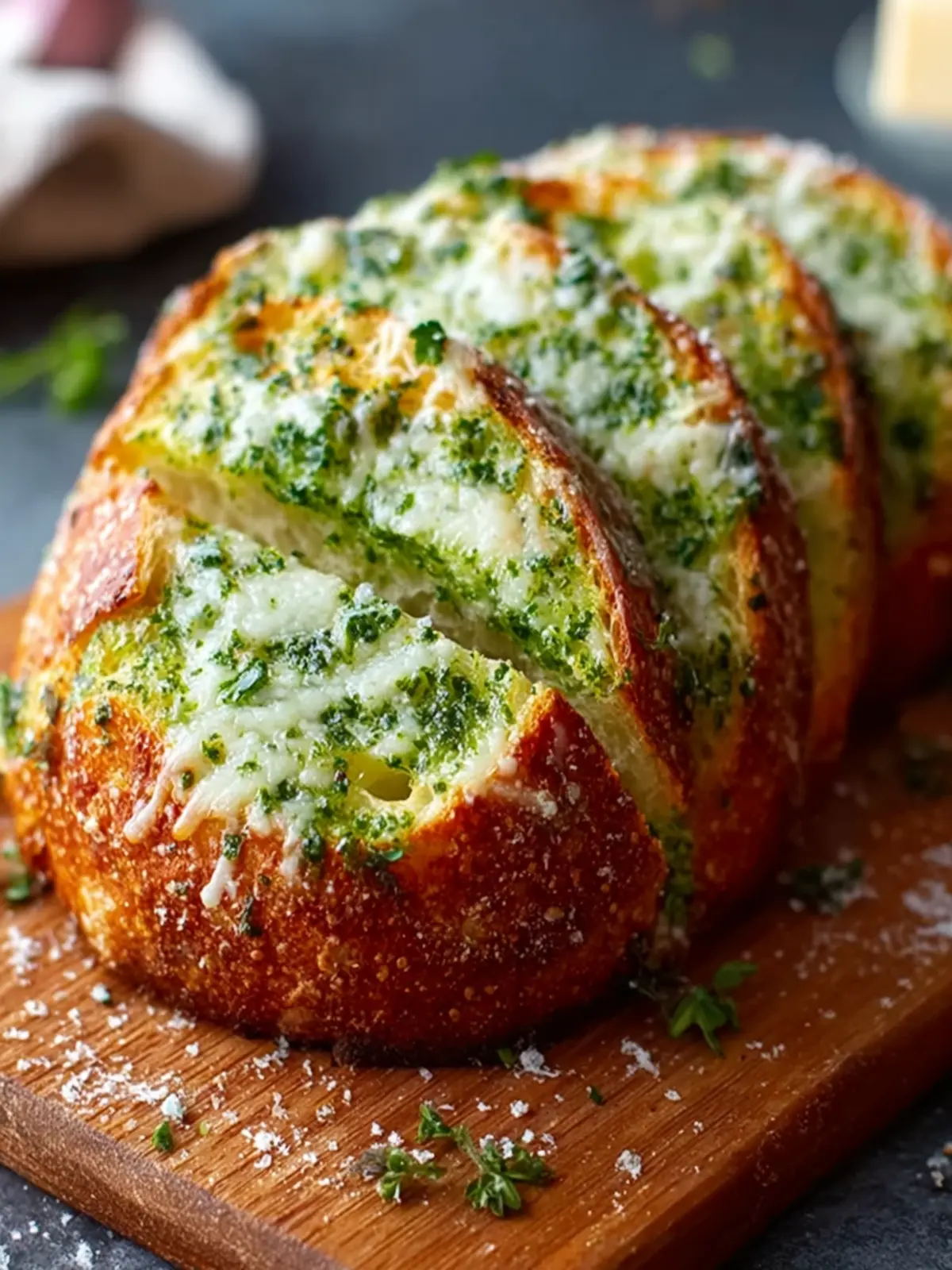
Time Breakdown for Pesto Parmesan Sourdough
Making Pesto Parmesan Sourdough is a rewarding experience that takes a bit of time, but the results are truly worth it. Below is a handy time breakdown to help you plan your baking adventure.
Preparation Time
The crafting of this flavorful sourdough starts with about 20 minutes of preparation. During this time, you’ll measure out your ingredients and mix the dough, infusing it with delicious basil pesto and rich Parmesan cheese.
Rising Time
Once you’ve mixed everything together, the dough needs to rise for approximately 4 to 5 hours. This is where the magic happens, as the sourdough ferments and develops its signature tangy flavor.
Baking Time
After the rise, expect to spend around 30 to 35 minutes baking. The aroma wafting through your kitchen during this time will be nothing short of heavenly!
Cooling Time
Lastly, let your Pesto Parmesan Sourdough cool on a wire rack for about 30 minutes. This final step is crucial, as it helps the texture set, allowing you to slice into it without it falling apart.
By keeping this timeline in mind, you’ll be prepared for a delightful baking experience. Enjoy the delicious rewards of your efforts!
Nutritional Facts for Pesto Parmesan Sourdough
This Pesto Parmesan Sourdough is not only a delightful addition to your meal but also packs a nutritional punch. Understanding the nutritional profile can help you enjoy it even more.
Calories
A slice of pesto parmesan sourdough contains approximately 210 calories. This makes it a satisfying yet mindful choice for your day.
Protein
With about 7 grams of protein per slice, this sourdough provides a nice balance to your carbs, making it a great option for those aiming to add more protein to their diets.
Carbohydrates
Each slice has around 30 grams of carbohydrates. The carbs primarily come from the whole grain flour, offering a good source of energy.
Fats
The pesto parmesan sourdough carries about 8 grams of fat per slice, thanks to the olive oil and cheese. These healthy fats contribute to its rich flavor while supporting your overall health.
This nutritional info allows you to savor every bite with confidence!
FAQs about Pesto Parmesan Sourdough
Exploring the world of pesto parmesan sourdough can lead to a wealth of questions, especially for those just starting their baking journey. We’re here to ease your doubts and help you whip up this delightful bread without a hitch.
What can I substitute for bread flour?
If you’re out of bread flour, don’t worry! All-purpose flour can make a decent alternative, though the texture may be slightly softer. For a gluten-free version, you can use a 1:1 gluten-free flour blend. Just keep in mind that the rise might vary a bit, so adjust your water accordingly.
How do I know my sourdough starter is active?
An active sourdough starter will show plenty of bubbles on the surface and should have doubled in size within 4-6 hours of feeding. It should also smell pleasantly tangy. A simple test involves dropping a spoonful of starter in a glass of water; if it floats, it’s ready to go!
Can I freeze Pesto Parmesan Sourdough?
Absolutely! If you find yourself with leftover pesto parmesan sourdough, slice it before freezing to make future toasting and sandwiches easy. Just wrap the slices tightly in plastic wrap and place them in a freezer bag. It can stay fresh for up to three months.
How do I store leftover sourdough?
To keep your pesto parmesan sourdough fresh, store it in a paper bag or a bread box at room temperature. Plastic bags can trap moisture and make the crust soft, so it’s best to avoid them. If you need to store it longer, consider freezing as mentioned above.
Conclusion on Pesto Parmesan Sourdough
Wrap Up of the Sourdough Journey
As we reflect on the delightful experience of making pesto parmesan sourdough, it’s clear that this recipe combines artistry and taste in every loaf. The aromatic blend of fresh basil and savory parmesan elevates the classic sourdough experience, making it a standout for any occasion. Plus, the fermentation process, while requiring some patience, rewards you with a uniquely tangy flavor profile that can’t be replicated.
Encouragement to Try Making it Yourself
I urge you to dive into the world of pesto parmesan sourdough. There’s something incredibly satisfying about crafting your own bread from scratch. Each slice not only brings a burst of flavor but also a sense of accomplishment. Gather your ingredients and unleash your inner baker—your taste buds will thank you!
Print
Pesto Parmesan Sourdough Bread
- Total Time: 12 hours 45 minutes
- Yield: 1 loaf 1x
- Diet: Vegetarian
Description
This delicious pesto Parmesan sourdough bread is perfect for sandwiches or as a side with pasta. Enjoy the unique flavor and texture!
Ingredients
- 500g bread flour
- 100g active sourdough starter
- 350g water
- 10g salt
- 75g basil pesto (store-bought or homemade)
- 60g grated Parmesan cheese
Instructions
- Mix the Dough: In a large bowl, combine the flour and water. Mix until there are no dry bits of flour left. Let the mixture rest for 30 to 45 minutes—this rest period is called autolyse, and it helps develop the dough’s structure naturally.
- Add the Starter and Salt: Add your active sourdough starter and salt to the rested dough. Use wet hands to gently incorporate them. At this point, the dough will be sticky but manageable. Cover and rest for 30 minutes.
- Stretch and Fold: Over the next 2 to 3 hours, perform three sets of stretch-and-folds every 30 minutes. This strengthens the dough and builds structure without kneading. After the final fold, cover and rest for 30 minutes.
- Add the Pesto and Parmesan: Lightly flour your counter and turn the dough out. Gently stretch it into a rectangle. Spread the pesto evenly over the surface and sprinkle the Parmesan on top. Fold the dough like a letter—left over center, right over left—then tuck it back into a round shape. Be gentle to keep the air in.
- Bulk Fermentation: Transfer the dough to a lightly oiled bowl. Cover and let it rise at room temperature until doubled in size—this typically takes 4 to 6 hours depending on room temperature.
- Shape and Cold Proof: Turn the dough out onto a floured surface and shape it into a tight round boule. Place it into a floured banneton (or a bowl lined with a towel), seam side up. Cover and refrigerate overnight for 12–14 hours.
- Bake the Bread: Preheat your oven to 475°F (245°C) with a Dutch oven inside. Once hot, carefully transfer the dough onto parchment paper, score the top with a sharp knife or lame, and place it into the Dutch oven. Cover and bake for 20 minutes, then uncover and bake for another 20–25 minutes until golden brown and crisp.
- Cool and Enjoy: Let your pesto Parmesan sourdough cool on a wire rack for at least an hour before slicing. The aroma will tempt you, but the wait is worth it.
Notes
- This bread can be enjoyed fresh or toasted.
- You can substitute the basil pesto with other herb pestos as you like.
- Prep Time: 15 minutes
- Cook Time: 45 minutes
- Category: Bread
- Method: Baking
- Cuisine: Italian
Nutrition
- Serving Size: 1 slice
- Calories: 200
- Sugar: 1g
- Sodium: 400mg
- Fat: 5g
- Saturated Fat: 2g
- Unsaturated Fat: 3g
- Trans Fat: 0g
- Carbohydrates: 36g
- Fiber: 2g
- Protein: 7g
- Cholesterol: 10mg
