
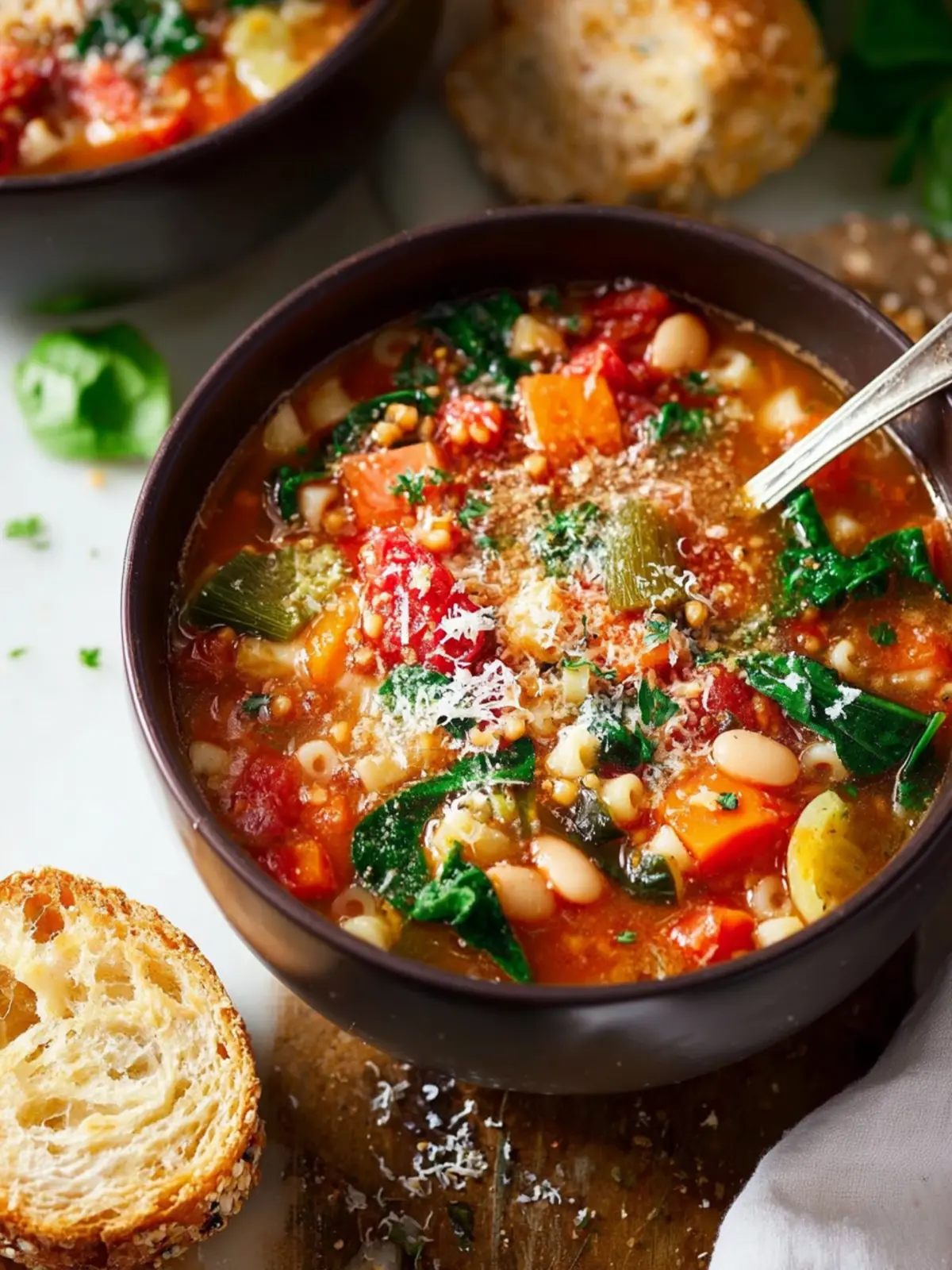
Introduction to Minestrone Soup
When the weather turns chilly and the need for something hearty sets in, minestrone soup steps in as the warm embrace we all crave. This beloved Italian classic is more than just a bowl of vegetables and broth; it’s a canvas for creativity, allowing you to combine whatever fresh ingredients you have on hand. With its vibrant vegetables, filling pasta, and the rich, umami flavor of a well-seasoned broth, minestrone soup quickly becomes a comfort food staple in any home.
What makes minestrone soup a favorite? For one, it’s incredibly versatile. You can customize this dish according to what’s in season or what’s lurking in your fridge, making it a wonderful option for reducing food waste. Whether you’re using cannellini beans, chopped kale, or fresh zucchini, each bite is a celebration of texture and flavor. The combination of earthy beans, fresh greens, and al dente pasta creates a symphony of taste, ensuring every spoonful is satisfying.
Additionally, minestrone soup is steeped in tradition and history, originating from the rustic kitchens of Italy. It embodies the essence of Italian cooking: simple, wholesome ingredients prepared with care. Some say that the best minestrone is the one that’s cooked slowly, allowing the flavors to blend beautifully. So, when you stir together your pot, not only are you preparing a meal, but you’re also partaking in a time-honored tradition that many have cherished for generations.
This nourishing dish is perfect for meal prepping, as it stores well in the fridge and can even improve in flavor after a day or two. Serve it with crusty bread and a sprinkle of parmesan cheese for an extra touch of delight. In the sections that follow, we’ll walk you through the simple yet satisfying process of making your own minestrone soup! Get ready to warm your kitchen with this inviting recipe that’s bound to become a favorite in your home.
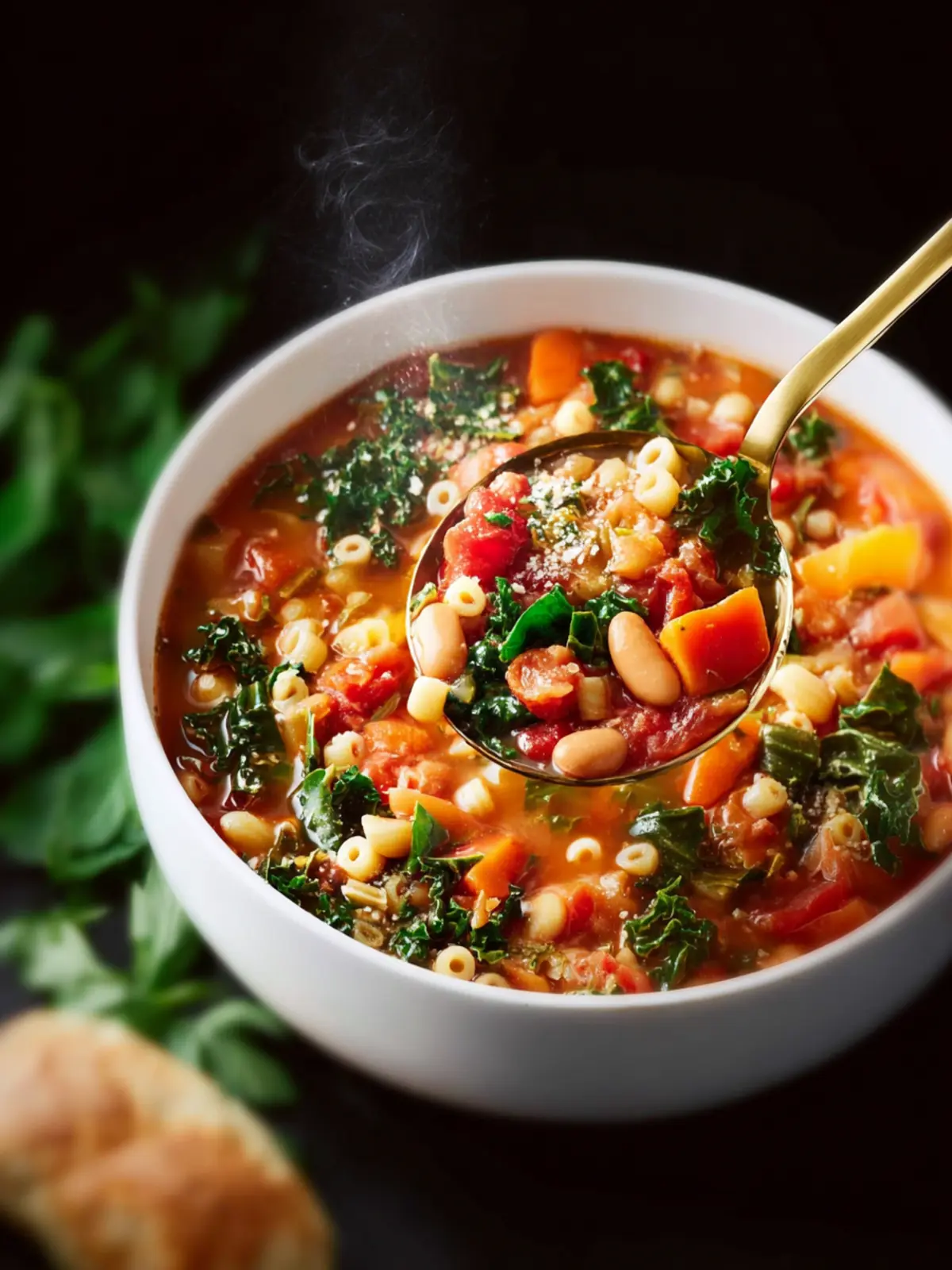
Key Ingredients for Minestrone Soup
When you think of minestrone soup, imagine a warm, comforting bowl brimming with a variety of fresh vegetables and hearty beans. This Italian classic isn’t just a dish; it’s a canvas for seasonal produce, letting you get creative in the kitchen.
-
Vegetables: A colorful medley of chopped onions, carrots, and celery lays the groundwork for our soup’s flavor. Adding zucchini and green beans provides texture while spinach or kale offers a nutritious boost. Feel free to switch things up based on what you have on hand!
-
Tomatoes: I always opt for diced tomatoes in this recipe. They bring a lovely acidity that balances out the earthiness of the beans and greens. If it’s summer, fresh tomatoes can elevate the flavor even more!
-
Beans: Whether you choose cannellini, kidney, or chickpeas, beans are essential for making this soup filling and nutritious. I prefer canned beans for convenience, but dried beans work if you plan ahead.
-
Pasta: A small pasta such as ditalini or elbow macaroni adds heartiness to the soup. Just be sure to cook it al dente to avoid mushiness.
-
Herbs and Seasoning: Fresh basil and thyme are my go-to herbs, bringing a fragrant lift to every spoonful. A pinch of salt and pepper rounds out the flavors perfectly.
This minestrone soup is not only customizable but also a fantastic way to embrace the bounty of fresh produce!
Why You’ll Love This Minestrone Soup
A warm bowl of minestrone soup feels like a hug on a chilly day. This comforting Italian classic not only satisfies your hunger but also nourishes your soul. Imagine a pot bubbling over with fresh vegetables, hearty beans, and tender pasta, all simmered in a rich, savory broth.
One of the best things about this soup is its versatility. You can tailor it to your taste preferences or what you have on hand. Love spinach? Toss in a handful. Craving more protein? Add some shredded chicken or lentils. The possibilities are endless! Plus, this recipe is perfect for meal prepping. Make a big pot at the beginning of the week, and you’ll have delicious, healthy lunches or dinners ready to go.
Not to mention, making minestrone soup at home is a rewarding experience in itself. The aroma that fills your kitchen is enough to make anyone eager to dig in—and it’s a fantastic way to impress friends at your next dinner party without much fuss. With its bright colors and vibrant flavors, this soup not only boosts your mood but also supports your overall health. So grab your pot, and let’s create something magical together!
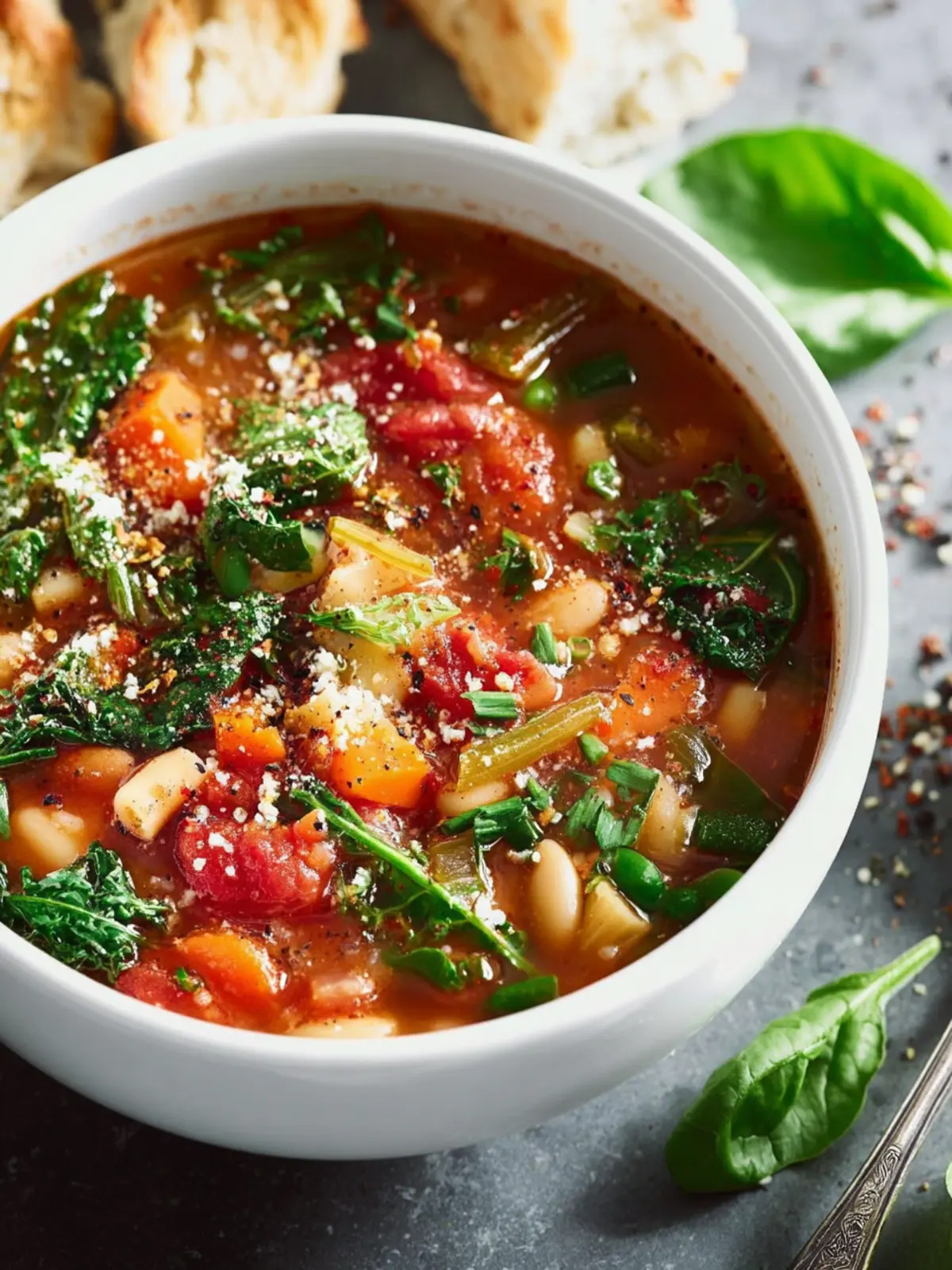
Variations on Minestrone Soup
Minestrone soup is a wonderfully adaptable dish, making it an ideal canvas for your culinary creativity. While the classic recipe shines with its rich combination of vegetables, beans, and pasta, don’t hesitate to explore delightful variations that cater to your tastes or dietary preferences.
A Twist on the Classic
-
Protein Boost: Adding diced chicken or sausage can transform your minestrone into a heartier meal. For a vegetarian option, consider incorporating lentils or chickpeas for an extra protein punch. They not only enhance the taste but also contribute to a filling texture.
-
Seasonal Vegetables: Change up the vegetable medley based on what’s fresh or in season. Try using zucchini, squash, or even asparagus in spring for a vibrant twist. Scrapping boring ingredients and embracing seasonal bounty can elevate the flavor profile dramatically.
Flavor Enhancements
-
Herbs and Spices: Fresh herbs like basil or parsley can elevate the freshness of your minestrone, while spices like smoked paprika or Italian seasoning can add depth. A dash of red pepper flakes provides a light kick for those who enjoy a bit of heat.
-
Different Grains: Rather than traditional pasta, experiment with quinoa, farro, or even brown rice to bring a different texture and added nutrition to your soup.
Exploring these variations not only keeps mealtime exciting but also ensures your minestrone soup can adapt to whatever ingredients you have on hand. Each bowl can tell a new story!
Cooking Tips and Notes for Minestrone Soup
Creating a hearty bowl of minestrone soup can transform your weeknight dinner into a delightful experience. Here are a few tips to elevate your cooking game and ensure a delicious outcome every time.
Choose Seasonal Vegetables
Seasonal veggies not only taste better but also add a vibrant color palette to your minestrone soup. I often opt for zucchini, carrots, and green beans during the summer months. The fresher the ingredients, the more flavorful your soup will be!
Customize Your Broth
While homemade broth is always the gold standard, store-bought chicken or vegetable broth can save you time. For extra depth of flavor, consider simmering your broth with herbs like thyme or bay leaves before adding it to the pot.
Pasta Perfection
Adding pasta is a classic touch for minestrone soup, but timing is crucial. To prevent it from becoming mushy, cook the pasta separately and add it just before serving. This way, you maintain that ideal al dente texture.
Flavor Development
Don’t rush the cooking process! Allowing your aromatics (like onions, garlic, and celery) to sauté until they’re soft and fragrant sets a delicious foundation for your soup. A generous sprinkle of salt while sautéing enhances the flavors right from the start.
Leftover Inspiration
Minestrone soup tastes even better the next day as flavors meld, making it perfect for meal prep. Don’t hesitate to freeze leftovers; they can be a lifesaver for those busy weeknights!
With these tips, your minestrone soup journey will not only be successful but also enjoyable!
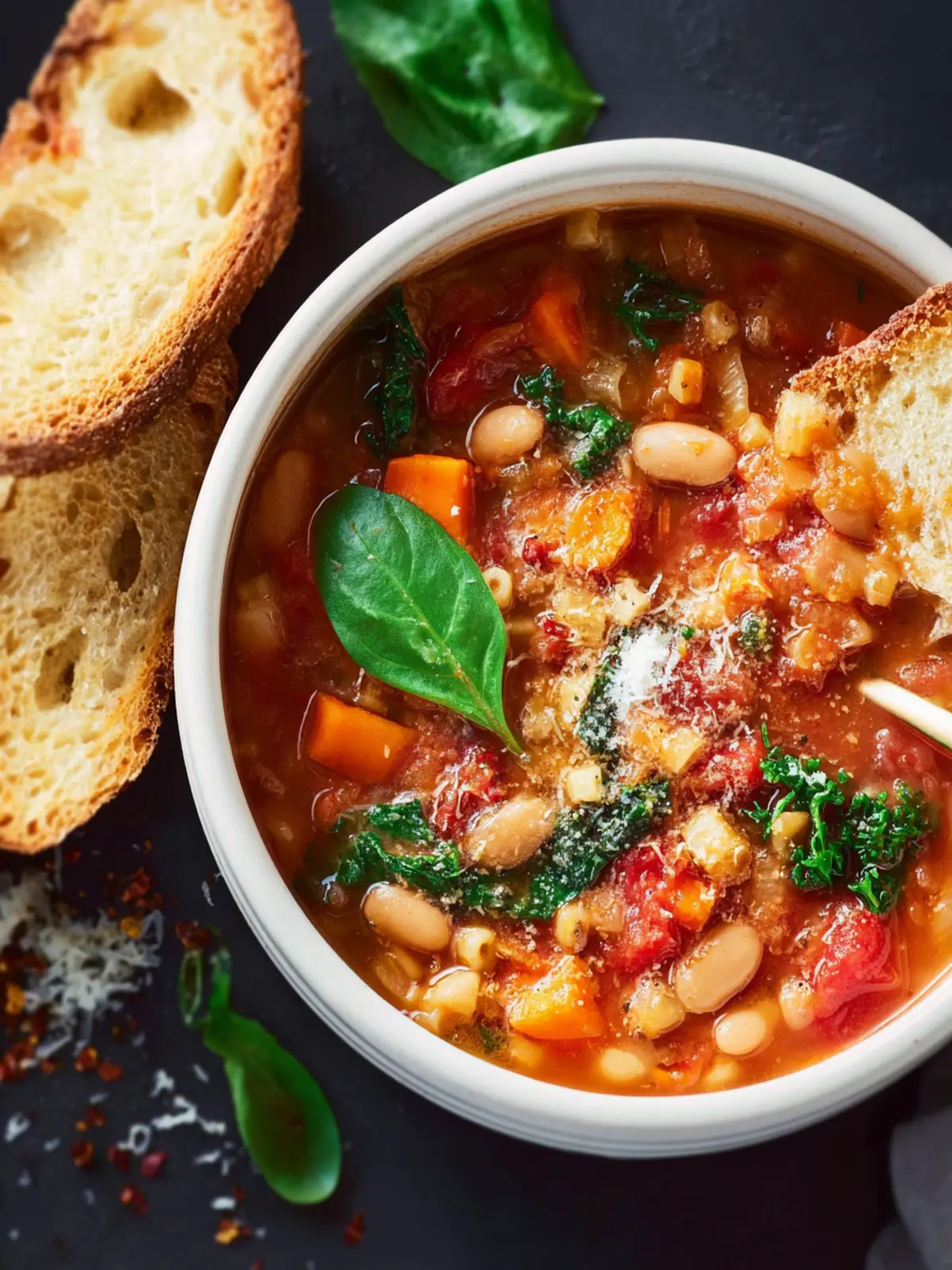
Serving Suggestions for Minestrone Soup
It’s a cozy night, and you’re excited to dive into a bowl of minestrone soup—a timeless dish packed with flavors and comforting vegetables. To enhance your minestrone experience, consider these delightful serving suggestions:
Pair with Fresh Bread
Nothing beats the combination of warm, crusty bread with your soup. A rustic sourdough or a simple baguette can be perfect for dipping, soaking up every delightful drop of broth.
Garnish for Extra Flavor
Top your minestrone with freshly grated Parmesan cheese. Not only does it add a lovely savory note, but it also makes the dish visually appealing. A sprinkle of freshly chopped basil or parsley can brighten up the flavors and add a herbal finish.
Complement with a Side Salad
A light, refreshing side salad can balance the hearty soup. Consider a mix of arugula, cherry tomatoes, and a lemon vinaigrette to cut through the richness of the minestrone.
Pair with Wine
For a relaxed evening, pair your soup with a chilled white wine, like Pinot Grigio. The acidity will enhance the flavors of the vegetables and beans, creating a harmonious dining experience.
With these thoughtful serving suggestions, your minestrone soup will shine, making for a comforting and delightful meal!
Time Breakdown for Minestrone Soup
Crafting a delicious bowl of minestrone soup is not only about the ingredients; it’s also about giving yourself the gift of time to create warmth in a bowl. Here’s how to break down the time needed to prepare this comforting dish.
Preparation Time
The prep work for minestrone soup takes about 15-20 minutes. You’ll spend this time washing, chopping, and measuring your fresh vegetables and herbs. It’s worth taking those extra minutes to ensure everything is ready to go before cooking.
Cooking Time
Once you’ve got your ingredients prepped, the cooking time is roughly 30-35 minutes. This includes sautéing the vegetables and allowing the soup to simmer until everything is tender and flavors meld perfectly.
Total Time
In total, you’re looking at around 45-55 minutes from start to finish. That’s a small investment for a hearty meal that warms your soul and satisfies your cravings. Enjoy the process and let the aroma of your minestrone soup elevate your kitchen!
Nutritional Facts for Minestrone Soup
Minestrone soup not only warms your soul but also nourishes your body. Packed with vegetables, beans, and rich flavors, it is a wholesome meal that delivers the nutrition you need.
Calories
A hearty serving of minestrone soup typically contains around 150-200 calories, making it a great choice for a light lunch or dinner. The exact number can vary depending on the ingredients used.
Protein
One of the appealing aspects of minestrone soup is its protein content, primarily from the beans. On average, you can expect to find about 7-10 grams of protein per serving, which helps keep you full and satisfied.
Fiber
Thanks to its abundance of vegetables and beans, minestrone soup offers a remarkable fiber boost, with about 5-8 grams per serving. This fiber plays a crucial role in digestive health and can help regulate blood sugar levels.
Enjoying a steaming bowl of minestrone soup is not only a delicious choice but also a smart one for your overall health!
FAQs about Minestrone Soup
Minestrone soup is a hearty dish with a rich history, often making its way to the dinner table as a comforting staple in many homes. But as familiar as it might be, you may still have some questions about preparing this delightful meal. Let’s dive into some frequently asked questions to enhance your minestrone soup experience!
How can I make minestrone soup vegan?
Transitioning your minestrone soup to a vegan-friendly recipe is simpler than you might think! Just swap out any animal-based ingredients for plant-based alternatives. For example:
- Broth: Use vegetable broth instead of chicken or beef broth.
- Beans: Cannellini or kidney beans work great; ensure they’re canned without added animal products.
- Pasta: Check labels to find non-egg-based pasta options.
- Cheese: Skip any cheese or use a dairy-free substitute for a creamy texture.
Adding more veggies like spinach or kale can enhance flavor while keeping it entirely plant-based.
What ingredients can I use in place of cannellini beans?
If you don’t have cannellini beans on hand, no problem! You can easily substitute them with:
- Great Northern Beans: They have a similar texture and will absorb the flavors nicely.
- Chickpeas: These will add a slightly different taste but maintain that hearty feel.
- Black Beans: For a more robust flavor, black beans work surprisingly well too.
Feel free to experiment and find what best suits your taste!
How do I store leftover minestrone soup?
Storing leftover minestrone soup is breeze. Follow these tips for optimal freshness:
- Cooling: Allow the soup to cool to room temperature.
- Containers: Use airtight containers to minimize air exposure.
- Refrigeration: It can be kept in the fridge for about 3-5 days.
- Freezing: If you want to store it longer, freeze it in portions. This way, you’ll have a warm bowl ready to go on a busy day!
With these tips, savoring your minestrone soup for days to come is easy!
Conclusion on Minestrone Soup
Feeling the warmth of a homemade bowl of minestrone soup is like wrapping yourself in a cozy blanket on a chilly day. This versatile dish, bursting with seasonal vegetables and hearty beans, not only nourishes the body, but it also lifts the spirit. The beauty of minestrone soup lies in its adaptability—feel free to use whatever veggies you have on hand or experiment with different beans for a unique twist. As you savor each spoonful, remember that cooking is all about love and creativity. Enjoy your kitchen adventures, and may every pot of minestrone add a little extra warmth to your life!
Print
Hearty Vegetable Soup
- Total Time: 45 minutes
- Yield: 6 servings 1x
- Diet: Vegetarian
Description
A hearty and flavorful vegetable soup that is perfect for any season.
Ingredients
- 3 tablespoons olive oil
- 1 onion, diced
- 6 garlic cloves, roughly chopped
- 1 teaspoon fennel seeds
- ½ teaspoon red pepper flakes (Aleppo is nice here)
- 2 teaspoons Italian seasoning
- 1 fennel bulb, cored and chopped (1 ½ cups, or sub chopped celery)
- 2 cups carrots, chopped, peeled, ¼ inch thick disks, cut into halves or quarters
- 1 red bell pepper, chopped
- 2 tablespoons tomato paste
- 4 cups veggie broth or chicken broth
- 14-ounce can diced tomatoes (do not drain)
- 2 bay leaves
- 2 teaspoons kosher salt
- 1 teaspoon black pepper
- 2 x 14-ounce cans cannellini beans, drained
- 1 cup dry small pasta (like ditalini pasta, mini shells or gluten-free pasta)
- 2 cups lacinato kale (big stems removed), chopped into 1-inch pieces
- ½ cup flat leaf parsley, chopped (save half for garnish or sub fresh basil)
- 1–2 teaspoons soy sauce (or GF liquid aminos), optional
- Black pepper and Aleppo chili flakes to taste
Instructions
- Heat olive oil in a Dutch oven.
- Sauté onion and garlic over medium heat until tender and fragrant, about 3-4 minutes.
- Add the spices and remaining veggies, and sauté for five more minutes.
- Stir in the tomato paste.
- Add the veggie broth, tomatoes, salt, pepper, and bay leaves. Bring to a boil.
- Add the pasta and white beans, and simmer gently, uncovered, until the pasta is al dente.
- Simmer until wilted slightly. Stir in half the herbs.
- Add the optional soy sauce to taste, along with more black pepper or chili flakes if you like.
- Serve with a drizzle of olive oil or grated pecorino cheese, a few cracks of black pepper, fresh herbs, Aleppo chili flakes, crispy shallots, or Urfa fiber. Serve with crusty bread.
Notes
- Add more broth for a soupier consistency or adjust seasoning to taste.
- This recipe can easily be made vegan by ensuring the broth is vegetable-based.
- Prep Time: 15 minutes
- Cook Time: 30 minutes
- Category: Soup
- Method: Stovetop
- Cuisine: American
Nutrition
- Serving Size: 1 bowl
- Calories: 250
- Sugar: 6g
- Sodium: 800mg
- Fat: 9g
- Saturated Fat: 1g
- Unsaturated Fat: 8g
- Trans Fat: 0g
- Carbohydrates: 35g
- Fiber: 10g
- Protein: 10g
- Cholesterol: 0mg
