

Introduction to Chess Pie
Chess pie, a classic Southern dessert, holds a special place in the hearts (and bellies) of many who cherish its rich, nostalgic flavors. It’s not just a pie; it embodies the very essence of homey comfort, often gracing tables during gatherings and celebrations. Each bite takes you on a journey through history and tradition, where old family recipes are lovingly passed down through generations. Imagine enjoying a slice of this sweet, custardy treat with loved ones—the warmth and familiarity it brings can transform any moment into a cherished memory.
The beauty of chess pie lies in its simplicity. With just a handful of ingredients, it delivers an unexpectedly delightful depth of flavor. Originating in the Southern United States, this pie is thought to have roots in the British custard pie, adapting over time to incorporate local Southern ingredients, resulting in a dessert that is creamy, sweet, and oh-so-satisfying. Whether you’re enjoying it fresh from the oven or letting it cool to develop its full flavor, chess pie never fails to impress.
What makes Chess Pie so special?
There are a few elements that truly set chess pie apart from other desserts:
-
Versatility: While traditional chess pie features a simple filling of sugar, eggs, and milk, it can be personalized in countless ways. Think chocolate chess pie, lemon chess pie, or even nutty variations that reflect the creativity of home bakers.
-
Texture Harmony: The contrast between the slightly flaky crust and the rich, gooey filling creates a delightful experience with every forkful. Each bite offers a taste sensation that is at once creamy and indulgent.
-
Sweetness with a Twist: The sweetness is perfectly balanced with a hint of tanginess if vinegar is included, making it complex yet approachable. This balance keeps you returning for more.
Chess pie isn’t just a dessert; it’s an experience, a slice of history, and a testament to the beauty of simple ingredients coming together to create something extraordinary. Whether you’re a seasoned baker or new to the kitchen, this pie promises to deliver comfort and joy.
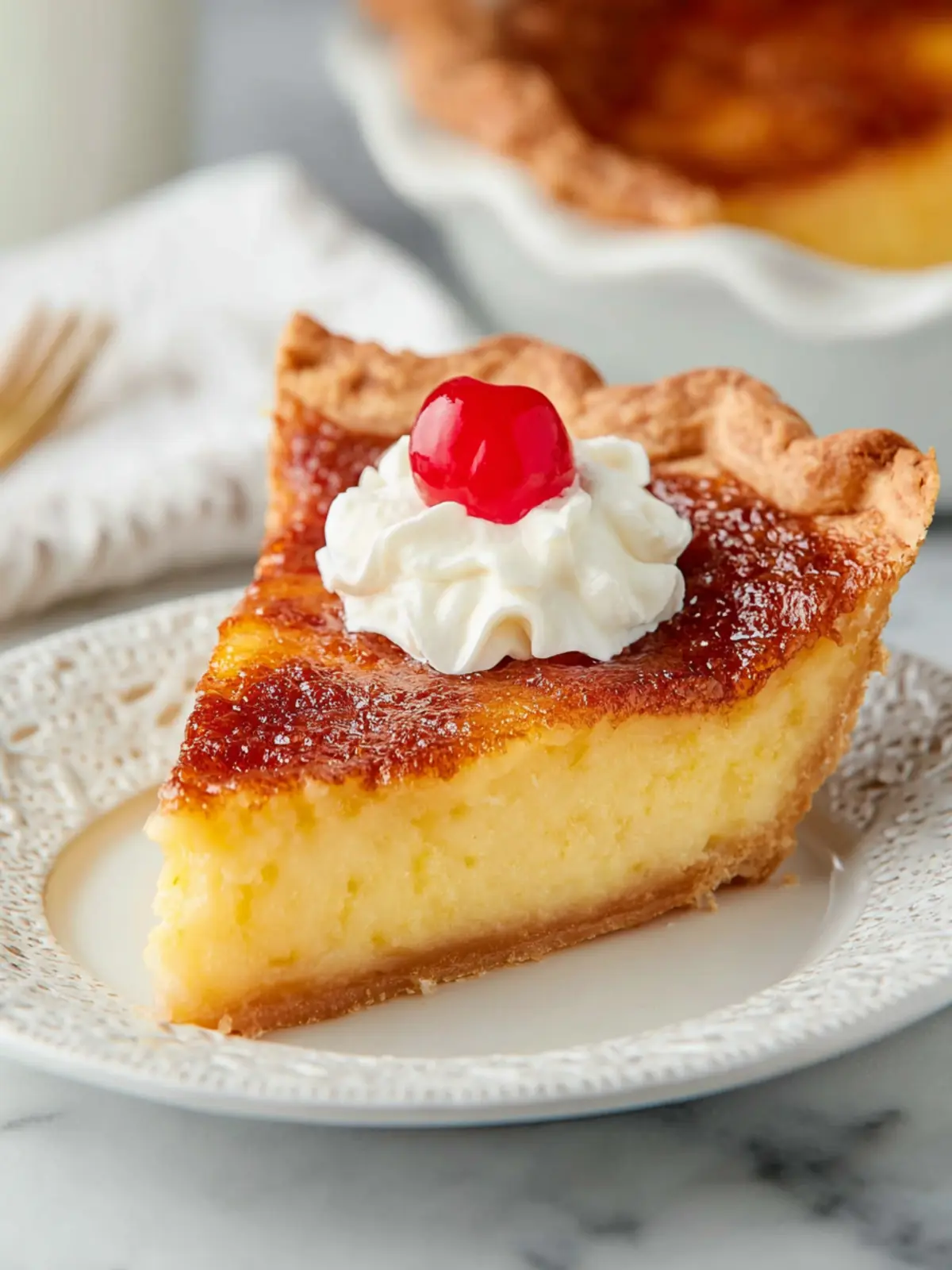
Key Ingredients for Chess Pie
Making a classic chess pie is like a culinary trip through Southern tradition, and let me tell you, it’s all about the ingredients! To get that perfect blend of sweetness and richness, you’ll need a few simple staples.
-
Sugar: This is the star of our show! I recommend using granulated sugar for that classic sweetness. Combined with the other ingredients, it transforms into a delightful, custard-like filling that is simply irresistible.
-
Eggs: Essential for the structure, eggs provide the necessary binding for the filling. I prefer to use large eggs, as they contribute to a fluffier texture and rich flavor.
-
Butter: Using unsalted butter adds a rich creaminess to your chess pie. I melt it and mix it into the filling for a sumptuous finish. Trust me, this makes a world of difference in flavor!
-
Cornmeal: A unique addition, cornmeal gives the pie a slightly grainy texture that complements its sweetness. It’s not something you’d expect but adds character to each slice.
-
Vanilla Extract: A splash of pure vanilla extract elevates the flavors, marrying the sweetness and creaminess perfectly.
-
Lemon Juice: Just a hint of lemon juice balances the sweetness and adds a subtle tartness that brightens up the whole pie.
Gather these ingredients, and you’ll be one step closer to serving a chess pie that tastes like it came straight from Grandma’s kitchen!
Why You’ll Love This Recipe
Chess pie, with its rich, creamy filling and flaky crust, is more than just a dessert; it’s a slice of Southern tradition that brings warmth and nostalgia to any gathering. Imagine a family kitchen buzzing with laughter and stories as you cut into a perfectly baked pie—each bite a delightful mix of sweetness and a hint of tanginess that dances on your palate. It’s the kind of dessert that not only satisfies your sweet tooth but also sparks conversations about family recipes and cherished memories.
Unforgettable Flavor
One of the reasons you’ll absolutely adore this chess pie recipe is its simplicity. Made from basic ingredients like eggs, sugar, and evaporated milk, it transforms into a velvety smooth filling that is deliciously rich but not overly heavy. You can customize it with a splash of vanilla or a hint of lemon zest, making it uniquely yours.
Perfect for Any Occasion
Whether you’re celebrating a holiday, hosting friends, or just indulging yourself on a quiet evening, this pie fits perfectly. Its delightful texture and comforting flavors make it an all-time favorite, able to win over hearts at a summer picnic or a cozy winter gathering.
A Slice of Convenience
Best of all, this recipe comes together in no time. Even if you’re a beginner in the kitchen, you’ll find it easy to whip up. Trust me, once you taste this classic, you’ll want to share it with everyone you know!
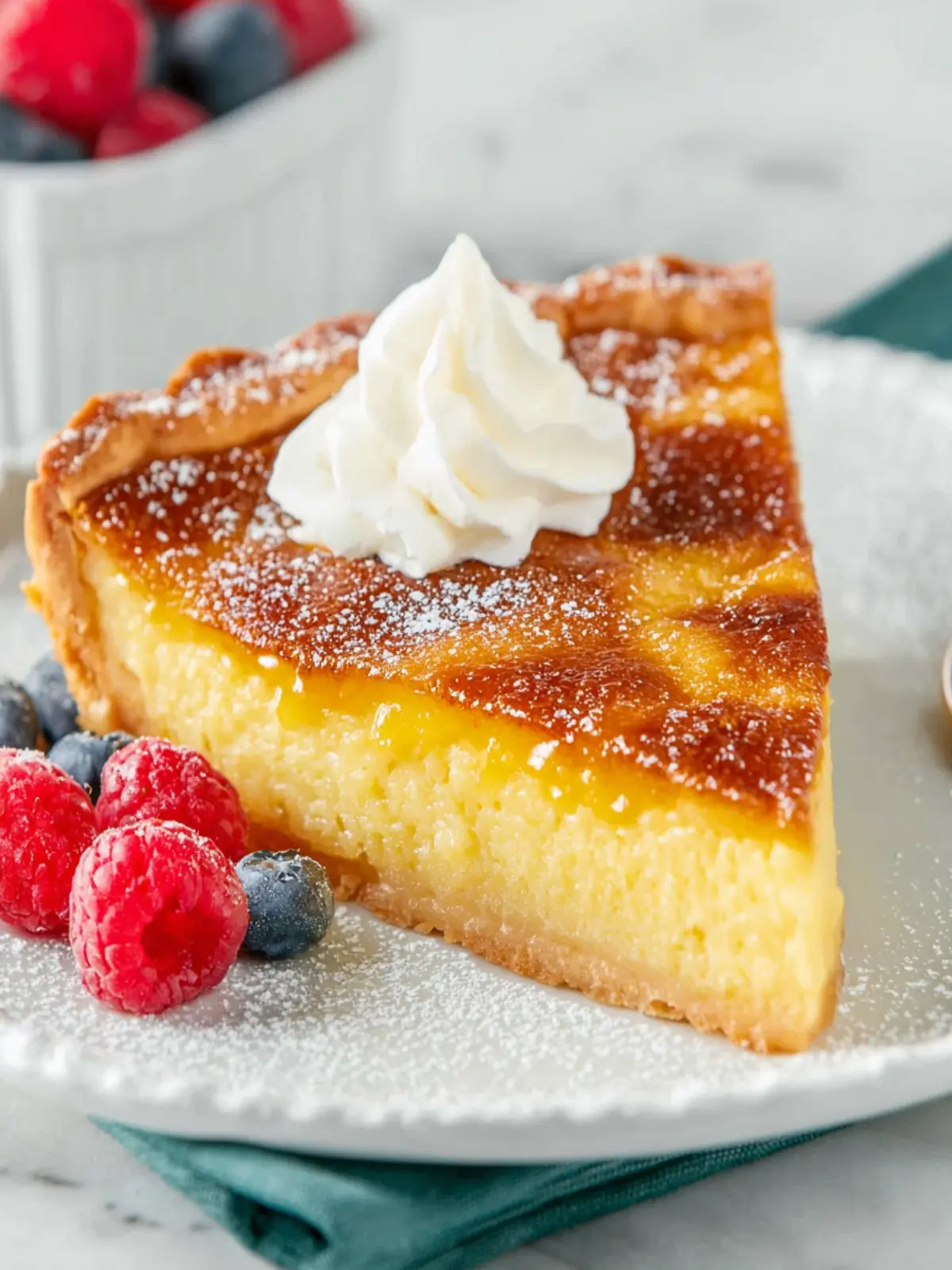
Cooking Tips for Making Chess Pie
Creating the perfect chess pie is like unveiling a cherished family secret, often passed down through generations. To help you navigate this delightful dessert, I’ve gathered some tried-and-true tips that will elevate your pie game.
Choose Your Sweetener Wisely
When making chess pie, the type of sugar you use can significantly influence the flavor. Granulated sugar yields a traditional taste, while using brown sugar can add a luscious depth and hint of caramel to your filling. Experiment with a blend if you’re feeling adventurous!
Use Room Temperature Ingredients
Ensure that your eggs, butter, and milk are at room temperature before mixing. This simple step allows for a smoother blend, promoting an even texture throughout the pie. Trust me, your pie will thank you!
Don’t Rush the Cooling Process
After baking, it can be tempting to slice right into the pie. However, allowing it to cool completely before cutting is crucial. This helps the filling set properly, ensuring each slice holds its shape beautifully. Patience is key!
Experiment with Flavorings
While traditional chess pie relies on vanilla for flavor, don’t hesitate to add a little twist! A dash of lemon juice or zest can brighten the filling, making it even more delightful.
Remember, cooking is as much about creativity as it is about tradition. So enjoy the process and make this chess pie your own!
Variations of Chess Pie
Chess pie, a beloved Southern classic, can be transformed into a delightful array of flavors, extending its charm beyond the traditional. Each variation tells a unique story, inviting you to experiment with what you love most.
Chocolate Chess Pie
What if you could take your chess pie experience to the next level? Enter the chocolate chess pie. By simply adding cocoa powder to the original recipe, you create a rich, fudgy delight that will satisfy any chocolate lover’s cravings. It keeps the custardy texture while introducing a decadent twist.
Lemon Chess Pie
For those who enjoy a bit of brightness, lemon chess pie is an ideal option. Zest and juice add a refreshing flavor profile that cuts through the sweet richness of the pie. This variation is perfect for warm weather gatherings, offering a light and zesty finish to any meal.
Coconut Chess Pie
Imagine the tropical flavors of coconut mixed into that creamy filling. By incorporating sweetened shredded coconut into the batter, you’ll have a pie that beautifully balances the sweetness with a chewy texture. It’s like a vacation for your taste buds.
Pecan Chess Pie
For a nutty crunch, consider a pecan chess pie. Just fold in some chopped pecans, and you’ll have a delightful contrast between the smooth filling and the crunchy bits. The nutty flavor pairs beautifully with the caramel notes of the pie.
These chess pie variations invite you to not only celebrate the original but also create new favorites that reflect your personal taste. So, whether you’re hosting a gathering or simply indulging yourself, each pie variation serves up a slice of creativity and joy.
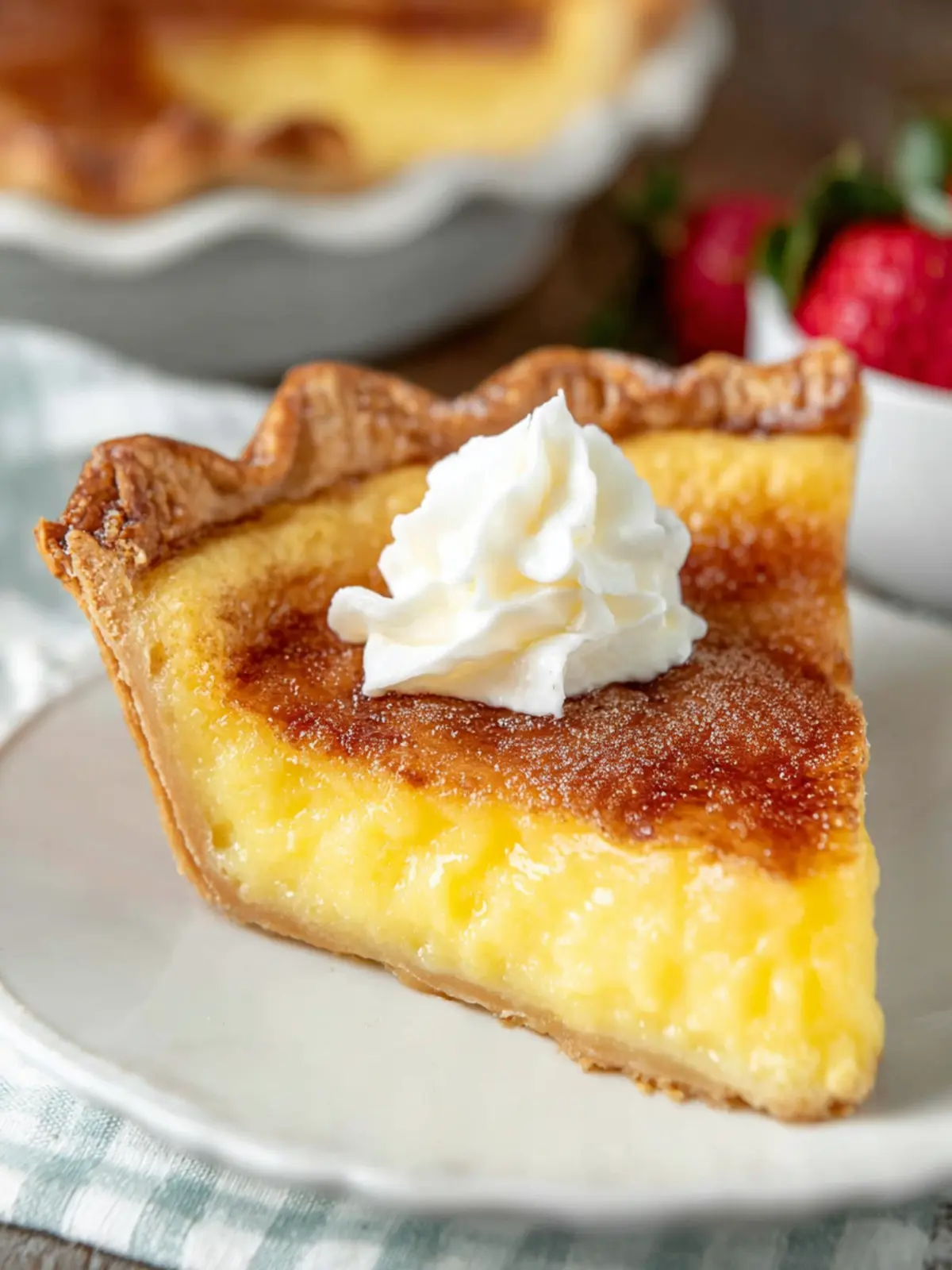
Time Breakdown for Making Chess Pie
Creating the perfect chess pie is a delightful journey that doesn’t require hours in the kitchen. Just a careful approach to time management can yield a scrumptious treat that’ll leave everyone asking for seconds.
Preparation Time
To start your journey to that golden slice of chess pie, set aside about 15 minutes for preparation. This includes gathering your ingredients, mixing the filling, and rolling out the pie crust. It’s the perfect time to sip a cup of coffee and fantasize about how great it will taste!
Baking Time
Once you’ve poured that luscious filling into your crust, it’s time to bake! Allocate around 45 to 50 minutes for baking. You’ll want to keep a close eye on it—golden and slightly firm in the center is the sweet spot.
Total Time
In total, you’re looking at about 1 hour and 5 minutes from start to finish. Whether you’re making chess pie for a gathering or a cozy night in, this is an investment in deliciousness that’s totally worth it!
Nutritional Facts for Chess Pie
Exploring the delightful world of chess pie not only tantalizes your taste buds but also invites a closer look at its nutritional profile. If you’re curious about what makes this classic Southern dessert both delicious and indulgent, here’s a quick breakdown that captures its essence.
Calories
A single slice of chess pie typically contains around 350-400 calories. While this makes it a rich treat, it also packs a flavorful punch worth savoring during special occasions or cozy gatherings.
Sugar
One of the main ingredients in chess pie is sugar, contributing around 30-40 grams per slice. This sweetness balances out the pie’s rich, creamy filling, making each bite surprisingly satisfying.
Fat
Chess pie is deliciously creamy, thanks to its buttery crust and egg-rich filling. Expect to find about 20-25 grams of fat per slice. While that may seem high, a little indulgence can be perfectly okay now and then, especially when shared with friends and family.
Understanding these nutritional facts helps you appreciate the rich legacy of chess pie, making every slice not just a dessert, but a story of tradition and flavor.
FAQs about Chess Pie
Making chess pie naturally invites curiosity, as this classic Southern dessert blends simplicity with rich, custardy flavors. Whether you’re crafting your first pie or hoping to perfect a beloved family recipe, here are some frequently asked questions that can guide you through the process of making this delicious treat.
What is the history behind Chess Pie?
The origin of chess pie is both colorful and a bit mysterious. Rooted in Southern history, this dessert likely emerged in the 19th century. It’s said that the name comes from a dialectal phrase, “just a pie,” which over time morphed into “chess pie.” Traditionally made with pantry staples—like sugar, eggs, milk, and butter—it was a practical dessert that could be whipped up quickly. Many believe this pie represents the resourcefulness of Southern cooks, creating something delightful from whatever ingredients they had on hand.
How do I know when my Chess Pie is done?
When baking chess pie, you’ll want to look for a few telltale signs. The pie’s edges should be set and lightly golden while the center will have a slight jiggle. An internal temperature of about 180°F is ideal. You can also perform the classic knife test—insert a knife into the center, and if it comes out clean or with just a slight bit of custard clinging to it, you’re good to go.
Can I freeze Chess Pie?
Absolutely! Freezing chess pie is a great way to prolong its life. Allow the pie to cool completely, then wrap it tightly in plastic wrap and aluminum foil before placing it in the freezer. Make sure to consume within 1-2 months for the best taste and texture. When you’re ready to enjoy, thaw it in the fridge overnight before serving it at room temperature or gently reheating it to bring back that fresh-baked deliciousness.
Conclusion on Chess Pie
In the world of desserts, chess pie stands out with its simplicity and rich history, often evoking memories of family gatherings and southern hospitality. This delightful pie, with its creamy and sweet filling, is not just a treat but a slice of tradition that warms the soul.
As you explore making chess pie, embrace the joy of mixing the sugar, eggs, and butter, letting each ingredient blend into a smooth batter. Sharing this pie with friends and family can spark conversations rich in nostalgia and laughter. So, gather your loved ones, bake your chess pie, and create sweet memories that will last a lifetime!
Print
Lemon Cream Pie
- Total Time: 90 minutes
- Yield: 8 servings 1x
- Diet: Vegetarian
Description
A delicious lemon cream pie with a buttery crust and creamy filling.
Ingredients
- 1 frozen or homemade pie crust
- 1/2 cup unsalted butter (room temperature)
- 1 1/2 cup granulated sugar
- 2 tbsp yellow cornmeal
- 1 tbsp all-purpose flour
- 4 large eggs (room temperature)
- 1/3 cup buttermilk (must be room temperature)
- 1 tsp vanilla extract
- 1 tsp lemon juice (or lime)
- 1 tsp lemon zest (or lime, optional)
- 1/4 tsp salt
Instructions
- Preheat oven to 350 degrees. Position a rack in the center of the oven.
- Start by getting your crust ready. For a blind baked crust, use my pie crust recipe, roll one of the disks out into the pie plate then use a fork to poke holes along the sides and bottom of the pie crust. Line the pie crust with parchment paper. Fill with pie weights, making sure the weights are evenly distributed around the pie dish. Pre-bake the crust for 10 minutes. If you would like, you can brush some egg wash on the outside of the crust as well (just take 1 egg and whisk together with a teaspoon of water). If using a frozen crust, follow instructions on the package for pre-baking.
- In the bowl of your stand mixer or using your hand mixer, cream the room temperature butter and sugar until light and fluffy on medium speed (about 3-4 minutes).
- Next add in the cornmeal and flour.
- Add the room temperature eggs, one at a time, beating well and scraping down the sides after each.
- When the egg mixture is well beaten, add room temperature (not cold) buttermilk, vanilla, lemon juice, zest if using and salt. Beat until smooth.
- Pour the filling into the pre-baked crust and carefully transfer into the oven.
- Bake for 50-60 minutes, or until the edges of the filling are firm but the center remains slightly jiggly but not liquidy. If it’s still liquidy, you have to keep baking. Note: Check the pie after 15-20 minutes and place a piece of aluminum foil on top to keep it from getting too brown.
- Remove from the oven, place on a cooling rack, and allow to come to room temperature, about 3 hours before serving.
Notes
- Ensure all ingredients are at room temperature for best results.
- You can substitute lime for lemon for a different flavor.
- Prep Time: 30 minutes
- Cook Time: 60 minutes
- Category: Dessert
- Method: Baking
- Cuisine: American
Nutrition
- Serving Size: 1 slice
- Calories: 320
- Sugar: 22g
- Sodium: 180mg
- Fat: 15g
- Saturated Fat: 10g
- Unsaturated Fat: 5g
- Trans Fat: 0g
- Carbohydrates: 40g
- Fiber: 1g
- Protein: 4g
- Cholesterol: 90mg
