
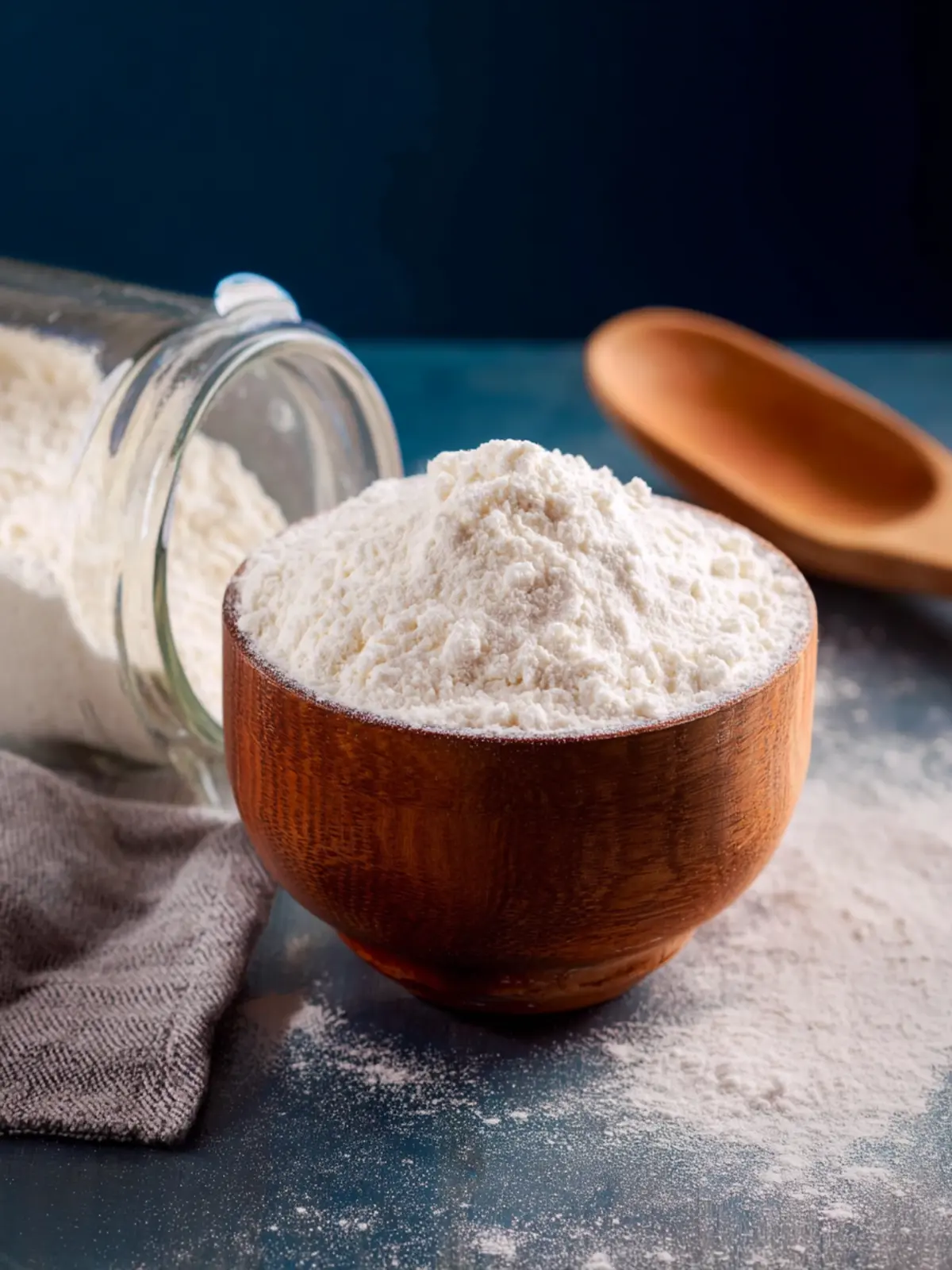
Introduction to Homemade Rice Flour
Creating your own homemade rice flour is an experience that goes beyond the simple act of grinding rice. Picture yourself in your kitchen, surrounded by the warm aroma of freshly milled grains; it’s a moment that truly transports you into the heart of culinary creativity. If you’ve ever pondered the difference between store-bought and freshly made flour, you’re not alone. Many home cooks are discovering that the quality and flavor of homemade rice flour can elevate their recipes to new heights.
One of the greatest joys of making homemade rice flour is the control it gives you over the ingredients. You can select the type of rice that matches your needs, whether it’s white, brown, or even jasmine. Each variety brings its own unique flavors and nutritional benefits to the table, allowing you to customize your culinary adventures. For instance, using brown rice adds a nuttier taste and extra fiber compared to white rice.
Not only does milling rice at home promise freshness, but it also allows you to experiment with texture. You can achieve a super fine flour perfect for delicate desserts, or a coarser texture for heartier dishes. Plus, there’s something incredibly satisfying about watching whole grains transform into a fine powder right before your eyes. Whether you’re preparing gluten-free meals or exploring new baking techniques, homemade rice flour fits seamlessly into various dietary needs.
When you start making homemade rice flour, you’ll discover that you’re not just creating an ingredient; you’re embarking on a journey of flavor, texture, and culinary technique. Imagine the advantages of having freshly milled flour at hand for your baking projects or asthma-friendly Asian dishes. With just a few simple steps and some dried rice, you can incorporate this wholesome ingredient into your kitchen repertoire. It’s an empowering skill that not only enhances your cooking but also gives you a deeper appreciation for the food you prepare—and that’s something worth celebrating!
Ready to dive into the process? Let’s explore how to transform simple rice into your very own homemade rice flour.
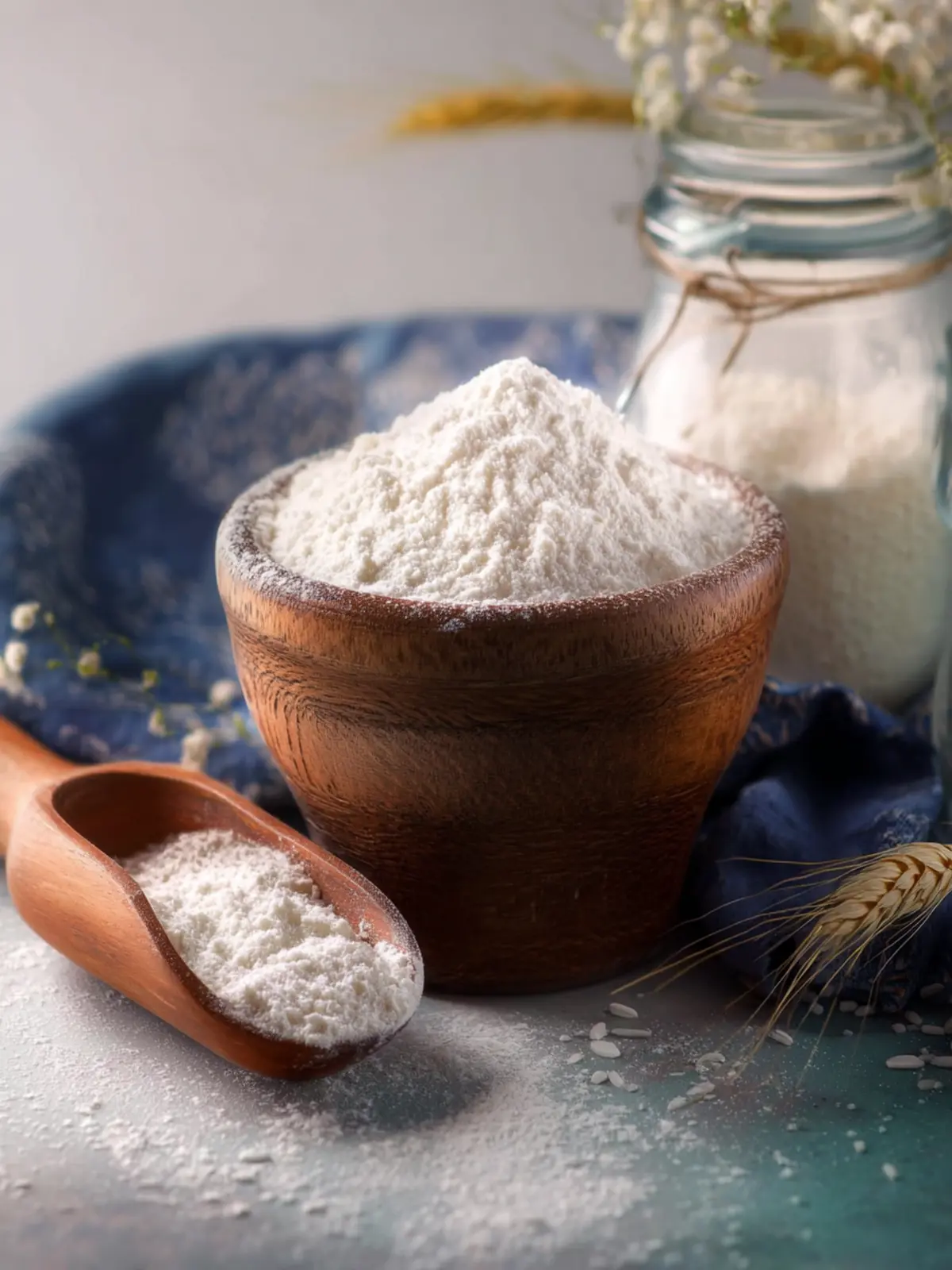
Key Ingredients for Homemade Rice Flour
Creating your own homemade rice flour isn’t just a fun kitchen project; it opens the door to endless culinary possibilities. Imagine the satisfaction of transforming simple grains into a fine powder that elevates your baking and cooking game!
Rice: The star of the show, rice is the primary ingredient for our flour. I recommend using long-grain varieties like jasmine or basmati as they yield a lighter texture. However, feel free to experiment with short-grain rice if you crave that starchy goodness.
Blender or Grain Mill: A sturdy appliance is vital for achieving that perfect texture. I usually opt for a high-speed blender for its efficiency, but a dedicated grain mill works brilliantly too. Whichever tool you choose, make sure it’s powerful enough to transform rice into a fine flour.
Sieve: This is an essential tool for ensuring your homemade rice flour is smooth and lump-free. Sifting helps achieve that light, airy quality, enhancing your baking results.
By utilizing these simple ingredients and tools, you’ll find that making your own rice flour can be both enjoyable and rewarding!
Why You’ll Love This Homemade Rice Flour
Creating your own homemade rice flour is not just a step in cooking; it marks the beginning of a delicious adventure in your kitchen. Imagine the excitement of transforming simple rice into a finely milled flour that opens up a world of culinary possibilities. Whether you’re gluten-free or not, this flour has a unique texture and mild flavor that will elevate your dishes in ways you hadn’t thought possible.
Elevate your cooking with a staple that’s simple and versatile
Homemade rice flour is incredibly versatile. You can use it for everything from thickening sauces to making gluten-free pancakes, breadcrumbs, or delicate pastries. The process is simple and requires just one ingredient: rice. Plus, the satisfaction of milling your own flour adds a personal touch to your cooking.
Making your own rice flour at home also allows you to control its freshness. Unlike store-bought versions, which can sit on the shelf for months, your homemade rice flour will be at its peak when you use it.
- Budget-friendly: Making rice flour at home can save you money in the long run.
- Health Conscious: You can choose the type of rice—brown, white, or jasmine—to suit your dietary needs.
- Simplicity: All you need is a blender or food processor to get this staple ready for all your culinary adventures.
Ready to dive into this delightful recipe? You’ll be amazed at the difference it can make!
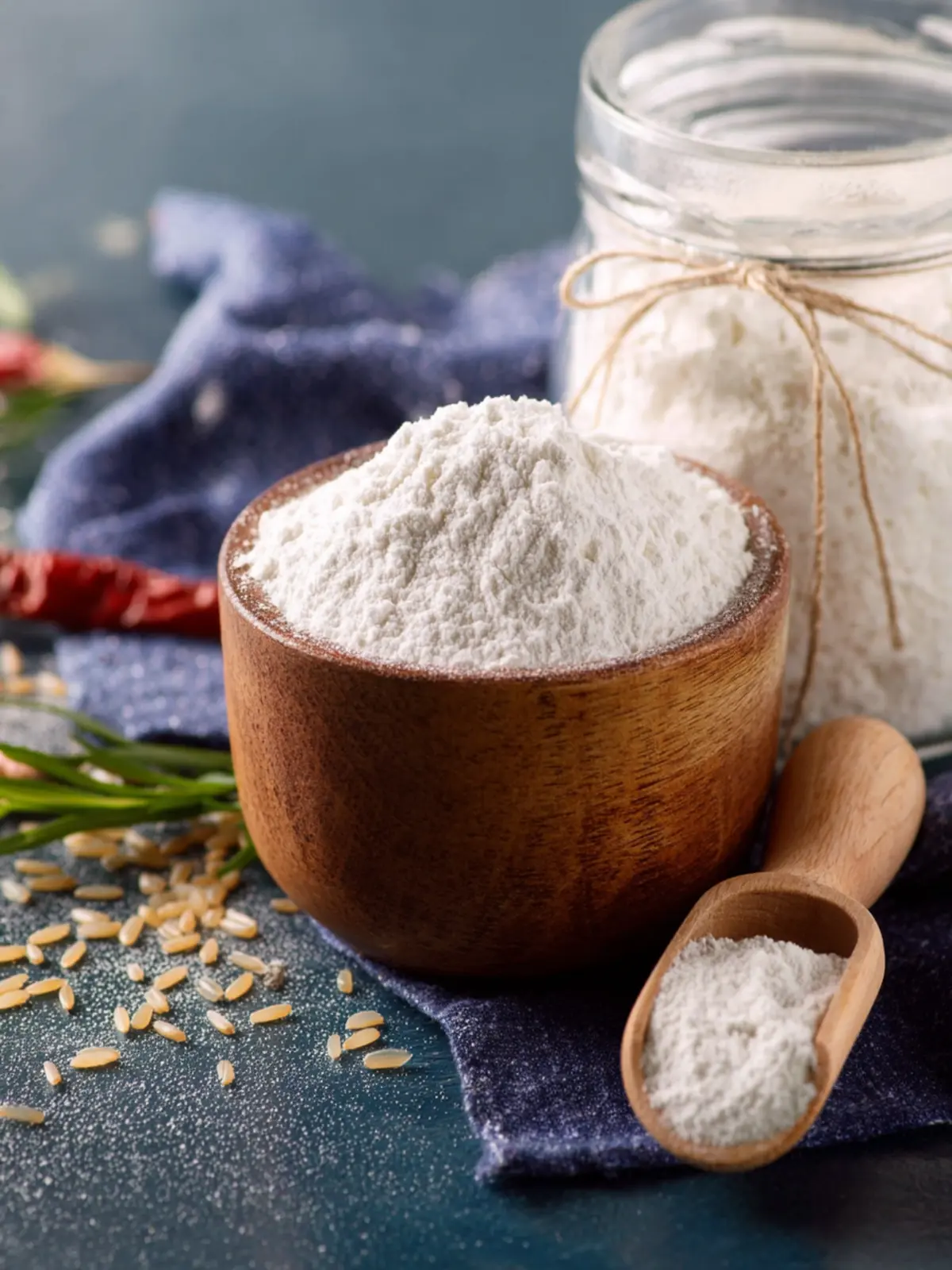
Cooking Tips and Notes for Homemade Rice Flour
Creating homemade rice flour opens up a world of culinary possibilities, from gluten-free baking to delightful Asian dishes. However, mastering this art can require a touch of finesse.
Grinding Techniques
To achieve the perfect consistency for your homemade rice flour, invest in a good-quality blender or grain mill. Start with rinsed and thoroughly dried rice to avoid clumping. For best results, grind in small batches and use the pulse setting to monitor the texture, preventing over-processing. A fine flour offers a smoother finish, while a coarser grind can work wonders for making rustic breads or noodles.
Sifting for Perfection
Once ground, sifting your rice flour is crucial. This step helps eliminate any larger particles that may have escaped the grinder. Use a fine mesh sieve to ensure a consistent texture, allowing your baked goods to rise and mix evenly. For recipes requiring a finer grind, repeat the grinding process with any larger bits you catch in the sift.
Storage Tips
Once you’ve prepared your homemade rice flour, store it in an airtight container in a cool, dry place. A glass jar or a resealable bag works well to maintain freshness. To prolong its shelf life, consider refrigerating or freezing your flour, which can help preserve its quality for up to six months. When you’re ready to use it again, let it come back to room temperature before incorporating it into your recipes for seamless results.
With these tips, your journey into making homemade rice flour will be smooth and rewarding, paving the way for delicious, health-conscious alternatives in your kitchen!
Variations on Homemade Rice Flour
When you’re in the kitchen crafting your very own homemade rice flour, the possibilities for creativity are endless! The taste and texture of rice flour are just a jumping-off point for experimenting with other grains.
Explore Other Grains and Blends for Unique Flavors
Have you considered swapping rice out for other grains? Here’s a brief guide to add a dash of diversity to your recipes:
-
Brown Rice: This wholesome alternative retains the nutrients often lost in white rice, giving your flour a nutty flavor. It’s a fantastic base for gluten-free baking.
-
Oats: Blend rolled oats into a fine powder for oat flour, which brings a slightly sweet and earthy taste. This works well in pancakes and muffins!
-
Quinoa: Like rice, quinoa offers protein and a unique flavor profile. Quinoa flour is high in fiber and has a delightful nuttiness that enriches baked goods.
-
Buckwheat: Perfect for those craving a deeper taste, buckwheat flour pairs beautifully with warm spices, making it great for autumn recipes.
Pairing these flours with your homemade rice flour not only enhances flavors but also maximizes nutrition. Let your culinary imagination run wild by mixing and matching, and don’t be afraid to experiment—after all, the kitchen is where delicious discoveries are made!
Time Breakdown for Homemade Rice Flour
Homemade rice flour opens a world of culinary possibilities, inviting you to create everything from gluten-free treats to savory dishes. Understanding the time investment can help you plan better for your cooking adventures.
Preparation Time
Preparing for your homemade rice flour journey takes about 10 minutes. Measure out your rice and give it a quick rinse to eliminate any impurities or excess starch.
Grinding Time
Once you have your rice ready, it’s time to grind! This process typically takes around 5–10 minutes, depending on how fine you want your flour. Using a high-speed blender or grain mill can yield flour in no time.
Total Time
In total, expect to spend about 15–20 minutes on this recipe. You’ll appreciate how such a short time investment opens doors to healthier, homemade dishes!
Nutritional Facts for Homemade Rice Flour
Creating your own homemade rice flour opens a world of dietary benefits and flexibility in your cooking. Here’s a closer look at the nutritional profile of this versatile ingredient, making it easy to incorporate into your meals.
Calories
A cup of homemade rice flour contains approximately 320 calories. This makes it a decent base for many dishes, allowing you to control caloric intake without sacrificing taste.
Carbs
Rice flour is primarily made up of carbohydrates, with about 73 grams per cup. This provides a quick source of energy, perfect for active lifestyles or when you need a fuel boost for your day.
Protein
Although not a primary protein source, homemade rice flour offers around 4 grams of protein per cup. While it’s low compared to other flours, combining it with high-protein ingredients can create a balanced meal.
Overall, using homemade rice flour is a simple way to enhance your diet while enjoying its distinct flavor and texture.
Serving Suggestions for Homemade Rice Flour
In crafting the perfect homemade rice flour, you’re opening the door to a world of culinary creativity. This versatile ingredient goes beyond traditional uses, enhancing various meals throughout your day.
Incorporate rice flour into breakfasts, pastries, and more
Imagine waking up to a warm stack of rice flour pancakes. Using homemade rice flour gives them a light, delicate texture that perfectly absorbs syrup or fruit toppings. You could also swap out regular flour in your favorite smoothie bowl recipes—add a scoop for thickness and a subtle nutty flavor.
For pastry lovers, consider creating rice flour biscuits. Their crumbly, tender texture adds a delightful twist to brunch spreads. If you’re craving something sweet, rice flour works wonderfully in desserts like mochi or gluten-free cakes, where its fine consistency ensures a soft bite and supports a fluffy rise.
Here’s how to try it:
- Breakfast: Make fluffy pancakes or add to your oatmeal for extra fiber.
- Snacks: Whip up rice flour cookies or muffins, perfect for on-the-go energy.
- Savory Dishes: Use in savory crepes or dumplings, adding a unique flavor twist.
Embrace your homemade rice flour adventures, and I guarantee you’ll find endless ways to enjoy this kitchen staple in your daily meals.
FAQs about Homemade Rice Flour
Crafting your own homemade rice flour opens up a world of culinary possibilities—but it also raises some questions. Let’s dive into the details that make using rice flour a breeze in your kitchen.
How can I use homemade rice flour in recipes?
Homemade rice flour is incredibly versatile! It works wonders in:
- Baking: Use it in gluten-free cakes, muffins, and pancakes. It gives baked goods a light texture.
- Thickening agent: Perfect for soups and sauces, rice flour thickens without altering flavors.
- Breading: Use it for coating proteins or vegetables before frying for a crisp finish.
Can I substitute rice flour for all-purpose flour?
Yes, you can substitute rice flour for all-purpose flour in many recipes, but it may require some adjustments. Since rice flour lacks gluten, your end product may be denser. As a rule of thumb, try replacing up to half of the all-purpose flour with homemade rice flour and see how it works out. Experimenting with additional binding agents, like xanthan gum or eggs, may help improve texture.
How long can I store homemade rice flour?
To enjoy the best quality, store your homemade rice flour in an airtight container in a cool, dark place. It can last up to three months in the pantry. If you want it to last longer, consider keeping it in the freezer, where it can stay fresh for up to six months. Just remember to thaw it before using in your recipes for the best results!
Conclusion on Homemade Rice Flour
Embrace the simplicity and flavor of homemade rice flour. Experimenting with this versatile ingredient allows you to dive into a world of culinary creativity. Not only is it easy to make, but the fresh, nutty taste can elevate your recipes, from baked goods to savory dishes. Whether you’re gluten-free or simply exploring new flavors, making your own rice flour ensures you have a fresh, tailored product at your fingertips. So, gather your rice and a blender, and take this small step in your kitchen for a big flavor boost. Your dishes deserve that personalized touch!
Print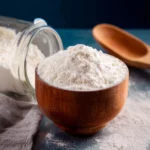
Homemade Rice Flour
- Total Time: 5 minutes
- Yield: Approximately 2 cups of flour 1x
- Diet: Gluten-Free
Description
A simple and effective method to make rice flour at home using long grain white rice.
Ingredients
- 2 cups Long Grain White Rice
Instructions
- Place the rice in your grinder and grind for about 15 seconds or until nice and fine like flour.
- If your grinder cannot fit the full 2 cups of rice, do it a bit at a time.
- If desired, sift the flour to ensure no little chunks of rice remain behind.
- Store in an airtight container, in a cool, dry area for up to 5 months (sometimes longer).
Notes
- Grinding small batches may yield a finer consistency.
- Ensure the container is completely dry before storing the flour.
- Prep Time: 5 minutes
- Category: Baking
- Method: Grinding
- Cuisine: Global
Nutrition
- Serving Size: 1 cup
