
Introduction to Roasting Asparagus
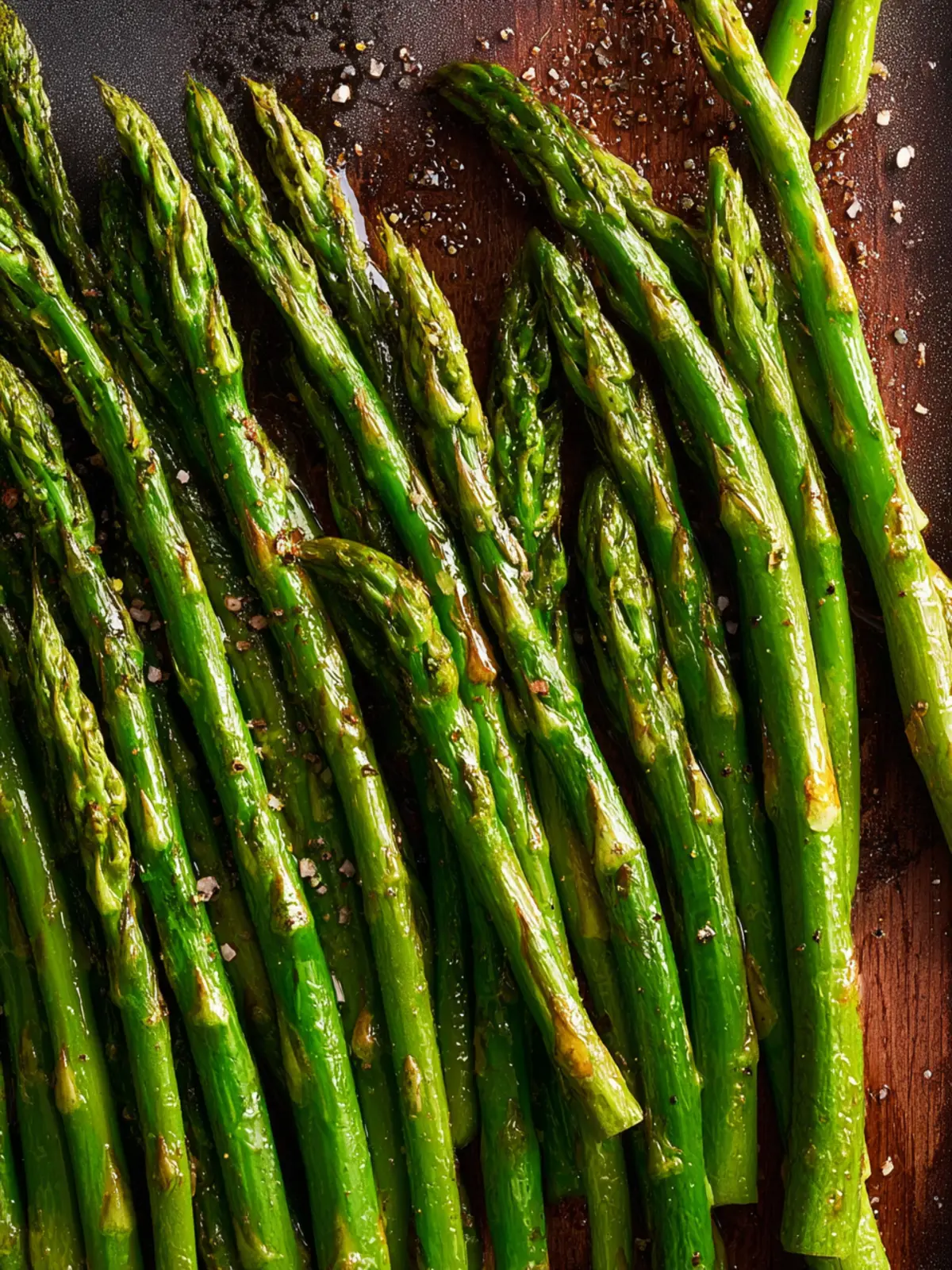
Roasting asparagus is not just a cooking method; it’s a delightful journey that transforms a humble vegetable into a gourmet experience right in your kitchen. Imagine walking into your home and being greeted by the enticing aroma of asparagus as it crisps and caramelizes in the oven, inviting you to gather around the dinner table. Roasted asparagus boasts a vibrant, nutty flavor and delightful texture that appeals to everyone, making it a staple side dish for countless meals.
What makes roasted asparagus a must-try?
So, why should you put roasting asparagus on your culinary to-do list? First and foremost, it’s all about the flavor. Roasting brings out the natural sweetness of asparagus while adding a savory depth through caramelization. If you’ve only ever steamed or boiled asparagus, you’re in for a surprise! The slight char from roasting not only adds complexity to the taste but also enhances its beautiful green color.
Nutritionally speaking, asparagus is a powerhouse. Packed with vitamins A, C, E, and K, along with fiber and antioxidants, this green wonder offers numerous health benefits. Whether you’re trying to eat healthier or simply want to add more vibrant veggies to your diet, roasted asparagus is an easy and tasty choice. Moreover, asparagus is surprisingly versatile. It complements a wide range of flavors, from zesty lemon to fragrant garlic, making it an excellent addition to various dishes.
The method itself is incredibly simple, requiring minimal effort for maximum reward. Just toss your asparagus with olive oil, season with salt and pepper, and let the oven work its magic. In about 20 minutes, you’ll have perfectly roasted asparagus that’s tender yet crisp, ready to be enjoyed alone or as an accompaniment to your favorite protein.
As you learn how to roast asparagus, you might find that it quickly becomes one of your go-to side dishes. With its appealing taste and health benefits, it’s a great way to impress friends or simply treat yourself to a delicious home-cooked meal. Ready to dive in? Let’s explore the ingredients and steps needed to create this flavorful dish.
Key Ingredients for Roasting Asparagus
As you master how to roast asparagus, you’ll discover that selecting the right ingredients can elevate your dish from ordinary to extraordinary. Each element plays a vital role in creating that perfect balance of flavors and textures.
-
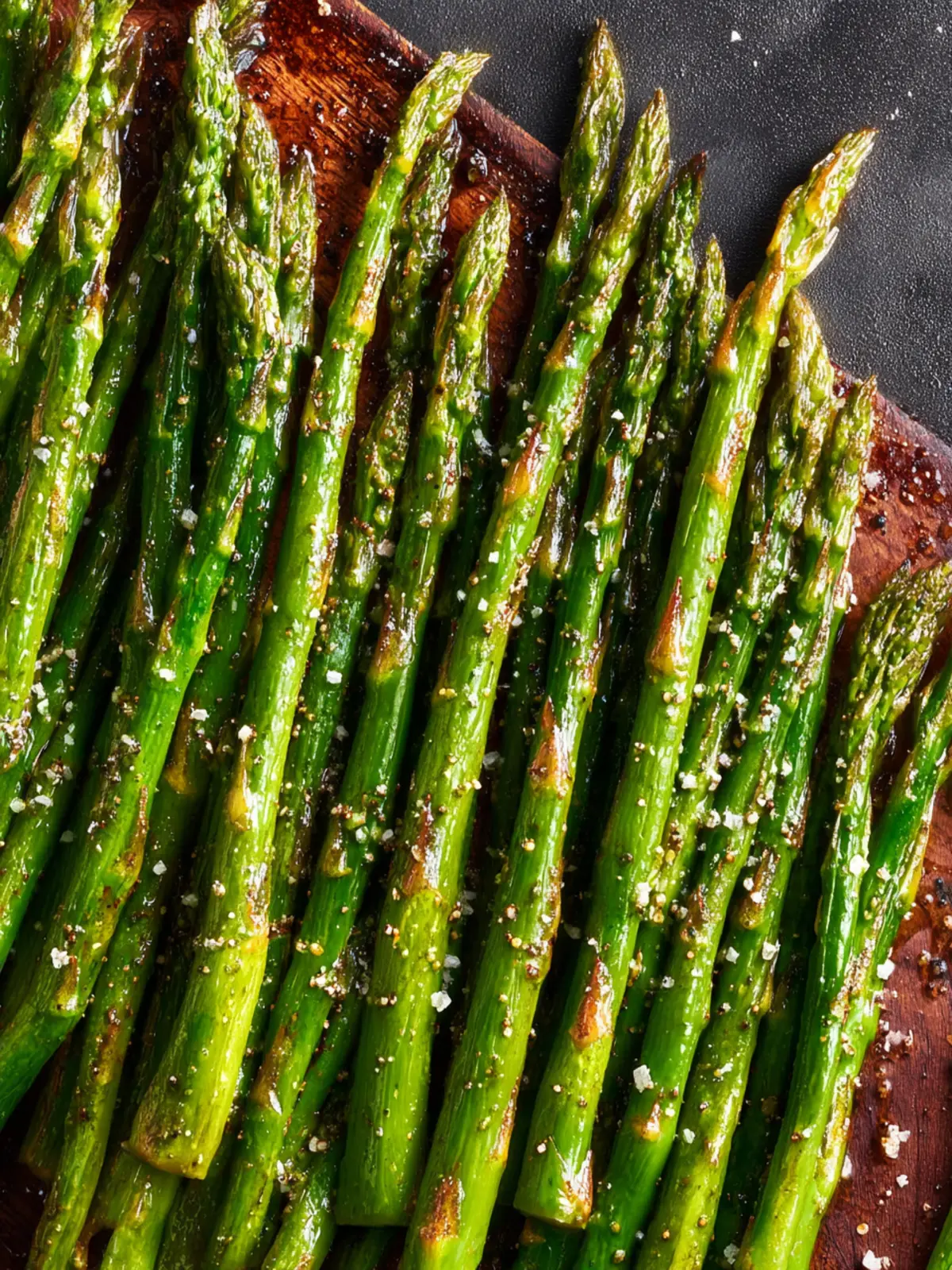
Asparagus: Start with fresh asparagus stalks. Look for spears that are bright green and firm, with tightly closed tips. Thin or medium stalks have the best flavor, while thicker ones can be a bit woody. If you can’t find fresh asparagus, frozen can work in a pinch, but the texture may differ.
-
Olive Oil: A drizzle of extra virgin olive oil is essential. It not only helps the asparagus to roast evenly but also adds a rich flavor. This oil enhances the natural sweetness of the asparagus and provides a beautiful golden color.
-
Salt and Pepper: Simple seasonings like kosher salt and freshly cracked black pepper help bring out the natural flavors. Just a sprinkle before roasting can make a world of difference.
-
Lemon Juice: A squeeze of fresh lemon juice after roasting adds brightness and acidity, which perfectly complements the earthy taste of asparagus.
With these ingredients on hand, you’re ready to craft a deliciously roasted asparagus dish that will impress your friends and family!
Why You’ll Love This Roasted Asparagus
Discovering how to roast asparagus is a culinary game changer that brings a vibrant, nutritious side dish to your table. Imagine tender, succulent spears with a hint of crispness providing a delightful contrast both in flavor and texture. This quintessential spring vegetable is not only easy to prepare but also versatile enough to pair well with numerous dishes, making it a favorite among young professionals looking to elevate their meals without a fuss.
Delight in Flavor and Nutrition
Roasting asparagus enhances its natural sweetness while retaining vital nutrients like vitamins A, C, E, and K. The slightly charred edges and vibrant green color will not only entice your taste buds but also make your plate look appealing. Every bite is a reminder that healthy eating doesn’t have to be boring!
Effortless Preparation
With minimal ingredients required, you can whip up this dish in no time. All you need is fresh asparagus, olive oil, salt, and pepper. Simply toss, roast, and enjoy! It’s an ideal weeknight solution for those too busy to spend hours in the kitchen. Plus, roasted asparagus complements everything from grilled chicken to pasta, ensuring it’ll quickly become your go-to recipe.
By learning how to roast asparagus, you’ll not only impress your friends but also create a deliciously healthy side dish that’s bound to make its way into your regular dinner rotation.
Tips for Perfectly Roasted Asparagus
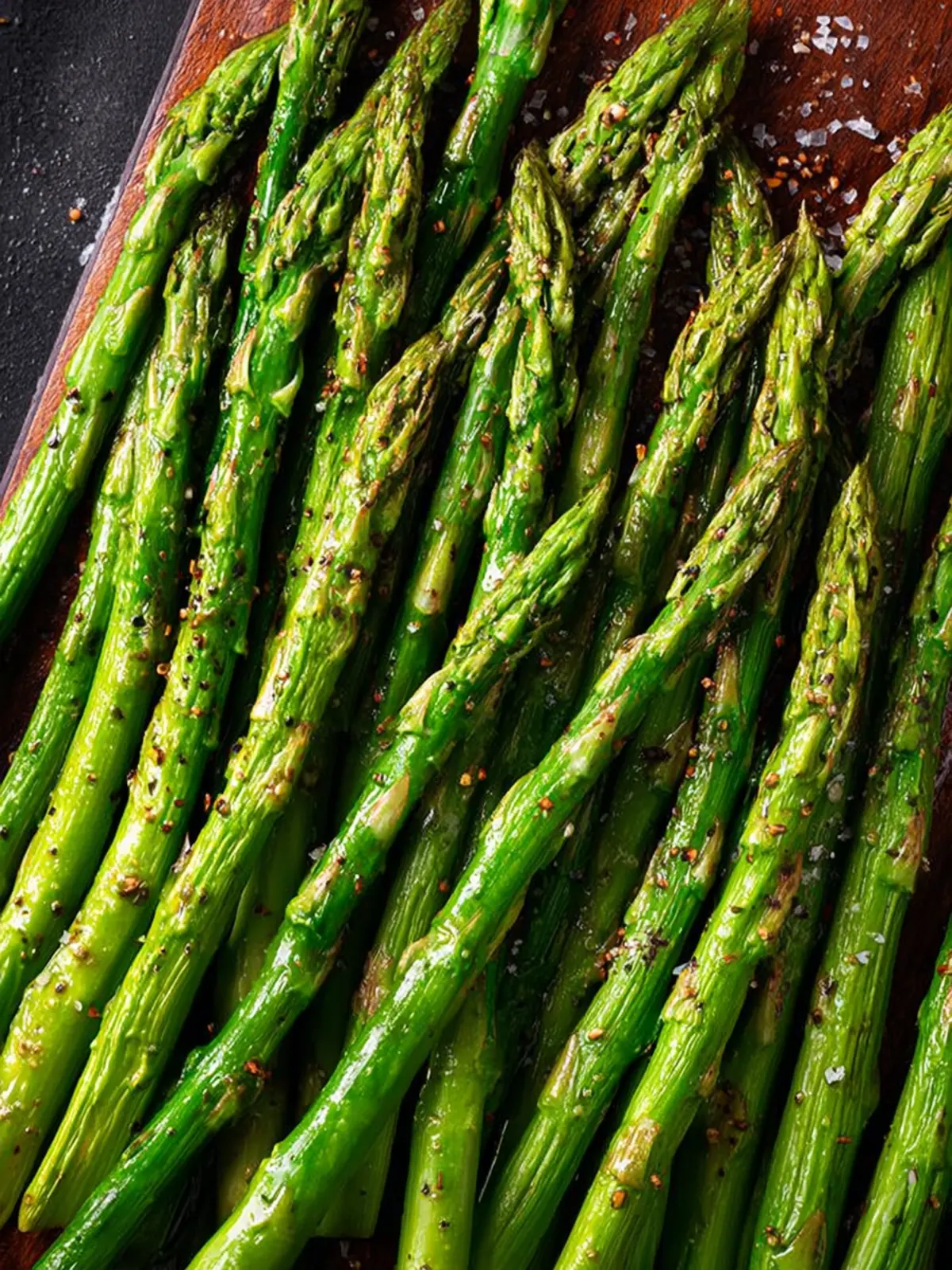
Roasting asparagus can elevate this humble vegetable into a culinary delight. With just a few simple techniques, you can discover how to roast asparagus to perfection, creating a dish that’s not only nutritious but also bursting with flavor.
Choose the Right Asparagus
When selecting asparagus, look for vibrant green stalks that are firm and straight. Thin spears are tender and cook quickly, while thicker ones are more robust with a hearty bite. Freshness matters, so if you can, buy local or visit a farmers’ market.
Preheat Your Oven
Make sure your oven is hot enough before roasting. Aim for at least 425°F (220°C) for that ideal crispiness. A hot oven ensures the asparagus cooks evenly and develops a beautiful caramelized surface.
Use Quality Olive Oil
A generous drizzle of extra virgin olive oil not only prevents sticking but also enhances flavor. Aim for a light coating—enough to make the asparagus glisten but not so much that it pools on the baking sheet.
Season Generously
Don’t skimp on seasoning! A sprinkle of sea salt and freshly cracked black pepper goes a long way. You can also experiment with garlic powder, lemon zest, or a dash of red pepper flakes for an extra kick.
Don’t Overcrowd the Pan
For the best results, give your asparagus room to breathe on the baking sheet. Overcrowding can lead to steaming instead of roasting, so spread them out in a single layer.
By following these tips, you’ll be well on your way to mastering how to roast asparagus, transforming it into a delightfully crispy and flavorful side dish that will impress your guests or simply make your dinners more enjoyable.
Time Details for Roasting Asparagus
Roasting asparagus is an art that blends simplicity with wholesome flavors, bringing out the vegetable’s natural sweetness. Here’s a breakdown of the time needed to enjoy your perfectly roasted asparagus.
Preparation time
In just 10 minutes, you can clean, trim, and season your asparagus. This quick prep ensures maximum freshness and flavor in your dish.
Cooking time
Roasting asparagus takes about 15 to 20 minutes at 400°F. This cooking method enhances its texture while keeping those vibrant colors intact.
Total time
From start to finish, you’re looking at 25 to 30 minutes for this delightful side dish. Dive into this quick and healthy recipe and enjoy the vibrant taste of roasted asparagus in no time!
Nutritional Information for Roasting Asparagus
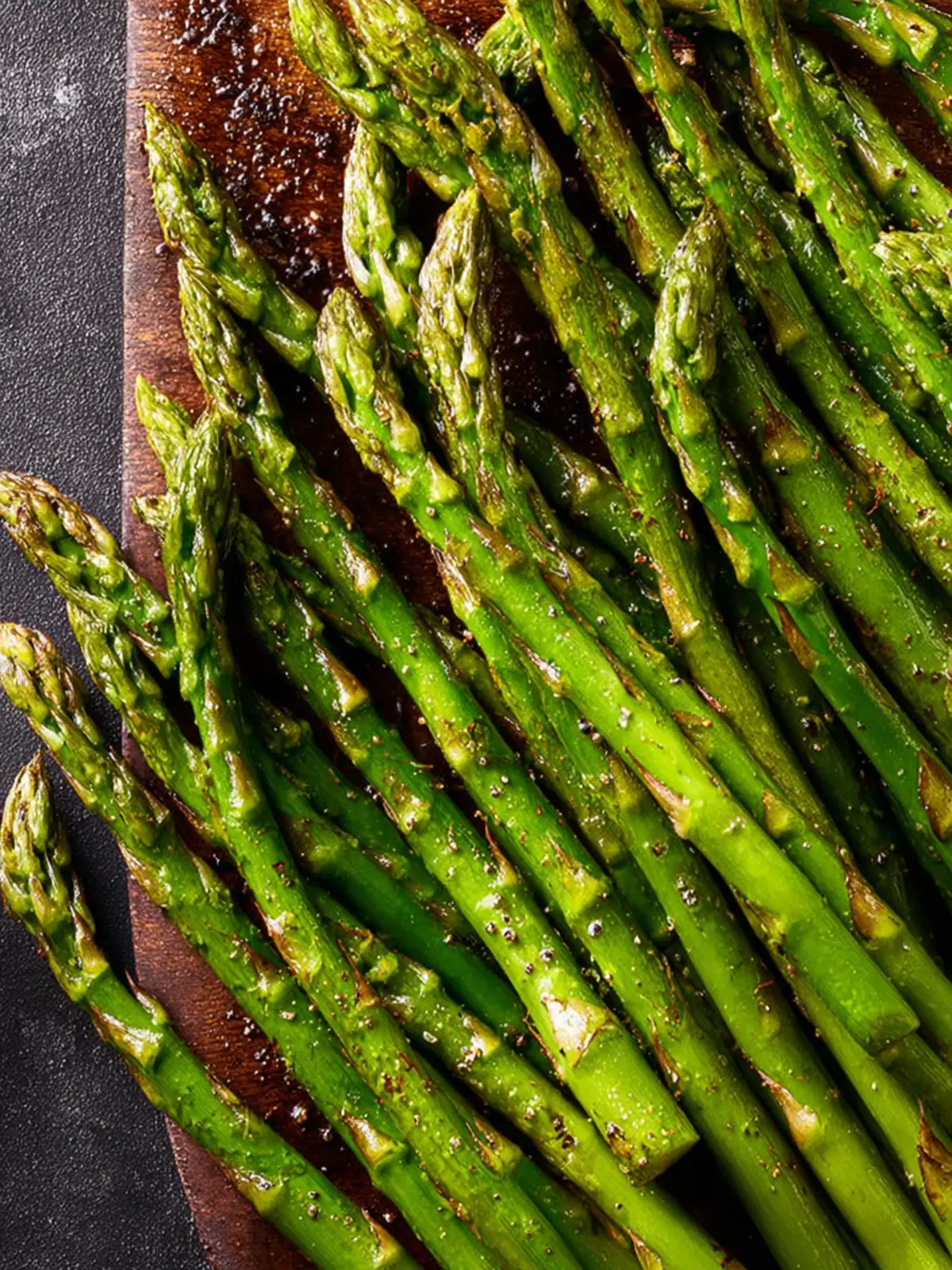
Roasting asparagus is not just a delicious way to enjoy this vibrant vegetable; it’s also packed with nutrition to fuel your day. Let’s break down the key nutritional information for roasting asparagus that you might find helpful.
Calories
In a typical serving of roasted asparagus (approximately 100 grams), you’re looking at around 20 calories. Light and low in calories, this side dish can fit seamlessly into any diet plan.
Protein
Asparagus is not only low in calories, but it also provides a modest amount of protein, offering about 2.2 grams per 100 grams. While it’s not a protein powerhouse, it contributes to your overall daily intake.
Sodium
When you roast asparagus, you generally want to keep things simple, and many recipes will suggest minimal added sodium. A serving can contain about 2-5 mg of sodium, especially if you don’t add extra salt. This makes roasted asparagus heart-healthy and a wise choice for those watching their sodium intake.
Incorporating delicious roasted asparagus into your meals not only enhances flavor but also adds a variety of nutrients to your plate!
FAQs about Roasting Asparagus
Roasting asparagus is a delightful way to enhance its natural flavors while adding a crispy texture that is simply irresistible. As you gather around for a meal, the vibrant green spears have a way of elevating any dish. To help you get the most out of your roasted asparagus adventure, here are some frequently asked questions.
How do I know when asparagus is done roasting?
Perfectly roasted asparagus should be tender yet slightly crisp, typically taking around 12 to 15 minutes at 425°F (220°C). Look for vibrant green color and lightly charred edges. If you want to be certain, a quick taste test will tell you everything; the asparagus should have a slight snap when you bite into it.
Can I roast asparagus in advance?
Absolutely! Roasting asparagus in advance can save you time during busy weeknights. After roasting, allow it to cool down, then store it in an airtight container. It can be refrigerated for up to three days. When you’re ready to enjoy it again, simply reheat it in the oven or skillet to help maintain that delightful texture.
What are some creative seasonings I can use?
Experimenting with seasonings can really transform your roasted asparagus. Here are a few ideas to get your creative juices flowing:
- Lemon Zest and Garlic: Add a fresh kick with lemon and the aromatic warmth of garlic.
- Balsamic Glaze: Drizzle it for a sweet, tangy finish that’s hard to resist.
- Parmesan Cheese: Sprinkle some grated Parmesan during the last few minutes of roasting for a cheesy crust.
- Red Pepper Flakes: If you like a little heat, sprinkle red pepper flakes before roasting.
With these tips in hand, roasting asparagus will become a delightful staple in your culinary repertoire!
Conclusion on Roasting Asparagus
Roasting asparagus is a game-changer for both its delicious flavor and simple preparation. As you explore how to roast asparagus, remember that the key lies in choosing fresh and vibrant spears; their natural sweetness shines through when roasted. After seasoning, simply let your oven do the magic—transforming ordinary asparagus into a crisp and tender delight. Whether paired with protein or tossed into a salad, roasted asparagus adds a touch of elegance to any meal. So, the next time you’re planning dinner, consider this versatile veggie as your star ingredient! Enjoy the process, and happy roasting!
Print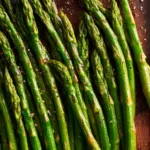
Roasted Asparagus
- Total Time: 25 minutes
- Yield: 4 servings 1x
- Diet: Vegetarian
Description
Deliciously roasted asparagus spears seasoned to perfection.
Ingredients
- 2 pounds thin to medium asparagus spears (tough ends trimmed)
- 1 tablespoon olive oil
- 1/2 teaspoon garlic powder (optional)
- salt & pepper (to taste)
- fresh lemon juice and grated parmesan (optional for serving)
Instructions
- Preheat oven to 400°. Lightly grease a rimmed sheet pan.
- Place asparagus on the prepared sheet pan and season with olive oil, garlic powder, salt and pepper. Make sure to toss it well, then spread in a single layer.
- Roast the asparagus for 10-15 minutes, or until tender and starting to get lightly browned at the ends.
- Drizzle with lemon juice and sprinkle with parmesan cheese just before serving, if you like.
Notes
- Adjust seasoning to your taste.
- For a more robust flavor, add more garlic or parmesan.
- Prep Time: 10 minutes
- Cook Time: 15 minutes
- Category: Vegetables
- Method: Roasting
- Cuisine: American
Nutrition
- Serving Size: 1 cup
- Calories: 120
- Sugar: 2g
- Sodium: 150mg
- Fat: 8g
- Saturated Fat: 1g
- Unsaturated Fat: 7g
- Trans Fat: 0g
- Carbohydrates: 10g
- Fiber: 4g
- Protein: 4g
- Cholesterol: 0mg
