

Introduction to How To Knead Dough
The art of kneading dough is like a beautiful dance between flour and water, a process that transforms basic ingredients into something magical. Learning how to knead dough is essential to achieving that perfect texture and flavor in your favorite baked goods. Whether you’re whipping up a batch of homemade bread or crafting delicious pizza dough, kneading is the step that ensures your dough has the strength and elasticity to rise beautifully.
Kneading dough is all about developing gluten, the natural protein found in wheat flour that gives bread its chewy texture. Without proper kneading, your dough may turn out dense and flat, lacking the delightful airiness we all crave in freshly baked goods. Think of it this way: when you give your dough a good knead, you’re building a framework that allows gases produced by yeast to get trapped, leading to that lovely rise. This is why kneading is often considered an essential step in the baking process.
But why does it matter? Imagine the smell of freshly baked bread wafting through your home, that inviting aroma drawing friends and family to the kitchen. The texture of your bread is equally important. A good knead ensures you achieve that soft, airy crumb with a crust that’s just the right amount of crunch.
When learning how to knead dough, there are a few key techniques to master:
-
The Push and Fold Method: Use the palms of your hands to push the dough away, then fold it back over itself. This rhythmic motion will efficiently develop the gluten.
-
Kneading Surface: Choose a clean, floured surface where the dough can stretch without sticking. This will make the kneading process smoother and more enjoyable.
-
Consistency Check: After about 8-10 minutes of kneading, your dough should feel smooth and elastic. If it sticks excessively to your hands, a little more flour can help you along.
Now that we’ve set the stage for our dough journey, let’s dive deeper into the specifics and get those hands working!
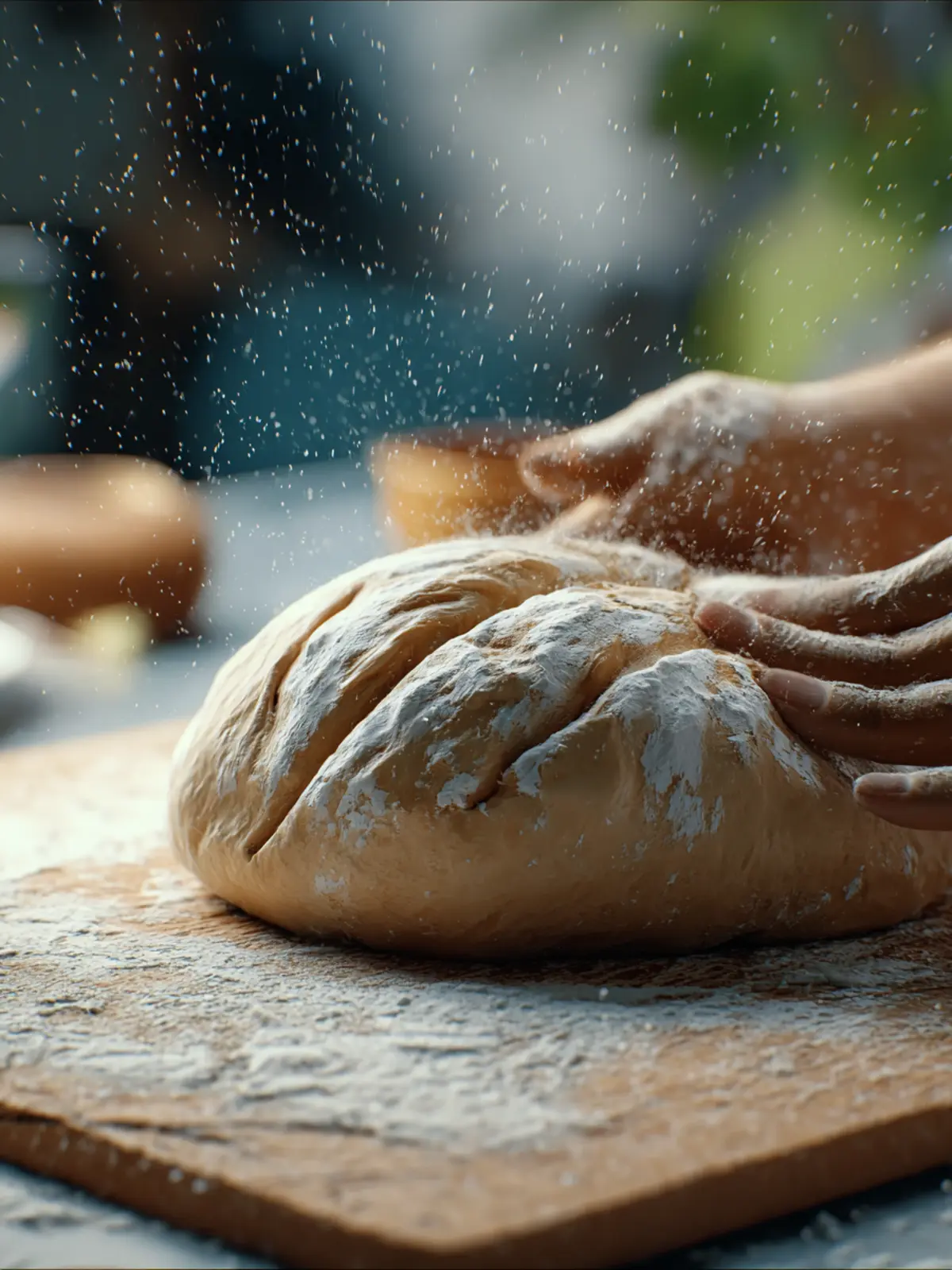
Key Ingredients for How To Knead Dough
Flour: The star of any dough, I recommend using high-quality all-purpose flour. It has the right balance of protein to create gluten, which gives our dough its strength and chewiness. For a unique twist, you can experiment with bread flour, which has a higher protein content and yields a chewier result.
Water: Hydration is crucial for kneading. I use room temperature water to activate the yeast while helping the dough achieve the perfect consistency. It also promotes gluten development, essential for elasticity.
Yeast: Fresh yeast is my go-to for a light and airy dough. If you’re using dry yeast, ensure it’s active by proofing it in warm water with a pinch of sugar. This simple step guarantees that your dough will rise beautifully.
Salt: Not just for flavor, salt strengthens the gluten structure, enhancing texture and taste. I prefer using fine sea salt as it evenly distributes throughout the dough.
Fat: Adding a bit of olive oil or melted butter during kneading not only enriches the flavor but also keeps the dough tender. It’s a little secret I always share with friends when they want to elevate their bread-making skills.
Why You’ll Love This Dough Kneading Technique
Learning how to knead dough is a game-changer for anyone passionate about baking. This technique transforms your ingredient mix into a smooth and elastic dough, which is crucial for artisanal breads and pastries. Imagine the satisfaction of pulling a perfectly risen loaf from the oven, its crust golden and crunchy, while the interior is soft and pillowy. But here’s the kicker: with the right kneading method, that dream can easily become your reality.
One of the top reasons to embrace this technique is its simplicity. You don’t need any fancy equipment—just your hands and a clean surface. Kneading manually allows you to connect with the dough, understanding its texture and elasticity. Plus, the rhythmic motion can be quite therapeutic, offering a moment to unwind and focus on the task at hand.
Additionally, mastering this method improves your baking outcomes significantly. It develops gluten, which is essential for creating that perfect airy structure. When you incorporate this kneading technique into your routine, you’ll not only elevate your baking skills but also gain a deeper appreciation for the art of dough-making. So roll up your sleeves, and get ready to discover the joys of kneading!
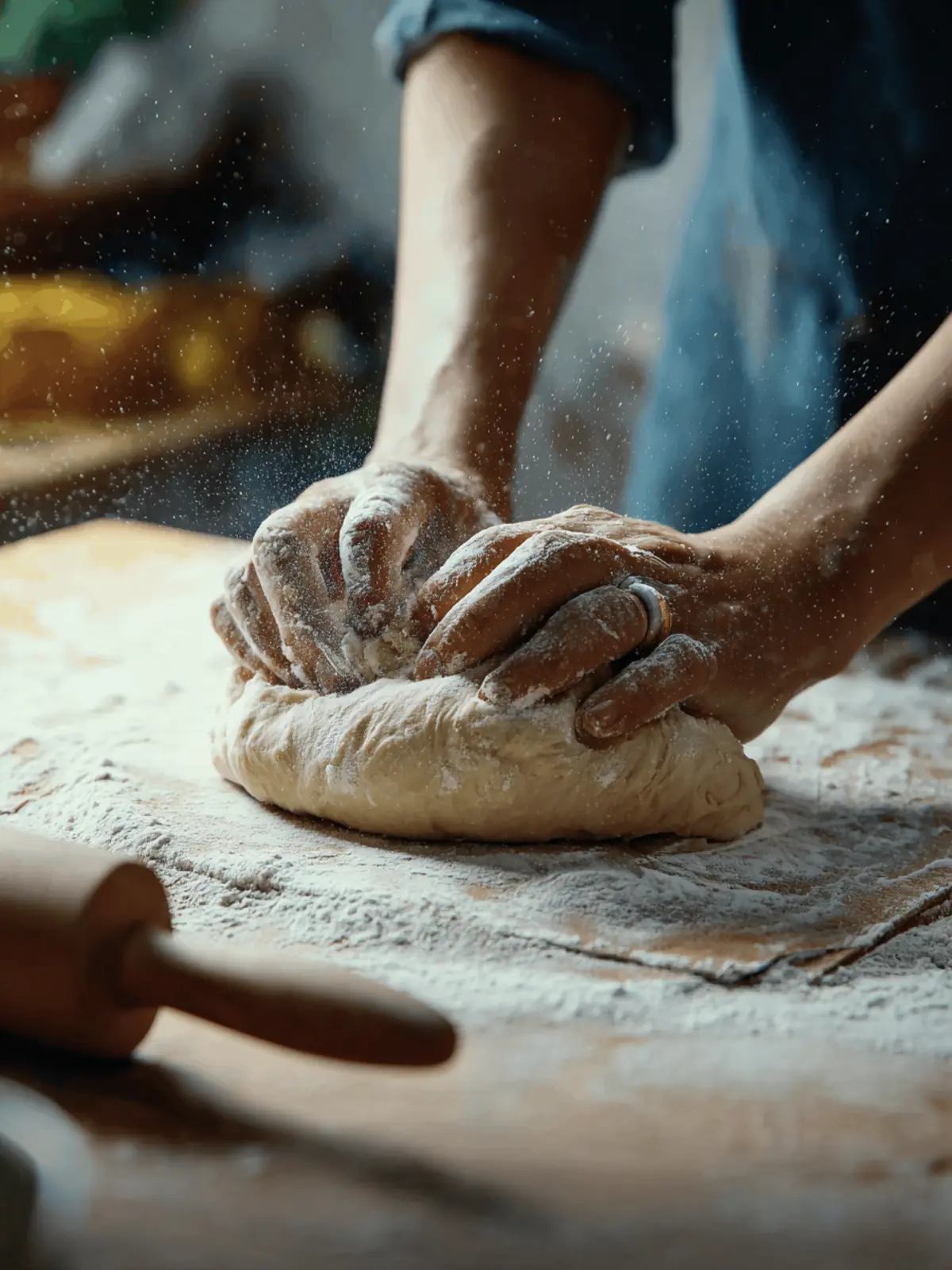
Variations on Kneading Techniques
Kneading dough is more than just a task; it’s a dance between your hands and the ingredients, transforming a simple mixture into something extraordinary. While every baker has their own approach to how to knead dough, exploring different techniques can add a unique touch to your bread-making journey.
Alternative methods for kneading dough
If traditional hand-kneading isn’t your style, there are some alternatives worth exploring:
-
Folding Technique: Instead of kneading, you can stretch and fold the dough in the bowl every 30 minutes for a few hours. This method enhances gluten development without the physical effort.
-
No-Knead Bread: Just mix your ingredients and let them rise for an extended period. This method often uses wet doughs which create a distinct texture and flavor with less hands-on time.
Benefits of using a stand mixer
Using a stand mixer can revolutionize your bread-making experience. The stand mixer allows you to knead dough efficiently without tiring your arms. It automates the process, letting you multitask with other parts of your recipe or simply enjoy a well-deserved break! Just be cautious about over-mixing; aim for a smooth, elastic dough that passes the windowpane test. Ultimately, choosing the right technique often comes down to personal preference, but it’s this variety that makes baking a delightful adventure.
Tips and Notes for Perfectly Kneaded Dough
Kneading dough is an essential step in crafting that perfect loaf or batch of rolls. However, knowing how to knead dough effectively requires awareness of common pitfalls and recognizing when your dough is just right.
Common Mistakes to Avoid
While kneading may seem straightforward, a few missteps can lead to disappointing results. Here are some mistakes to sidestep:
- Kneading Too Little: Not developing the gluten sufficiently means your bread won’t rise properly. Aim for at least 8-10 minutes of kneading.
- Kneading Too Much: Overworking dough can lead to a tough texture. If it feels too elastic and hard to shape, you’ve likely gone too far.
- Ignoring Hydration: If your dough is too dry, it will be difficult to work with. Ensure you follow the hydration levels in your recipe for the best outcome.
Signs Your Dough Is Ready
Understanding when dough is ready for the next step can make all the difference. Look for these indicators:
- Smooth Texture: Properly kneaded dough should feel smooth and elastic, not tacky or dry.
- Poke Test: Gently poke the dough; if it springs back, it’s ready to rise.
- Windowpane Effect: Pull a piece of dough apart—if it stretches without tearing, you’re in business!
By avoiding common errors and recognizing the signs that indicate readiness, you’ll master the art of kneading and set yourself up for delicious baked goods.
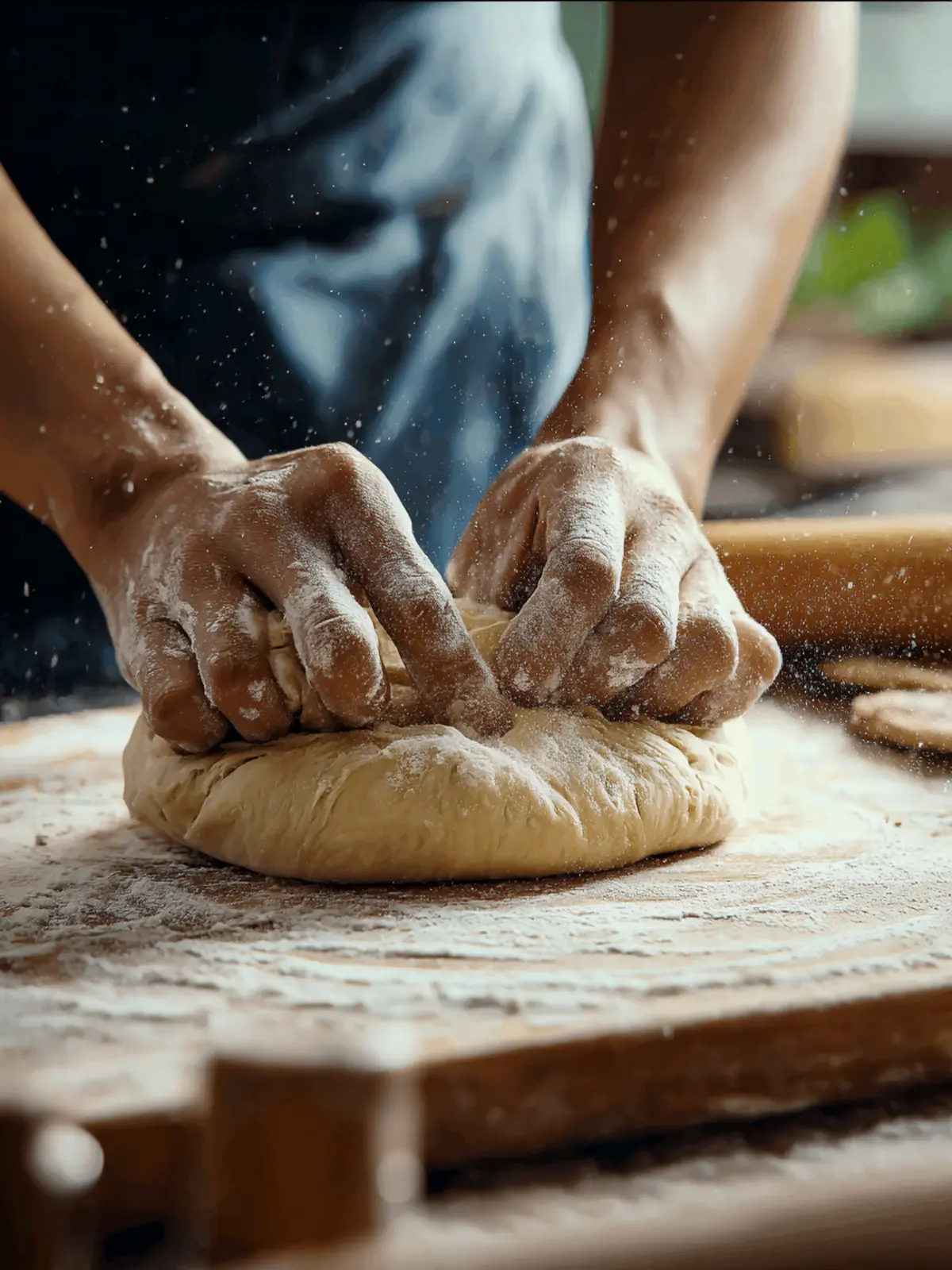
Serving Suggestions for Your Homemade Bread
Creating your own homemade bread is just the beginning of a delightful culinary adventure! After you’ve perfected your kneaded dough, the possibilities for using that flavorful loaf are practically endless.
Creative ways to use your kneaded dough
Your freshly kneaded dough can serve as a versatile foundation for many dishes. Consider making:
- Savory bread rolls: Stuff them with cheese or herbs for a delightful appetizer.
- Mini pizzas: Roll out the dough and top with your favorite ingredients for a quick meal.
- Garlic knots: Tie pieces of dough into knots, brush with butter, and sprinkle garlic for a tasty side dish.
Best accompaniments for fresh bread
Pair your bread with these simple yet delicious accompaniments:
- Olive oil and balsamic vinegar: A classic for dipping.
- Homemade jam: Sweetened fruit preserves can complement the warmth of your bread.
- Herbed butter: Mix room temperature butter with herbs like rosemary or thyme for a flavorful twist.
No matter how you serve your homemade bread, you’re sure to impress friends and family with your creativity!
Time Breakdown for Kneading Dough
Making your own bread at home can be a rewarding experience, especially when you grasp how to knead dough effortlessly. Understanding the time involved in the process can make it smoother, allowing you to enjoy homemade bread without feeling rushed.
Preparation time
Before kneading begins, set aside about 10 to 15 minutes for preparation. This includes measuring your ingredients and mixing the dough to achieve that perfect consistency.
Kneading time
Once you start kneading, you’ll want to dedicate approximately 10 minutes to this crucial step. A good vigorous knead will develop that gluten, making the dough lovely and elastic.
Total time
In total, from preparation to kneading, you’re looking at around 20 to 25 minutes to get everything ready. This brief investment will lead to delightful, homemade bread that you can be proud of!
Nutritional Facts for Homemade Bread
When you finally learn how to knead dough and bake a loaf of homemade bread, you’re not just enjoying a labor of love; you’re also savoring a nutritious addition to your table. Knowing the nutritional facts can be quite rewarding.
Calories per serving
Each slice of homemade bread typically contains around 80-100 calories. The specific number can vary based on the ingredients used, but this range keeps things manageable while you enjoy your baking.
Protein content
Homemade bread packs in a decent amount of protein, usually around 3 grams per slice. Whole grain flours will up this count, making your bread not just tasty, but also more filling and nutritious.
Carbohydrates
A standard slice has approximately 15-20 grams of carbohydrates. This makes it a great energy source, especially when you’re on the go. Just be mindful of your portion sizes, as it’s easy to indulge in those delicious slices!
Baking your own bread means you have control over the ingredients, allowing you to tailor the nutritional profile to fit your lifestyle. Happy baking!
FAQs about Kneading Dough
Kneading dough is an essential technique in creating that perfect loaf of bread or batch of pizza crust, shaping your ingredients into a beautiful culinary creation. To ease any uncertainties, here are some frequently asked questions that clarify the art of kneading dough.
What is the purpose of kneading dough?
Kneading dough serves important functions. It develops gluten, which provides the elasticity and structure that allow your bread to rise properly. The process also helps ensure an even distribution of ingredients, leading to a more consistent texture and flavor in the final product.
Can I knead dough without a mixer?
Absolutely! Kneading dough by hand can be a therapeutic activity. Simply flour your work surface and your hands, then push, fold, and stretch the dough using the palms of your hands. It may take longer than with a mixer, but it allows you to develop a deeper connection with your food.
How long should I knead the dough?
Typically, kneading by hand takes about 8 to 10 minutes. If you’re using a mixer, it usually requires about 5 to 7 minutes on a medium speed. The goal is to achieve a smooth, elastic texture, making sure not to rush the process.
How do I know when my dough is ready?
A simple test is the “windowpane test.” Take a small piece of dough and stretch it gently. If it forms a thin, translucent membrane without tearing, your dough is ready! You can also check for a smooth, elastic feel and slight springiness when gently pressed.
Understanding these aspects of kneading dough will empower you to create delicious baked goods with confidence!
Conclusion on Kneading Dough
To master the art of kneading dough, you’ve not only engaged your muscles but also your senses, creating a tactile experience that can be truly rewarding. With each push and fold, you bring your ingredients together, developing that perfect texture essential for amazing breads and pastries. Remember, the secret lies in the timing—too little kneading yields a dense loaf, while too much can result in tough bread. Trust your instincts and enjoy the process. After all, kneading is a labor of love that leads to delicious, home-baked creations. Keep experimenting and savoring every bite of your efforts!
Print
Yeast Dough
- Total Time: 15 minutes
- Yield: 1 batch 1x
Description
A versatile and essential yeast dough recipe for various baking projects.
Ingredients
- 1 batch yeast dough
- 1 – 2 tablespoons flour for dusting surface (if needed)
Instructions
- Lightly flour a clean countertop. Place the dough onto the surface.
- Using the heel of your hand, push the dough away from you in one smooth motion.
- Fold the dough back over itself toward you.
- Rotate the dough a quarter turn.
- Repeat the push, fold, and turn motion for 8–12 minutes, or until the dough becomes smooth and elastic.
- Test the dough using the windowpane test. Stretch a small piece of dough between your fingers. If it stretches thin without tearing, it is properly kneaded.
- Attach the dough hook to your mixer. Mix the dough on medium-low speed.
- Knead for 5–8 minutes (or as directed by the recipe), stopping occasionally to check the texture. The dough should pull away from the sides of the bowl and feel soft and elastic.
- Perform the windowpane test to confirm gluten development.
Notes
- This dough can be used for a variety of baked goods, such as bread, rolls, and pizza crusts.
- Ensure all ingredients are at room temperature for proper mixing.
- Prep Time: 15 minutes
- Category: Baking
- Method: Mixing and kneading
- Cuisine: American
Nutrition
- Serving Size: 1 roll or pizza crust
