
Introduction to Gremolata
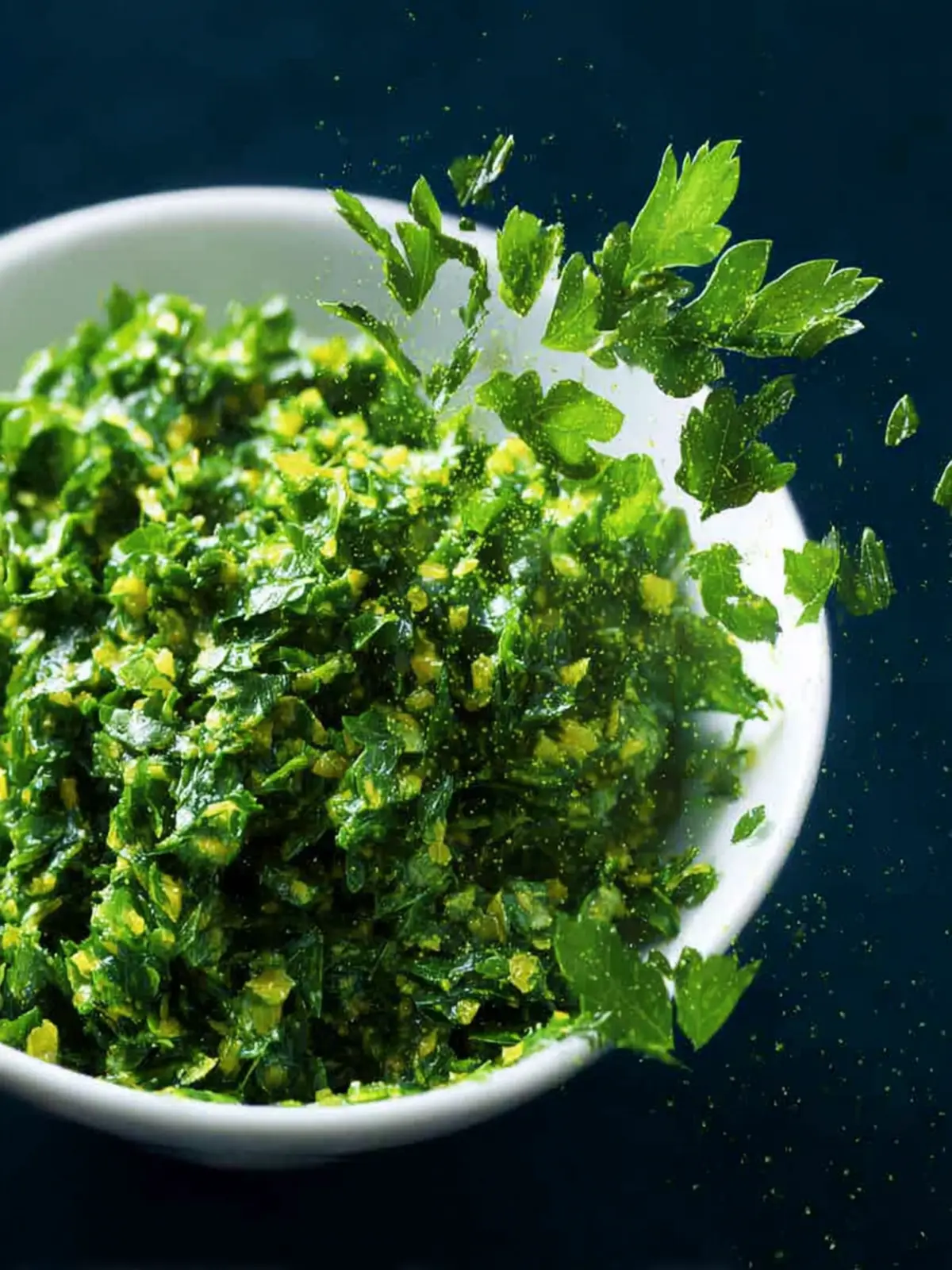
Gremolata is more than just a condiment; it’s a vibrant flavor enhancer that’s deeply rooted in Italian culinary tradition. Originating from the culinary haven of Milan, this zesty mixture of parsley, garlic, and lemon zest elevates even the simplest dishes, breathing new life into everyday meals. As we explore this delightful ingredient, you’ll see how gremolata can transform your cooking from ordinary to extraordinary.
What’s the story behind Gremolata?
The origins of gremolata can be traced back to Milanese cuisine, where it was traditionally served with osso buco, a slow-cooked veal shank dish. This fresh, raw condiment shines brilliantly against the rich and hearty flavors of the dish, accentuating its savory notes with a burst of acidity and freshness. It’s fascinating how such a simple combination can capture the essence of Italian cooking, where quality ingredients and balance are key.
Gremolata is not simply a garnish; it embodies the ethos of Italian cooking that values fresh, natural flavors. The parsley adds a touch of earthiness, the garlic infuses warmth and depth, and the zest of lemon elevates it with a bright, citrusy punch. This trifecta of ingredients encourages you to experiment; whether you’re dressing a bowl of pasta, sprinkling it over grilled vegetables, or using it as a finishing touch for meats, gremolata is versatile and easy to adapt.
It’s a staple that allows home cooks to reconnect with their food and appreciate the balance of flavors. Beyond its delicious taste, making gremolata can be a joyful and engaging experience. Picture yourself finely chopping fresh herbs, the aroma filling your kitchen, and you’ll quickly realize that cooking is as much about the process as it is about the results.
So why not incorporate this delightful mixture into your meals? With just a few simple ingredients, you can jazz up your cooking while embracing a bit of Italian flair. Dive into the world of gremolata and discover how it can not only enhance your dishes but also add a personal touch to your culinary journey.
Key Ingredients for Gremolata
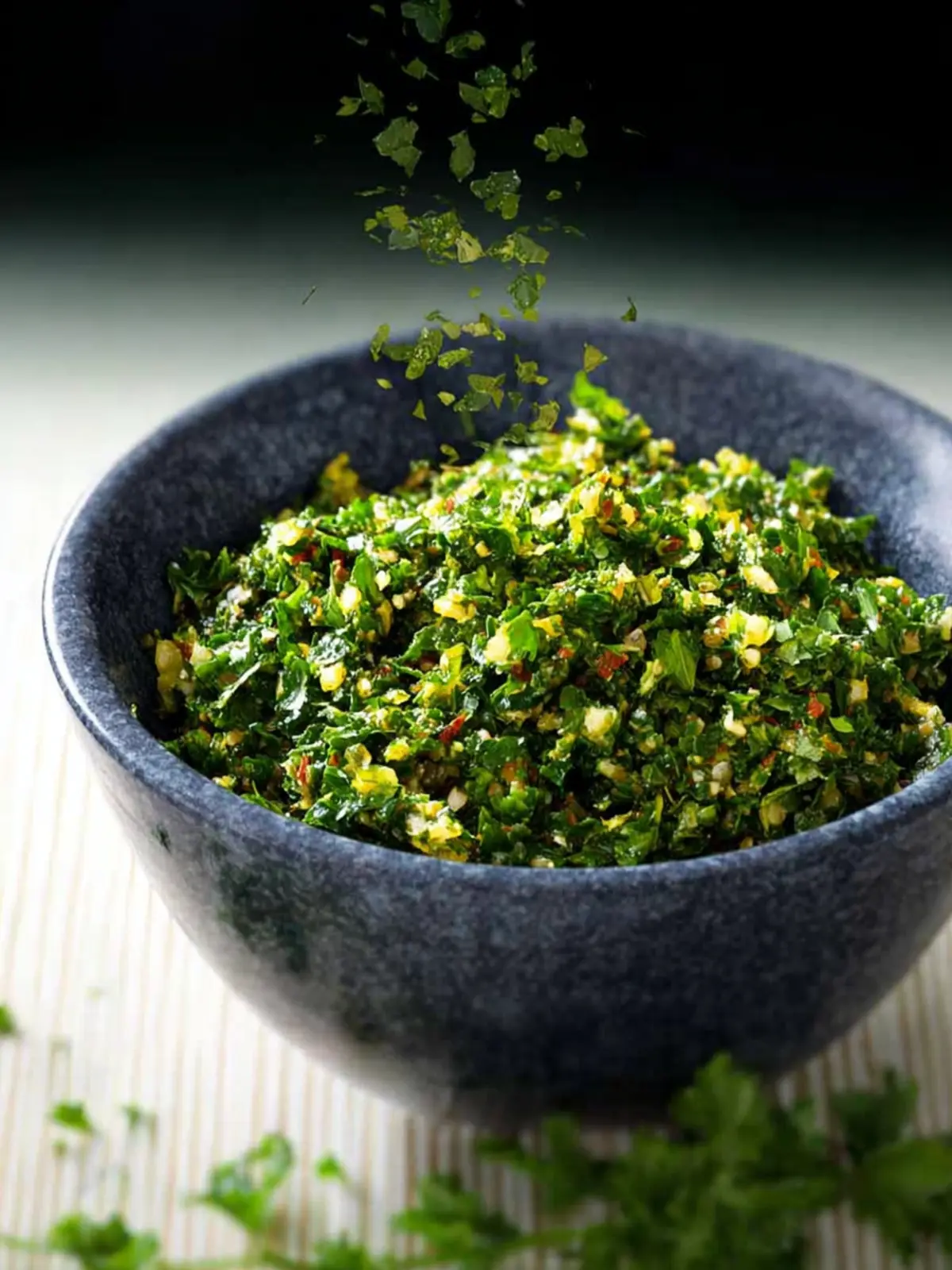
Gremolata, a lively and aromatic condiment, brightens up any dish it graces. Crafted from simple, fresh ingredients, it embodies the essence of Italian cuisine.
Fresh Parsley
First and foremost, you can’t have true gremolata without fresh parsley. I prefer flat-leaf parsley for its robust flavor, which adds a vibrant touch to the mix. Be sure to chop it finely; the texture plays a big role in how the ingredients meld together.
Garlic
Next, we add garlic, a staple in so many culinary traditions. Using fresh garlic is vital for that sharp yet savory kick. Just a clove or two, minced finely, will infuse your gremolata with depth and warmth.
Lemon Zest
Lemon zest rounds off the ingredient list, offering bright citrus notes. I love grating only the yellow part of the skin—this captures the oils without the bitterness of the pith. The lemon zest brings a refreshing element that perfectly balances the richness of meats or fish.
Olive Oil
Lastly, a drizzle of high-quality olive oil helps bind everything and adds a smooth finish. It not only enhances the flavor but also complements the fresh ingredients beautifully.
By combining these essential components, your gremolata will be a zesty, aromatic masterpiece ready to elevate any dish!
Why You’ll Love This Gremolata
The magic of gremolata lies in its vibrant freshness, transforming any dish into a culinary delight. This zesty condiment, traditionally hailing from Italian cuisine, is a simple yet powerful blend that can take your meals to the next level. Picture it: a drizzle atop grilled chicken, mixed into pasta, or even brightening up a hearty soup. The way it elevates flavors is nothing short of remarkable.
A Burst of Freshness
What makes gremolata truly special is its use of fresh ingredients. The classic combination of parsley, lemon zest, and garlic creates a refreshing contrast that’s both bold and invigorating. Each bite promises an explosion of flavor that’s naturally uplifting.
- Versatility: You can easily adapt this gremolata to suit various dishes, whether you’re cooking Italian, Mediterranean, or just want to enhance your everyday meals.
- Easy to Prepare: Forget complicated recipes! This condiment comes together in minutes, making it perfect for busy weeknights or spontaneous gatherings.
Health Benefits
Not only does this gremolata add flavor, but it also contributes nutritional benefits. The parsley packs vitamins, while lemon zest offers a good dose of antioxidants. It’s a guilt-free way to enhance your meals, ensuring you’re not only eating well but feeling great too!
Ultimately, this gremolata is more than just a condiment; it’s an invitation to explore and enjoy the art of flavoring your favorite dishes. Your taste buds will thank you!
Variations of Gremolata
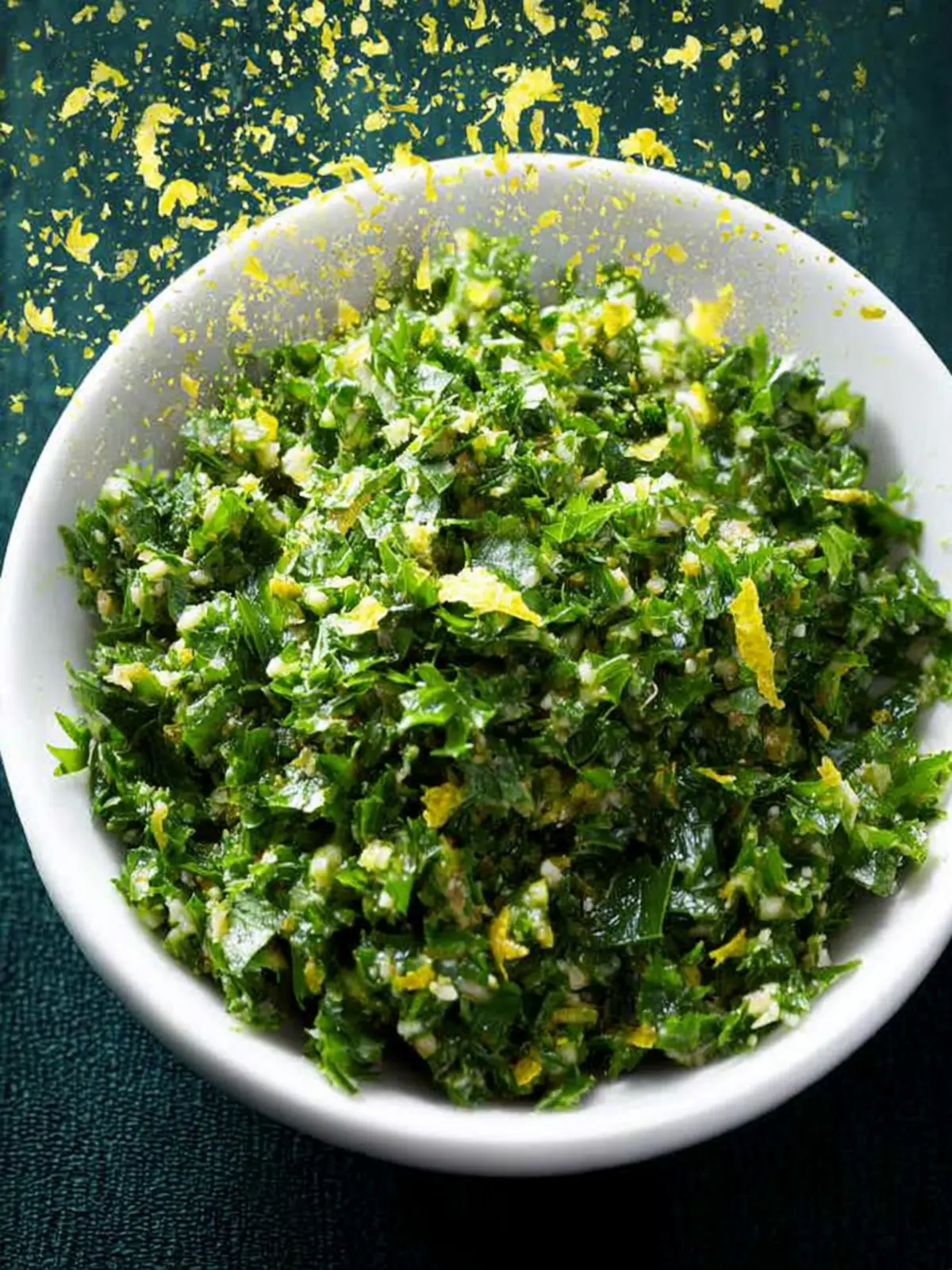
Gremolata, that zesty Italian herb condiment, is much more than a simple mixture of parsley, lemon zest, and garlic. It’s a vibrant element that can elevate a dish from ordinary to extraordinary. Just imagine a summer evening, grilling fresh fish, and serving it topped with a unique twist on gremolata—each variation creates a whole new flavor profile that surprises and delights your palate.
Herb Variations
While the traditional gremolata uses parsley, consider experimenting with other fresh herbs.
- Basil: This aromatic herb pairs beautifully with tomatoes and mozzarella, offering a sweet touch.
- Cilantro: For a more daring variation, cilantro-infused gremolata can brighten up a spicy shrimp dish.
Nutty and Fruity Additions
Add texture and complexity to your gremolata by incorporating nuts or dried fruits.
- Pine nuts: Toasted and blended into the mixture, they add a buttery richness.
- Dried apricots or figs: Finely chopped, they introduce a delightful sweetness that complements savory dishes.
Citrus Infusions
Switch up the citrus element to bring a different zing to your gremolata.
- Orange zest: Adds a fragrant, fresh twist that’s perfect for seafood.
- Lime zest: Works wonders in a summer salad, bringing a tropical essence.
With these variations in your culinary toolkit, gremolata can continue to inspire and elevate your dishes, turning every meal into a delightful adventure.
Cooking Tips and Notes for Gremolata
Creating the perfect gremolata is a delightful experience that blends fresh, vibrant flavors into a simple yet impactful condiment. Whether you’re using it to elevate a rich osso buco or enhancing grilled vegetables, a few tips can ensure your gremolata is as bright and refreshing as possible.
Selecting Fresh Ingredients
- Parsley: Opt for fresh, vibrant parsley with no wilted or yellow leaves. Flat-leaf parsley is preferred for its robust flavor; however, you can use curly parsley if that’s what you have on hand.
- Garlic: Fresh garlic cloves elevate the flavor significantly. Avoid pre-minced or jarred garlic, as they can introduce a different taste profile.
- Lemon Zest: Always choose organic lemons when zesting, as they’re less likely to have pesticide residues. Use a microplane for a fine zest that blends seamlessly into your gremolata.
Balancing Flavors
- Adjust the quantities of garlic and lemon to suit your taste. If you’re a garlic lover, feel free to add an extra clove, but be mindful not to overpower the delicate parsley.
- Consider experimenting with other ingredients, such as a pinch of red pepper flakes for heat or some chopped nuts for texture.
Creating an excellent gremolata is all about the balance of flavors, so don’t hesitate to adjust based on your preferences!
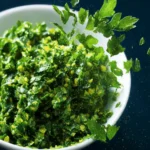
Gremolata
- Total Time: 10 minutes
- Yield: Serves 4
- Diet: Vegetarian
Description
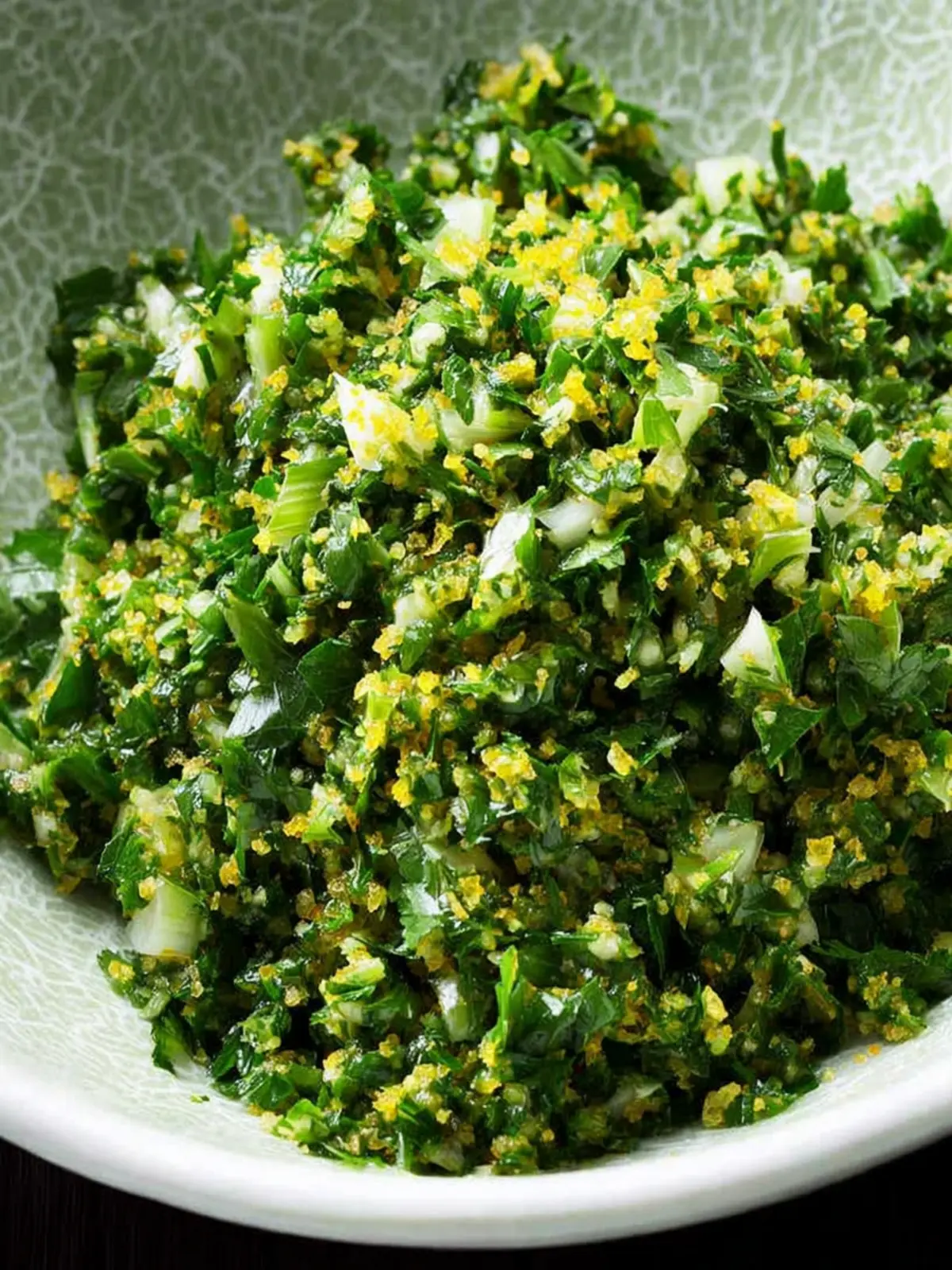
A fresh and zesty condiment perfect for enhancing the flavors of cooked fish, chicken, vegetables, and pasta.
Ingredients
- 1 fresh lemon, preferably organic
- 1/2 bunch fresh parsley, either flat Italian parsley or regular curly parsley
- 2 cloves garlic
- 1 T finely minced lemon peel
- 1/4 cup finely minced parsley
- 2 tsp. finely minced garlic
Instructions
- Using a very sharp vegetable peeler, peel the lemon, taking care not to get the white part that’s right under the peel. (Squeeze the lemon and freeze the juice.)
- Using your sharpest chef’s knife, finely mince the lemon peel until you have 1 tablespoon finely minced lemon peel.
- Wash the parsley if needed and spin dry with salad spinner, or dry with paper towels.
- Mince the parsley until you have 1/4 cup finely minced parsley.
- Smash the garlic cloves with the side of your knife to break them apart, then finely mince the garlic until you have 2 teaspoons finely minced garlic.
- Combine the finely minced lemon peel, parsley, and garlic in a small bowl.
- To use the Gremolata, just sprinkle over cooked fish, chicken, vegetables, pasta, or other foods.
Notes
- All proportions in this recipe are to taste, but these amounts are what Jake and I thought were just right.
- Prep Time: 10 minutes
- Cook Time: 0 minutes
- Category: Condiments
- Method: Raw
- Cuisine: Italian
Nutrition
- Serving Size: 1 tablespoon
- Calories: 15
- Sugar: 0
- Sodium: 1
- Fat: 0
- Saturated Fat: 0
- Unsaturated Fat: 0
- Trans Fat: 0
- Carbohydrates: 4
- Fiber: 0
- Protein: 0
- Cholesterol: 0
