
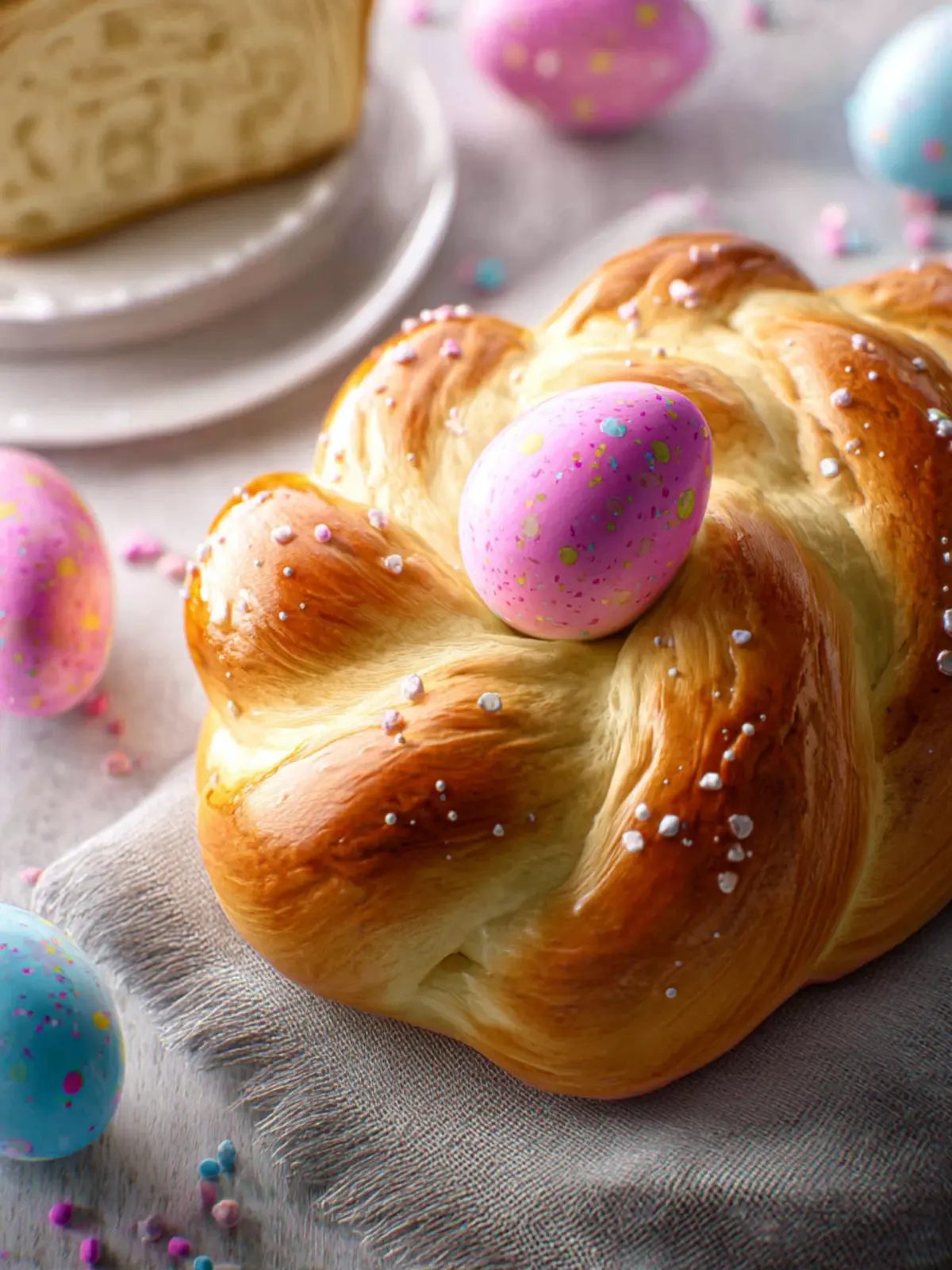
Introduction to Easter Egg Bread
Creating the perfect Easter Egg Bread is more than just baking; it’s about weaving together traditions, flavors, and the spirit of the season into a beautiful loaf that can brighten any table during Easter celebrations. Imagine fresh-baked bread, warm from the oven, surrounded by family, and laden with colorful eggs nestled in its soft embrace. This delightful bread not only serves as a centerpiece but also carries the rich symbolism of new life and rebirth—a motif deeply intertwined with Easter.
Making Easter Egg Bread brings with it a sense of nostalgia for many. Whether you’re recalling memories of baking with grandparents or enjoying a slice at holiday gatherings, this bread invites all to partake in its whimsical charm. The vibrant, dyed eggs baked into the dough aren’t just for decoration; they signify the joy and renewal of spring, making each bite a delicious reminder of the season’s blessings.
Moreover, the bread itself is delightfully sweet, enriched with flavors that evoke the warmth of home. It’s traditionally shaped into braids, symbolizing unity and togetherness—a fitting representation for family gatherings. As you handle the dough, you’ll find that the process is quite meditative; the tender kneading and careful braiding transform simple ingredients into something extraordinary.
What makes Easter Egg Bread special?
What sets Easter Egg Bread apart from other bread recipes is not just its eye-catching appearance, but also the ritual of creating it. Often enjoyed as a breakfast item or dessert, this bread is meant to be savored and shared.
- Cultural Significance: For many cultures, Easter Egg Bread is steeped in tradition and is often served during Easter brunch, symbolizing the end of Lent and the joy of Easter Sunday.
- Customizable Ingredients: Feel free to mix things up with unique flavorings and colorful toppings. From citrus zest to sprinkles, the possibilities are endless.
Each loaf becomes a canvas for your creativity, allowing you to infuse it with personal touches that make it uniquely yours. So, gather your ingredients and set aside some time to connect with friends or family through the art of bread-making. With every twist and turn, you’re not just crafting a loaf; you’re creating cherished memories that will last a lifetime.
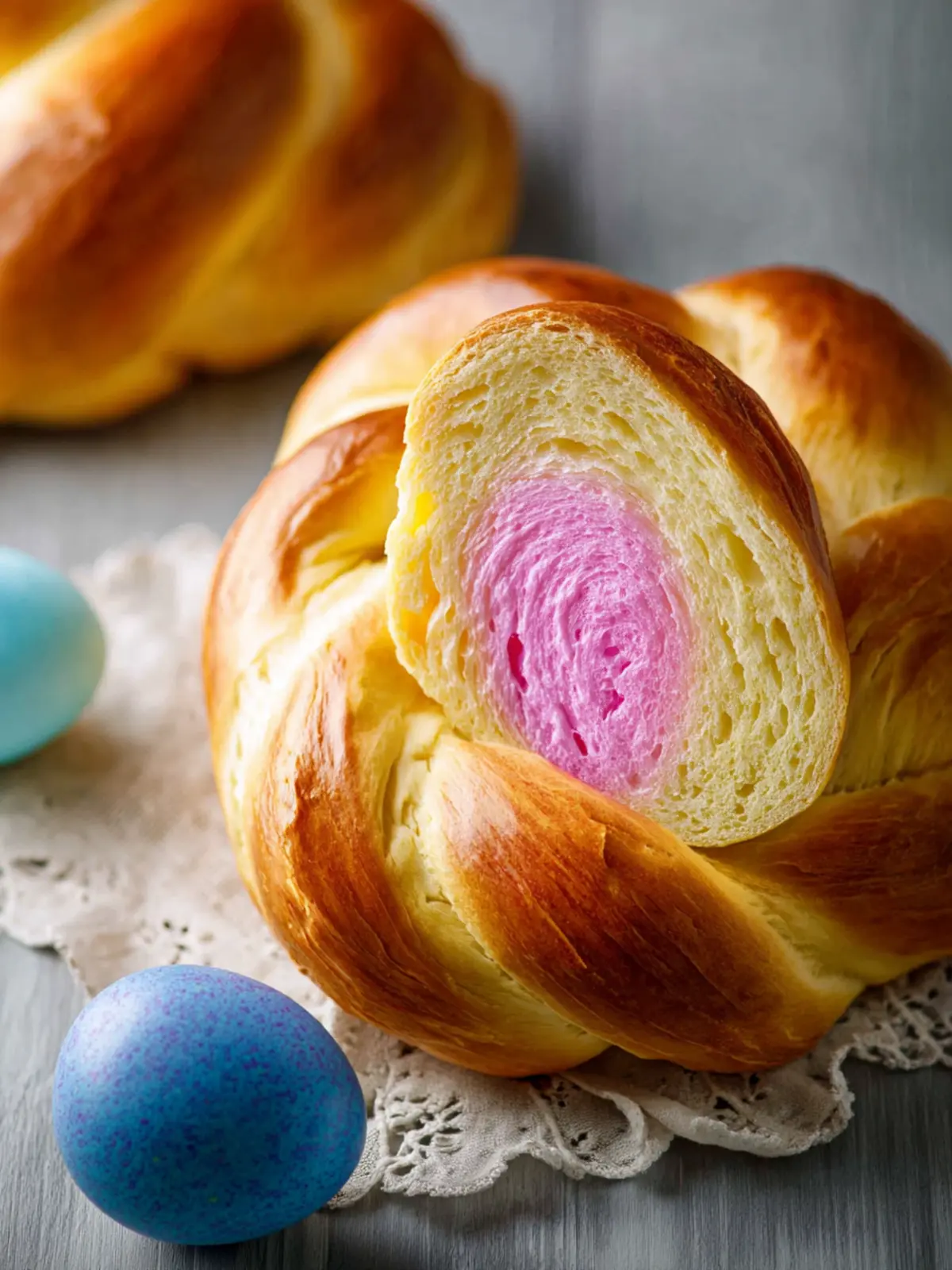
Key Ingredients for Easter Egg Bread
Crafting the perfect Easter Egg Bread is a delightful journey filled with fragrant flavors and colorful traditions. Each ingredient plays a pivotal role, contributing to the soft, rich texture and inviting aroma that makes this bread a holiday favorite.
-
Flour: Using all-purpose flour provides the backbone of your bread. It gives structure while allowing it to rise beautifully, creating that dreamy, fluffy texture everyone loves.
-
Yeast: Fresh yeast is key for that perfect rise. It ferments, creating bubbles that make the dough light and airy, allowing the bread to expand just right during baking.
-
Sugar: Granulated sugar adds sweetness and moisture. A little sugar in the dough helps feed the yeast, speeding up the rise and lending an irresistible golden crust.
-
Eggs: Eggs enrich the dough, providing color and enhancing the overall flavor. They’re also crucial for that lovely golden hue, complementing the vibrant colors of any Easter eggs you might add.
-
Butter: Melted butter not only adds richness but also contributes to the soft texture. It’s what takes this Easter Egg Bread from good to unforgettable.
-
Milk: Warm milk nourishes the yeast and makes the dough incredibly soft. It also adds a slight creaminess that enhances the flavor.
-
Salt: Just a pinch of salt balances the sweetness and enhances the overall flavor profile, ensuring that every bite is perfectly seasoned.
Remember, the magic happens when these ingredients come together! So, roll up your sleeves and get ready to create a beautiful Easter tradition that your loved ones will cherish.
Why You’ll Love This Easter Egg Bread
When you take a bite of Easter Egg Bread, it evokes a warmth that instantly transports you back to family gatherings and joyous celebrations. This bread isn’t just a recipe; it’s a delightful experience steeped in tradition and rich, mouthwatering flavors.
This flavorful bread stands out for several reasons:
-
Cultural Significance: Originating from various European traditions, Easter Egg Bread celebrates new beginnings—the essence of Easter. It’s often baked in intricate shapes and adorned with dyed eggs, symbolizing fertility and rebirth.
-
Perfect for Sharing: Whether you’re gathering with friends or inviting family over, there’s something gratifying about breaking bread together. The soft, pillowy texture makes it perfect for sharing during brunch or as a sweet snack throughout the day.
-
Customizable Flavors: This recipe allows for personal touches like adding cinnamon or vanilla to the dough. You can experiment with flavors that resonate with you and your loved ones, making every loaf a unique creation.
-
Visual Appeal: The vibrant eggs nestled in the golden crust make Easter Egg Bread an eye-catching centerpiece. It’s not just food; it’s art that brings beauty to your table.
With every slice, you’ll not only savor incredible flavors but also create lasting memories.
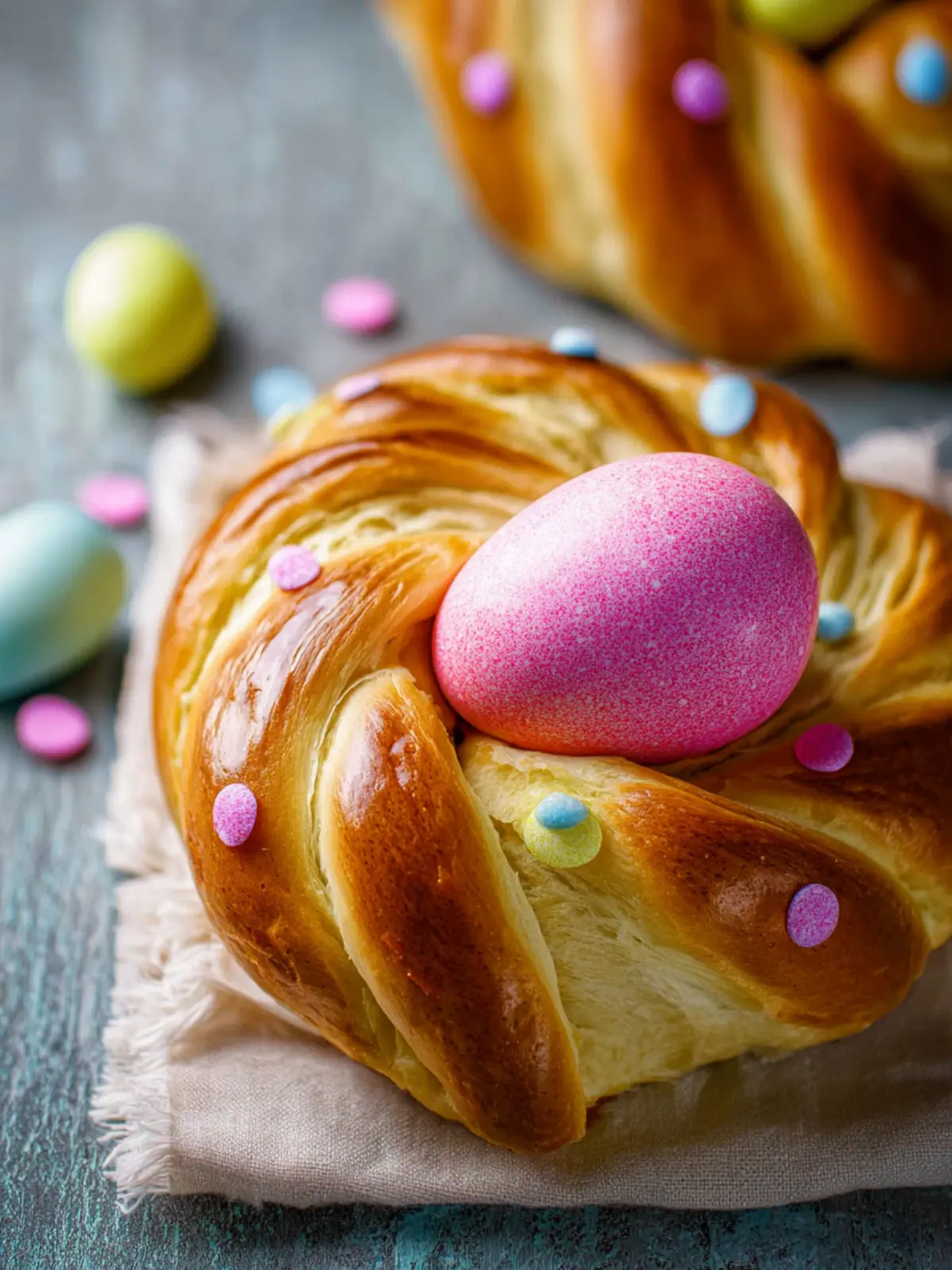
Tips for Making Perfect Easter Egg Bread
Creating Easter Egg Bread is not just a culinary challenge; it’s a heartwarming tradition that fills your kitchen with delightful aromas and creates cherished memories. To help you bake the perfect loaf, here are some tried-and-true tips that I’ve gathered over years of experimenting.
Choose Quality Ingredients
Using the best ingredients truly makes a difference. Opt for fresh eggs from a local farm if possible; their vibrant yolks elevate the rich flavors of the bread. Also, use high-quality butter and milk for that creamy, tender crumb.
Mind the Yeast
Activating your yeast properly is crucial. Always ensure your liquid isn’t too hot or cold, as that can kill the yeast or slow down its activity. A comfortable 110°F (43°C) is ideal for blooming your yeast, leading to a beautifully risen bread.
Knead with Care
Kneading isn’t just a workout for your arms; it develops gluten, giving your Easter Egg Bread that delightful chew. Aim for a smooth, elastic dough. Don’t rush this process—enjoy your time with it!
Let it Rise
Patience is your best friend when it comes to proofing. Allow your dough to double in size, which can take anywhere from an hour to two, depending on your environment. Warmer spaces help speed up this process, while colder areas slow it down.
Decorate Thoughtfully
When it’s time to add your colorful eggs, be gentle. Nestle them securely within the braid or bun, as this not only enhances the visual appeal but keeps them snug during baking.
By following these tips, your Easter Egg Bread will surely be a centerpiece that garners compliments and brings loved ones together. Happy baking!
Time Details for Easter Egg Bread
Baking Easter Egg Bread is not just about flavor; it’s a delightful ritual that fills the home with warmth and sweet aromas. Understanding the timing will help you craft this festive loaf perfectly.
Preparation time
Gather your ingredients and get ready to knead, as this step takes about 20 minutes. The process of mixing and prepping is the first step toward your delicious homemade bread.
Rising time
Patience is key during the rising phase, as the dough needs to rest for about 1 hour. This allows the yeast to work its magic, transforming your ingredients into a fluffy dough.
Baking time
Once the dough has risen, it’s time to bake! The Easter Egg Bread will need about 30-35 minutes in the oven. You’ll know it’s done when it’s golden brown and sounds hollow when tapped.
Total time
From start to finish, expect to invest about 2 hours into this lovely bread. However, the joy that comes from sharing it with loved ones—especially during special occasions—is priceless. Enjoy every moment of the process!
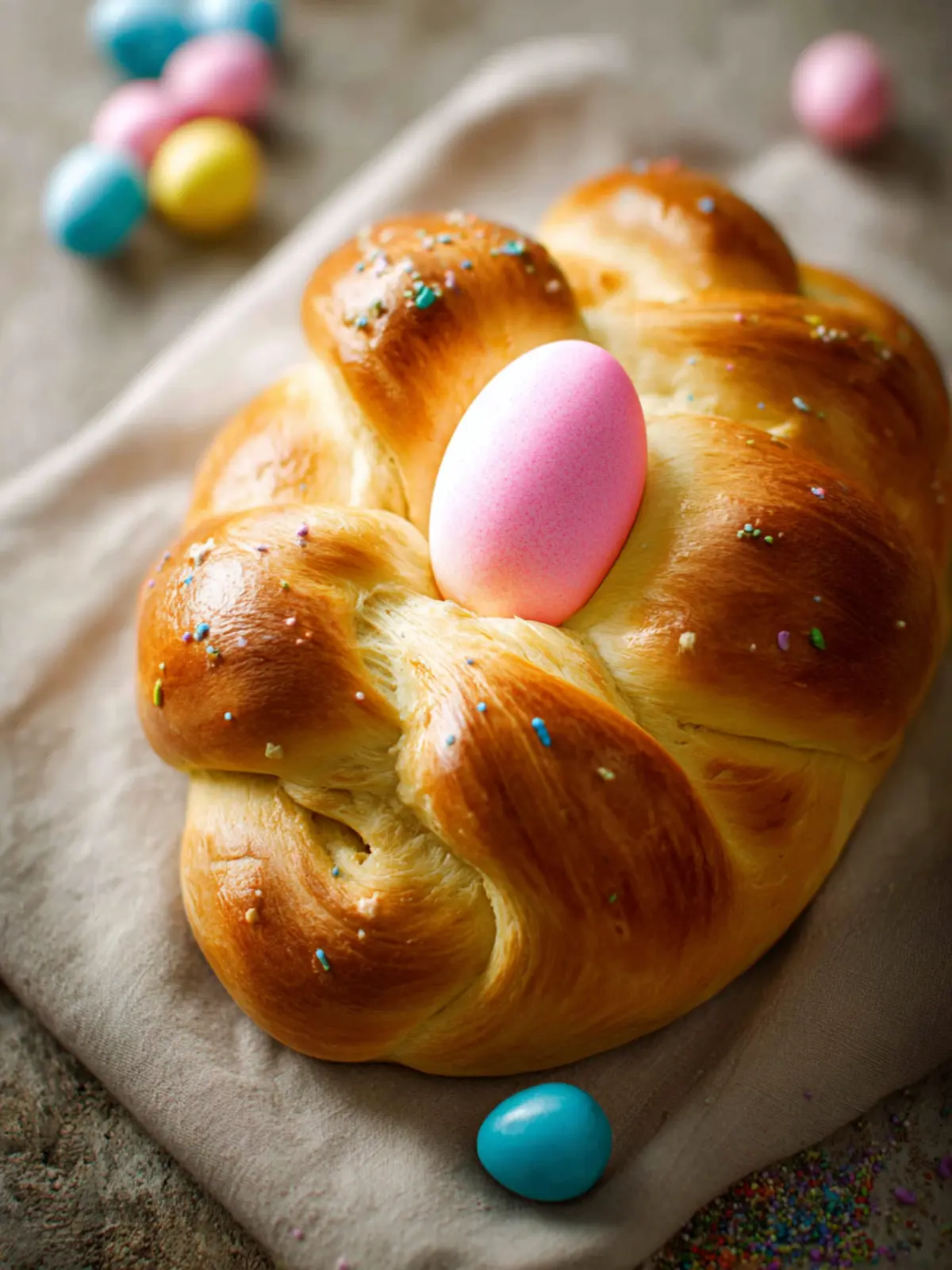
Nutritional Information for Easter Egg Bread
Easter Egg Bread is not only a delightful treat to enjoy during the holiday season but also offers valuable nutritional benefits. Let’s dive into the specifics of what makes this bread both delicious and satisfying.
Calories
A slice of Easter Egg Bread contains approximately 210 calories. This is a manageable amount that allows you to enjoy the sweet and rich flavors without feeling overly indulgent.
Protein
In terms of protein, each slice provides around 5 grams. While it may not be a large source of this macronutrient, these proteins can contribute to a balanced diet when accompanied by other nutritious foods.
Sodium
Lastly, the sodium content sits at about 150 mg per slice. This level is reasonable, making Easter Egg Bread a sweet option that won’t overload your sodium intake for the day.
When savoring a piece of this festive bread, you can feel good knowing it fits nicely within a balanced meal plan. Enjoy the flavors this Easter without the guilt!
FAQs about Easter Egg Bread
Easter Egg Bread brings joy not just through its delightful taste and nostalgic aroma, but also for the way it draws families together during the springtime festivities. If you’re considering making this beautiful bread, you might have a few questions. Let’s dive into some common inquiries and clear up any uncertainty!
Can I skip dyeing the eggs?
Absolutely! While traditional Easter Egg Bread features beautifully dyed eggs nestled in the dough, you can certainly skip this step. The eggs can remain plain, especially if you prefer a more rustic look or a simpler baking process. Just remember that skipping the dyeing doesn’t compromise the bread’s taste—its charm lies in its rich flavor and beautiful shape.
How should I store leftover Easter Egg Bread?
To keep your Easter Egg Bread fresh, store it in an airtight container at room temperature. If you anticipate having it for more than a few days, consider wrapping it in plastic wrap and placing it in the refrigerator. For longer storage, you can freeze the bread, ensuring it’s well-wrapped to prevent freezer burn.
Can I use different colors for the eggs?
Certainly! The beauty of Easter Egg Bread lies in its versatility. Whether you choose pastel colors or bold hues, feel free to experiment with natural dyes or food coloring. Different colors can add a playful touch to your bread, making it visually appealing at your Easter gathering.
How long does this bread last?
When stored properly, Easter Egg Bread can last about 3 to 5 days at room temperature. However, if refrigerated, it may last a week or sometimes longer. Just keep an eye (and nose) out for any signs of staleness or off-odors—nothing but the freshest for your family!
Conclusion on Easter Egg Bread
Easter Egg Bread holds a special place in the hearts and homes of many families, bringing together the joy of baking with the warmth of tradition. This delightful bread, with its vibrant colors and tender texture, not only adds beauty to your Easter table but also creates memories for years to come. As you gather your loved ones, cherish the moments spent shaping and decorating your Easter Egg Bread.
Remember, baking is not just about the end result but the process itself. Don’t hesitate to experiment with flavors or decorations, allowing your creativity to shine through. Embrace this timeless recipe, and may it become a cherished tradition in your home!
Print
Sweet Bread with Dyed Eggs
- Total Time: 2 hours 35 minutes
- Yield: 12 servings 1x
- Diet: Vegetarian
Description
Celebrate with this beautiful sweet bread that features colorful dyed eggs, perfect for special occasions.
Ingredients
- 1 1/2 cups warm whole milk
- 2 packages active dry yeast
- 4 large eggs (lightly beaten)
- 2/3 cup granulated sugar
- 2 teaspoons kosher salt
- 8 3/4 cups all purpose flour (divided)
- 1 cup unsalted butter (softened)
- 3 cups boiling water
- 1/2 teaspoon food coloring (blue and pink)
- 1 tablespoon distilled white vinegar
- 1 teaspoon whole milk
- 1 large egg (lightly beaten)
- 1 1/2 tablespoons sesame seeds (optional)
- mixer
- cookie sheet
- digital thermometer
Instructions
- In the bowl of a stand mixer fitted with a paddle attachment, combine warm milk and yeast. Let the mixture stand until it’s foamy, about 10 minutes.
- With the mixer at medium speed, beat in eggs, sugar, and salt into yeast mixture until combined. With mixer on low speed add 4 cups flour, beating until combined. Add butter, 1 tablespoon at a time, beating until combined. Transfer dough to a large bowl, and stir in 4 cups flour with a spatula or wooden spoon until combined.
- Transfer dough to a lightly floured surface, and knead until smooth and elastic, about 8 minutes. Add remaining 3/4 cup of flour as needed.
- Spray a large bowl with cooking spray. Place dough in bowl, turning to grease top. Loosely cover and let rise in a warm, draft free place until doubled in size, about an hour.
- While the dough is rising, prepare your dyed eggs. If making a large wreath, there is no need to hard boil your eggs. If making the individual twists, you will need to hard boil them first before dying.
- In a medium bowl, whisk together 3 cups boiling water and food coloring. Stir in vinegar. Gently lower eggs into water mixture until desired color is reached, about 1 minute. Let dry completely on a prepared rack and refrigerate until ready to use.
- Preheat oven to 350°F.
- Punch down the sweet bread dough. Cover and let stand for 5 minutes. On a lightly floured surface, turn out dough.
- For wreath: Line a baking sheet with parchment paper and spray with cooking spray. Divide dough into 3 equal pieces. Roll each piece into a rope about 26 inches long. Place strands vertically in front of you. Pinch 3 ends together at top. Braid ropes together until you’ve reached end of strands. Join two ends together forming a circle, pinching ends to seal.
- Transfer to a prepared pan. Gently tuck 5 dyed eggs between strands of dough. Cover and let stand in a warm draft free place until puffed, about 30 minutes.
- In a small bowl, whisk together milk and remaining egg. Brush dough with egg wash, avoiding eggs.
- Bake until golden brown and an instant read thermometer inserted in the center registers 190°F, 30 to 35 minutes.
- For individual twists: Line 2 baking sheets with parchment paper and spray with cooking spray.
- Divide dough into 8 equal pieces. Divide each piece in half. Roll each piece into a rope about 12 inches long. Place 2 strands vertically in front of you. Pinch ends together at top. Twist 2 pieces together until you’ve reached the ends of the strands. Join two ends together forming a circle, pinching ends to seal. Repeat with remaining dough.
- Place 1 dyed egg in center of each circle. Cover and let stand in a warm draft free place until puffed about 30 minutes.
- In a small bowl, whisk together milk and remaining egg. Brush dough with egg wash, avoiding eggs. Sprinkle with sesame seeds.
- Bake until golden brown and an instant-read thermometer inserted in the center registers 190°F, 20 to 25 minutes.
Notes
- This bread can be made ahead of time and frozen for later use.
- Use different food coloring to create a variety of colored eggs.
- Prep Time: 2 hours
- Cook Time: 35 minutes
- Category: Breads
- Method: Baking
- Cuisine: American
Nutrition
- Serving Size: 1 piece
- Calories: 300
- Sugar: 4g
- Sodium: 200mg
- Fat: 10g
- Saturated Fat: 6g
- Unsaturated Fat: 3g
- Trans Fat: 0g
- Carbohydrates: 45g
- Fiber: 1g
- Protein: 5g
- Cholesterol: 80mg
