

Introduction to Salt Bread Shio Pan
Imagine biting into a warm, fluffy piece of salt bread shio pan, where the delicate crust gives way to a soft, savory interior that seems to melt in your mouth. This beloved Japanese treat brings a unique combination of simplicity and depth, making it a cherished favorite among many. Originating from bakeries in Japan, the shio pan, or salt bread, is not just a snack; it’s a delightful culinary experience that encapsulates the beauty of minimalist flavors.
What makes Salt Bread Shio Pan so special?
What truly sets salt bread shio pan apart is its remarkable balance of flavors. Unlike sugary pastries that fill your senses with sweetness, this bread highlights the subtlety of salt, enhancing the overall taste and transforming ordinary ingredients into something extraordinary. It’s an example of how a few quality ingredients can create a comforting and sophisticated product.
-
Salt: Yes, it’s in the name for a reason! The judicious use of salt in this bread does more than season; it elevates. The salt not only enhances flavor but also contributes to the bread’s signature tender texture. Contrary to what you might think, the saltiness is gentle and serves as a delightful contrast to its airy crumb.
-
Bread Base: Made from simple bread ingredients, such as flour, water, and yeast, this base is essential for allowing the salt to shine. Ensuring the dough is well-kneaded will help you achieve that light, airy texture you’re aiming for.
-
A Touch of Butter: For that irresistible aroma and richness, incorporating butter into the dough helps create a lovely sheen on the crust. The buttery notes weave harmoniously with the bread, imparting a comforting flavor profile.
As you prepare to make your very own salt bread shio pan, you’ll find that each step, from mixing to kneading, is infused with an opportunity to savor the process. Cultivating this bread at home not only brings the aroma of freshly baked goods into your kitchen but also allows you to connect with a piece of culinary history. Enjoy the journey and anticipate the delightful taste that awaits!
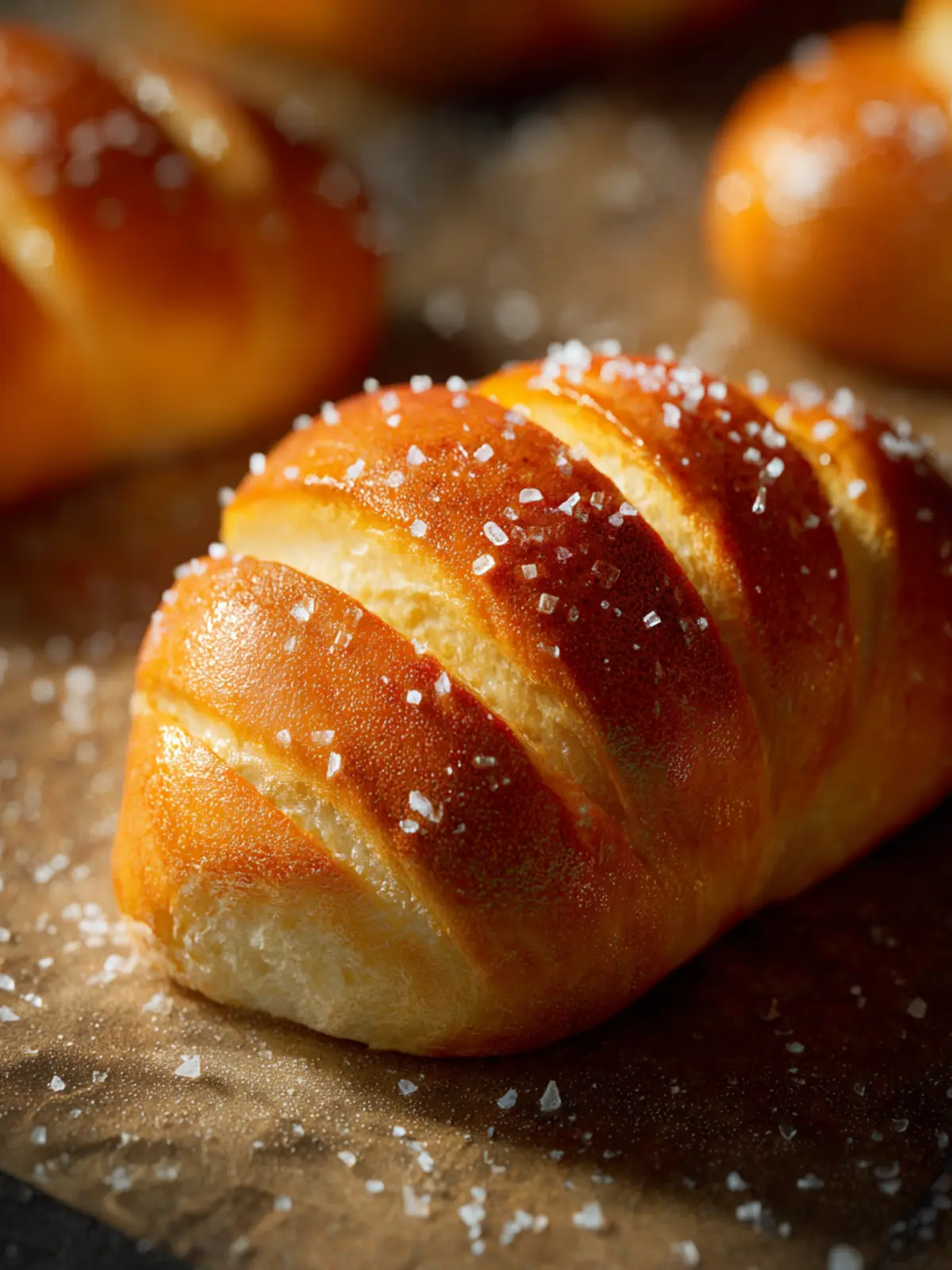
Key Ingredients for Salt Bread Shio Pan:
Flour: The foundation of your salt bread shio pan rests on high-quality bread flour. This particular flour has higher protein content, resulting in a chewy texture that’s essential for the bread’s structure. All-purpose flour will work in a pinch, but you might miss that delightful chewiness.
Salt: Naturally, salt is integral—not just for flavor, but as a critical ingredient that enhances the dough’s fermentation. A touch of flaky sea salt on top adds an irresistible crunch and visual appeal.
Yeast: Active dry yeast is your best friend here, providing that vital lift in your dough. Remember, using fresh yeast is key for achieving the perfect rise and light texture.
Water: Lukewarm water helps activate the yeast efficiently. It’s essential for hydrating the flour and ensuring the ingredients come together beautifully.
Butter: Incorporating butter into your dough adds a richness that complements the savoriness of the salt bread shio pan. It creates a luscious backdrop that makes each bite a treat.
With these ingredients, you’re well-equipped to create an unforgettable salt bread shio pan that’s both delicious and satisfying!
Why You’ll Love This Salt Bread Shio Pan
Allow me to introduce you to the delightful world of salt bread shio pan. This unique treat is not just a snack; it’s an experience worth savoring. Imagine biting into a soft and slightly sweet bun, with a hint of saltiness that elevates it to a whole new level. Sound enticing? That’s because this Japanese-inspired bread marries simplicity with satisfying flavor, making it a favorite among food enthusiasts.
The beautiful balance of flavors in salt bread shio pan makes it versatile. You can enjoy it on its own or pair it with a variety of toppings. Here are a few reasons you’ll find yourself reaching for this recipe time and again:
-
Versatile Enjoyment: Whether it’s a quick breakfast with some butter or an afternoon snack, salt bread shio pan fits perfectly into any part of your day.
-
Perfect Pairing: Its gentle saltiness works brilliantly with sweet jams or savory spreads. It’s truly the best of both worlds.
-
Feel-Good Baking: Baking your own bread fills your home with a warm, comforting aroma that’s hard to beat. There’s something wonderfully satisfying about watching the dough rise and transform in the oven.
In short, salt bread shio pan is more than just bread; it’s an experience that adds a unique touch to any meal or snack. Trust me, once you try it, you’ll be hooked!

Variations of Salt Bread Shio Pan
Creating your own salt bread shio pan opens a world of delicious possibilities. While the classic version features a soft, fluffy texture paired with that unmistakable salty topping, there’s no reason to stop there! Here are some variations that can elevate your shio pan experience.
Herb-Infused Variations
Adding fresh herbs, like rosemary or thyme, to the dough can provide a delightful twist. Simply chop the herbs finely and mix them into the dough before the first rise. The aromatic infusion adds not just flavor, but also visual appeal.
Cheese-Loaded Treat
For cheese lovers, incorporating shredded cheese into the dough or sprinkling it on top before baking can create a savory, melty delight. Cheddar, mozzarella, or even feta can enhance the overall taste and texture of your salt bread shio pan.
Sweet and Savory Blend
Why not experiment with sweet toppings? A drizzle of honey or a sprinkle of coarse sugar over the salt topping can create an exciting flavor contrast. The balance between savory and sweet makes for an intriguing combination that keeps everyone guessing.
Filled Options
Imagine biting into a warm shio pan only to discover a hidden filling! Whether it’s a flavorful red bean paste or a luscious chocolate ganache, stuffing your salt bread can make it even more enjoyable.
Each variation brings a unique twist to this classic bread, inviting you to explore and discover your favorite. So, are you ready to turn your salt bread shio pan into a culinary adventure?
Cooking Tips and Notes for Salt Bread Shio Pan
When crafting your own salt bread shio pan, each step can feel like a tiny adventure—a delightful journey into the world of baking. The key to achieving that soft, fluffy texture lies in understanding your ingredients and techniques.
Flour: The Foundation of Flavor
Using high-quality bread flour is essential for your salt bread shio pan to rise beautifully. Its higher protein content strengthens the dough, giving you that chewy texture we all love. If you can, opt for unbleached flour as it provides a more robust flavor.
Yeast: The Magic Ingredient
Fresh yeast works wonders, but if you only have active dry yeast, bloom it in warm water before adding it to your mix. This activated stage ensures that your dough will rise sky-high.
The Perfect Kneading Technique
Don’t rush the kneading process. Take your time to build the gluten structure—aim for about 10 minutes. Feel how the dough transitions from sticky to smooth. A well-kneaded dough is the secret to that airy texture.
Salt: Balance the Flavor
While it may seem counterintuitive, salt enhances sweetness and brings out flavors. Make sure to mix it thoroughly into the dough, as uneven distribution can lead to bland spots.
Shaping and Baking
Allow your shaped shio pan to rise until nearly doubled before baking. This creates those lovely air pockets. Preheat your oven for an extra boost; a hot oven is crucial for the best crust!
With these tips, your journey with salt bread shio pan will be as enjoyable as the delicious result!
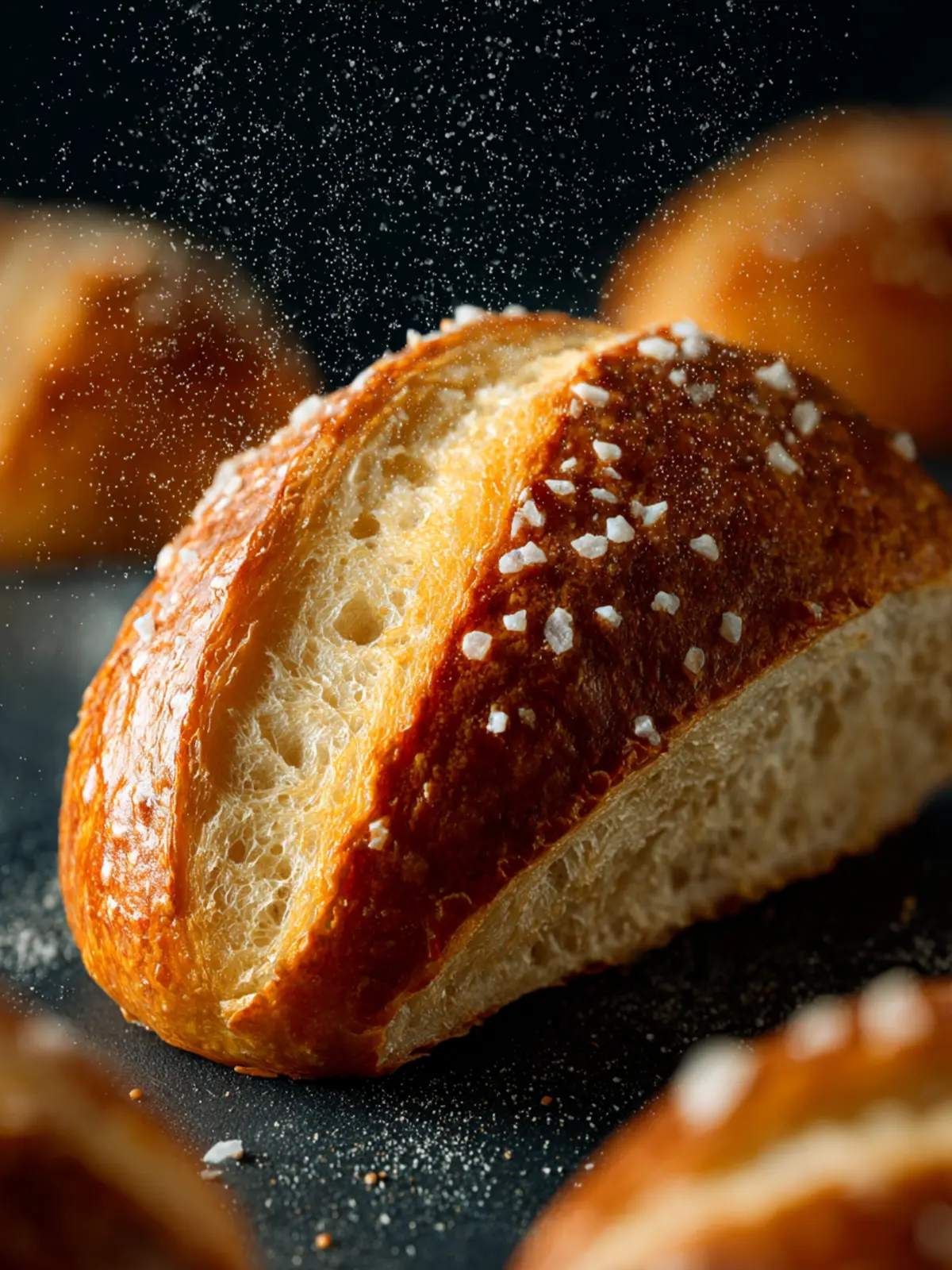
Serving Suggestions for Salt Bread Shio Pan
The allure of salt bread shio pan lies not just in its unique flavor but also in its versatility. Picture this: a crisp evening, a plate of warm shio pan set out, and friends gathered around. Here are some delightful serving suggestions that will elevate your salt bread shio pan experience.
-
With Butter: Simply slice the shio pan and slather it with a generous pat of butter. The rich creaminess complements the savory saltiness beautifully.
-
As a Sandwich Base: Use your salt bread shio pan as the canvas for delicious sandwiches. Pair it with smoked salmon, cream cheese, and capers for a brunch delight or turkey and avocado for a lunch treat.
-
Dipping Delight: Serve it alongside a bowl of hearty soup or stew. The bread’s texture makes it perfect for dipping, soaking up all those delicious flavors.
-
Snack Time: Cut it into bite-sized pieces and serve as a savory snack at parties. You might want to drizzle a bit of olive oil or balsamic vinegar for an added zing.
With these serving suggestions, your salt bread shio pan is sure to become a favorite at any gathering!
Time Breakdown for Salt Bread Shio Pan
When it comes to making your own Salt Bread Shio Pan, the joy is not just in enjoying the fluffy, crusty bread, but also in savoring the time spent crafting it. Let’s dive into how much time each step will take!
Preparation Time
Getting started on your salt bread shio pan takes approximately 30 minutes. This includes gathering all your ingredients and mixing them together to create a soft dough.
Rising Time
The best part? The dough needs about 1 hour to rise. During this stage, you’ll find the magic happens as it doubles in size, increasing its fluffy potential.
Baking Time
Once the dough has risen, it will take around 15-20 minutes to bake. You’ll want to keep an eye on it, ensuring it turns a beautiful golden brown.
Total Time
When you add it all up, the entire process will take about 1 hour and 50 minutes from start to finish. It’s well worth it for that warm, homemade goodness waiting for you!
Nutritional Facts for Salt Bread Shio Pan
When indulging in the delightful world of salt bread shio pan, it’s essential to know what you’re savoring. This fluffy, savory treat not only satisfies your cravings but also holds its own in nutritional value.
Calories
A single serving of salt bread shio pan typically clocks in around 200 calories. While it’s a satisfying snack, being mindful of portion sizes will help you manage your daily intake without sacrificing flavor.
Protein
One of the appealing aspects of this delectable bread is its protein content, which usually hovers around 6 grams per serving. This makes it a great choice for a quick energy boost, especially if you’re running errands or need a midday pick-me-up.
Sodium
Given its name, it’s no surprise that sodium is a key player here, averaging approximately 350 mg per serving. If you’re watching your sodium intake, consider enjoying salt bread shio pan in moderation alongside fresh vegetables or a light salad to balance the flavors.
FAQ about Salt Bread Shio Pan
Every bite of Salt Bread Shio Pan takes you on a delightful journey into the world of Japanese bakery magic. If you have questions while diving into this deliciously soft and savory bread recipe, you’re not alone! This FAQ section will help enhance your baking experience.
Can I use different types of flour for Salt Bread Shio Pan?
Absolutely! While the classic recipe shines with all-purpose flour, you can experiment with a variety of flours. Whole wheat flour adds a nuttier flavor and more fiber, enhancing the bread’s texture. If you’re gluten-sensitive, a 1:1 gluten-free flour blend works too. Just keep an eye on the dough consistency; you might need to adjust the liquid slightly to achieve that perfect soft dough.
What should I do if my dough doesn’t rise?
A non-rising dough can be discouraging, but don’t fret! This could be due to a few factors:
- Yeast: Ensure your yeast is fresh. Expired yeast will not activate.
- Temperature: Dough thrives in a warm environment. If your kitchen is chilly, try placing the dough in a turned-off oven with the light on, or near a warm stovetop.
- Kneading: Make sure you’ve kneaded the dough sufficiently. Gluten development is key for that fluffy bread texture.
How do I store leftover Salt Bread Shio Pan?
If you find yourself with leftover Salt Bread Shio Pan (which might be rare!), it’s crucial to store it properly. Let the bread cool completely, then wrap it tightly in plastic wrap or foil to maintain its soft texture. Store it at room temperature for up to two days. If you’d like to keep it for a longer period, slice it and freeze the pieces. To enjoy, just toast or microwave for a soft, warm treat!
Conclusion on Salt Bread Shio Pan
The salt bread shio pan embodies a delightful culinary experience, merging simplicity with flavor. This soft, fluffy bread is not just a quick snack; it can elevate your breakfast or coffee break into something memorable. The touch of flaky sea salt enhances each bite, offering a savory contrast to the pillowy texture that creates a sense of comfort.
As you indulge in your homemade salt bread shio pan, consider how sharing this recipe with friends or family can spark joy and togetherness. Embrace the art of baking, and let these little breads bring a smile to everyone’s face. Happy baking!
Print
Salt Bread
- Total Time: 2 hours 30 minutes
- Yield: 6 servings 1x
- Diet: Vegetarian
Description
Delicious homemade salt bread perfect for any occasion.
Ingredients
- 170 g bread flour (12 % protein)
- 55 g cake flour (10% protein)
- 3 g instant dry yeast
- 14 g sugar
- 4 g salt
- 16 g unsalted butter or refined coconut oil (room temperature)
- 14 g skim milk powder
- 158–166 ml water
- 138 g bread flour (12 % protein)
- 94 g cake flour (10% protein)
- 4 g salt
- 3 g instant dry yeast
- 16 g sugar
- 12 g skim milk powder
- 16 g unsalted butter or refined coconut oil (room temperature)
- 28 g whole beaten egg
- 145 ml water
- 6 butter blocks (10–14 grams each)
- guerande salt, pretzel salt, rock salt or fancy salt (for topping)
Instructions
- Add bread flour, cake flour, and water. Mix on low (speed 2-3) for 3 minutes until a rough dough forms. Cover and rest 15 minutes (autolyse).
- Add milk powder, sugar, salt, yeast, and egg (if making egg-based dough). Mix on low for 5 minutes.
- Add butter or coconut oil. Mix on low for 2 minutes, then medium (speed 3-4) for 2-3 minutes until smooth. Cover and rest 15-25 minutes.
- Mix again on medium (speed 4) for 2-3 minutes until dough no longer sticks to bowl sides. Shape into a ball and place in a bowl.
- Cup your hands around the dough and gently pull it toward you to create surface tension, rotating as you go, until the dough forms a smooth, tight ball. Place the dough into a bowl and cover.
- Let dough rise for 80-100 minutes at 28-30°C (82-86°F), or until doubled in size. Ideal dough temperature is approximately 25°C (77°F).
- Use 10-14 g butter per piece of dough. Cut butter into about 2 cm x 4 cm for round salt bread and 1 cm x 6 cm for long or crescent shaped salt bread. Keep in freezer after preparing.
- Lightly dust the surface of the dough. Use a flexible bench scraper to remove the dough. Punch dough down and transfer to work surface. Lightly dust the dough again.
- Like cutting a pizza, divide into 6 triangular pieces (approximately 70 g each). Cut off small bits to make them even and place the scraps in the middle of the triangle.
- For each piece, pinch opposite ends together to form a thin icicle shape. Roll gently to elongate slightly to about 15 cm if needed. Place seam side down. Cover and rest 15 minutes.
- Take the first piece rough side up. If the dough is sticky, very lightly dust with flour. Flatten it gently with the base of your hands. Roll the dough into a long icicle shape, rolling firmly to remove built up gas. Press out any air bubbles along the edges with the base of your palm.
- Start at about 1/3 of the way down, holding the base and rolling upwards. Then from the same spot, lift the tail and roll downwards until desired length. For round, thicker rolls: shorter base (4-5 cm), 40-50 cm length. For longer crescent shapes: longer base (10-12 cm), 25-35 cm length.
- Place a butter block at the base of the dough and fold the top edge over it, rolling down. The roll should be snug but not too tight or loose. Every so often, lift the roll slightly and pull back gently to create light tension.
- Press the very end tip into the dough gently. Place dough onto a dark coloured baking tray, tail side down. Keep covered and repeat with remaining dough.
- Let dough rise for 55-65 minutes at 30-33°C (86-91°F) or until doubled in size and looks airy and puffy. To test, poke gently. It should spring back slowly, leaving a faint indent. When moving the pan it should jiggle.
- Preheat the oven 20-30 minutes before you expect the proof to finish to the highest temperature (232°C/450°F).
- Remove the cover and lightly spray with water and sprinkle with salt from one edge to the other.
- Spray dough 10 times right before baking. Avoid over spraying as it can make the crust tough.
- Once salt bread is in the oven, quickly spray 15 times into the walls of the oven and close the door immediately. Bake for 3 minutes.
- For convection oven: Reduce heat to 190-200°C (374-392°F) and bake for 12 minutes or until deeply golden on both sides. For conventional oven: Reduce heat to 200-210°C (392-400°F) and bake for 12 minutes.
- Rotate the baking pan during the last 5-6 minutes of baking for even browning. Keep an eye on them, especially the last 5 minutes and adjust oven temperature as needed.
- Remove from oven and brush the leaked butter on tops of the salt bread. Serve fresh and enjoy!
Notes
- Use butter blocks about 10-14 grams each for optimal results.
- Ideal conditions for rising dough include warm temperatures around 28-30°C (82-86°F).
- Experiment with your choice of topping salts for different flavor profiles.
- Prep Time: 20 minutes
- Cook Time: 12 minutes
- Category: Bread
- Method: Baking
- Cuisine: French
Nutrition
- Serving Size: 1 roll
- Calories: 180
- Sugar: 1 g
- Sodium: 250 mg
- Fat: 8 g
- Saturated Fat: 5 g
- Unsaturated Fat: 3 g
- Trans Fat: 0 g
- Carbohydrates: 24 g
- Fiber: 1 g
- Protein: 4 g
- Cholesterol: 15 mg
